After being ruled by foreign powers for centuries, 73 years after independence appear to be not very long. But in such a relatively short time, we have walked with strides by being loyal to our own constitution


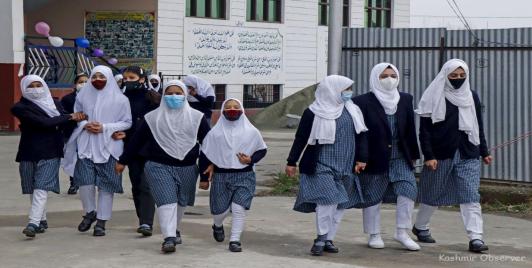
If dummy admissions, prolonged school absenteeism, and an unregulated coaching culture continue unchecked, we may end up producing students who have spent enormous amounts of time and money on education without actually receiving the education they need.
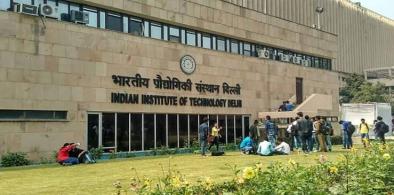
If South Asian governments urgently review and reform their education systems, the region can all benefit within 15 years from our demographic dividend and unleash the region's immense knowledge and growth potential within a generation.New education systems must be interactive and inter-operative to allow free movement of professionals, capital and labour around the region
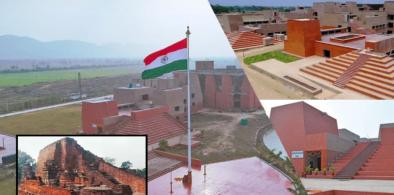
Nalanda serves as a counterweight to the historic monopoly of Western universities over social, political, and ecological theory. It invites Asian and African scholars to address regional dilemmas such as resource sovereignty, post-colonial statehood, and sustainable modernization using indigenous analytical categories.

The daughters and granddaughters of these warlords, like those of several key Taliban commanders, live and study abroad. Sabori’s school in Archi is half-closed, owing to the ban on education for girls over 12 years of age. Several underground schools have sprung up where even some Taliban foot-soldiers send their daughters.
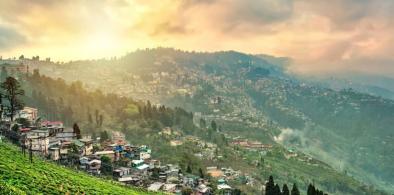
After being ruled by foreign powers for centuries, 73 years after independence appear to be not very long. But in such a relatively short time, we have walked with strides by being loyal to our own constitution

Happiness is not a matter of chance

I was born in Lucknow, Uttar Pradesh, three years after independence and so smelled the early fragrance of independent India
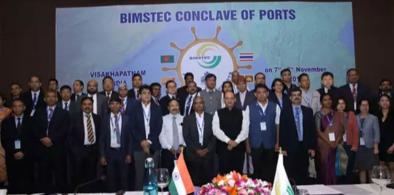
After World War II, the world observed an increase in regional organisations with an objective to strengthen cooperation in shared areas
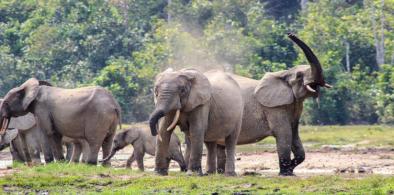
“Elephants, because of their size, appetite, and migratory habits, disperse more seeds of more species further than any other animal
In recent years, India has received considerable attention not only in the political and cultural world, but also in the financial world
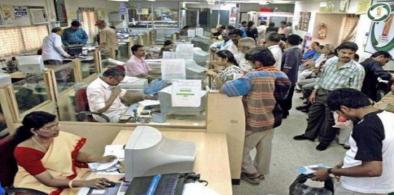
It is reported that bank employees’ unions and the Indian Banks’ Association (IBA) have agreed for an annual wage hike of 15 percent to the bank staff, a move that will result in an additional yearly outgo of around Rs 7,900 crore for the banks
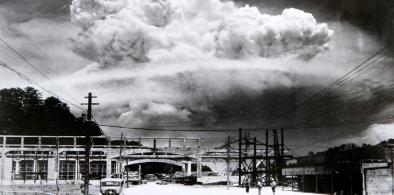
O, Hiroshima, O Nagasaki
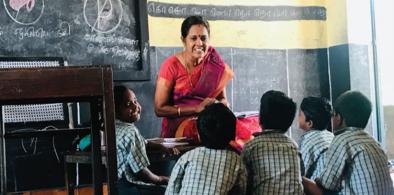
After nearly 34 years, the Government of India has come up with a new education policy, which aims to upgrade the school education system and higher education system as per the present need and to compete with the world-class education system

We never need read the Scriptures
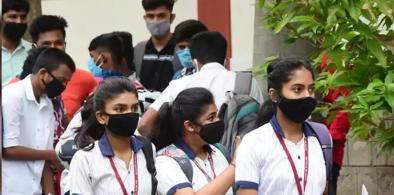
India's new National Education Policy (NEP) unveiled by the government is seen as the most ambitious reforms initiated in recent times

The rising fundamentalism around the world in its fair share can be witnessed in India as well, where intellectuals, activists, and dissenters of the government are seen to be systematically targeted
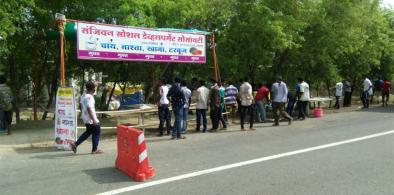
After COVID-19 pandemic hit India and followed by the strict lockdown, thousands of migrant workers began the arduous journey back to their villages hundreds of kilometers away, most of them on foot, along with their families, including young children

It's all about ego and military might
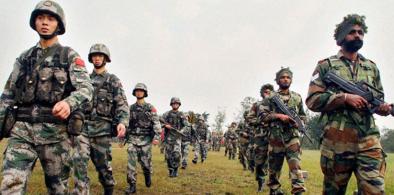
The Galwan Valley clash between India and China, which started on June 15 June, 2020, was a result of building tensions between the border forces of the two nations since May 5 along the Line of Actual Control (LAC) that crosses through the valley in Ladakh