Speaking in a meeting on August 28, 2020, India’s External Affairs Minister S. Jaishankar had said that “realism should shape India’s China policy.”


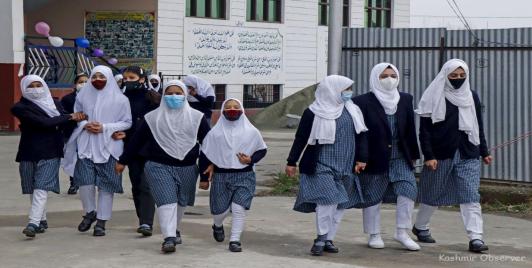
If dummy admissions, prolonged school absenteeism, and an unregulated coaching culture continue unchecked, we may end up producing students who have spent enormous amounts of time and money on education without actually receiving the education they need.
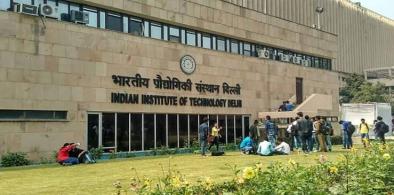
If South Asian governments urgently review and reform their education systems, the region can all benefit within 15 years from our demographic dividend and unleash the region's immense knowledge and growth potential within a generation.New education systems must be interactive and inter-operative to allow free movement of professionals, capital and labour around the region
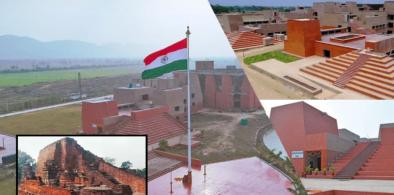
Nalanda serves as a counterweight to the historic monopoly of Western universities over social, political, and ecological theory. It invites Asian and African scholars to address regional dilemmas such as resource sovereignty, post-colonial statehood, and sustainable modernization using indigenous analytical categories.
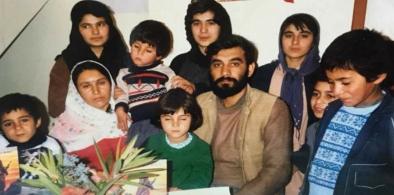
The daughters and granddaughters of these warlords, like those of several key Taliban commanders, live and study abroad. Sabori’s school in Archi is half-closed, owing to the ban on education for girls over 12 years of age. Several underground schools have sprung up where even some Taliban foot-soldiers send their daughters.
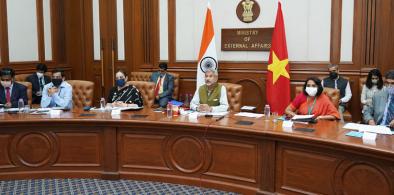
Speaking in a meeting on August 28, 2020, India’s External Affairs Minister S. Jaishankar had said that “realism should shape India’s China policy.”
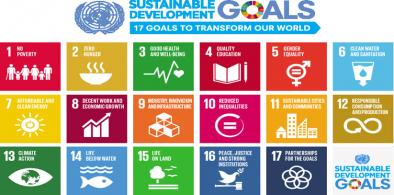
‘Ensure sustainable consumption and production (SCP) patterns’ – is Sustainable Development Goal 12

There was electricity all around
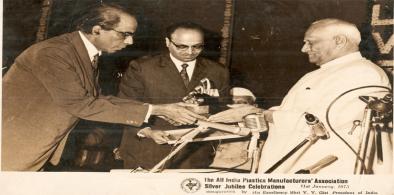
I was nervously waiting outside Prof N.R Kamath’s room in IIT Bombay’s Chemical Engineering Department

Bold headlines, “ Anderson Claims 600th Test Scalps”, made me sit up. Why, may you well ask? Well, I have ten years of experience of having played Ranji Trophy cricket matches in India as an opening bowler, representing the Services in the North Zone, which comprised teams from the Jammu & Kashmir, Haryana, Punjab and Delhi
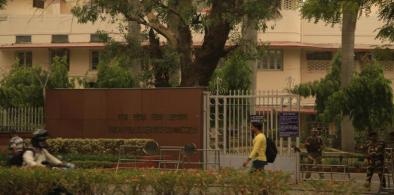
The Indian Institutes of Technology (IITs) were started with much fanfare and great expectations in the 1950s

See the carafe its wares pour with a bow

The world is changing at a fast pace. The term - the world is a global village - has become a common phenomenon
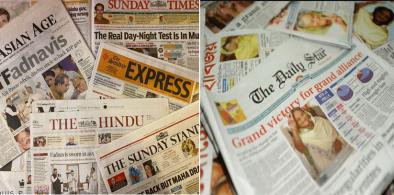
Indian Foreign Secretary Harsh Vardhan Shringla came to Dhaka last week on a brief visit to Bangladesh aimed at boosting ties between the two neighbouring countries

Technology’s making the world shrink

There is no ocean of abundance

Emanating from curiosity, quest, or doubt, questioning had always been a part of our rich ancient intellectual, theological and philosophical traditions

“When asked to bend some chose to crawl”

When the then Indian railway minister Laloo Prasad Yadav introduced kulhads, or traditional earthen cups, as a substitute to phase out the nonbiodegradable plastic cups, some environmentalists were quick to point out that given the scale of demand, production of disposable kulhads would lead to consumption of the fertile topsoil, taking over a decade to fully decompose and replenish the soil
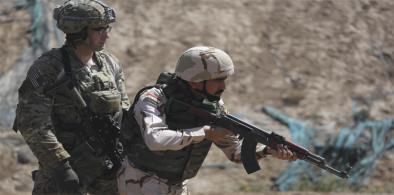
It has been revealed in the media that ISIS leaders have gone online due to COVID-19 and has published a new cybersecurity magazine to teach tactics, without coming into the radar of the intelligence agencies, on how to carry out their activities