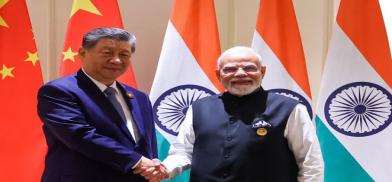







China's Strategy of Persistent Tension: Advancing Without Crossing the Threshold of War
Arunachal Pradesh presents a particularly important dimension of the problem. China claims the northeast Indian state, refers to it as Zangnan, or South Tibet, and periodically challenges India's sovereignty through statements and the assignment of Chinese names to places within the state.

India and Japan’s Next Security Challenge Is Strategic Endurance
India and Japan should conduct regular stress tests involving scenarios such as disruption to an energy route, a cyberattack on logistics infrastructure, loss of an undersea cable or the unavailability of a specialized defense component.

Sri Lanka's Influential Buddhist Clergy Throws a Religious Challenge to Government
Sri Lanka’s Constitution gives Buddhism a special position under Article 9 while also protecting freedom of religion under Article 10 and related constitutional provisions. The government therefore has responsibilities both to protect Buddhist traditions and to ensure that the law is applied fairly across religious communities.

Amid Changing Geopolitics and Internal Turmoil, South Asia may Paradoxically get more European Attention
Some observers wrongly assume Europe's current crises will lead to a retreat from Asia. The opposite may occur. The EU's internal turmoil is accelerating a fundamental redefinition of its external priorities. South Asia is becoming increasingly important