New Delhi, which has historically had close diplomatic and strategic ties with Moscow, is forging an independent path open to the West giving it room to be a conduit between the two countries for peace diplomacy.


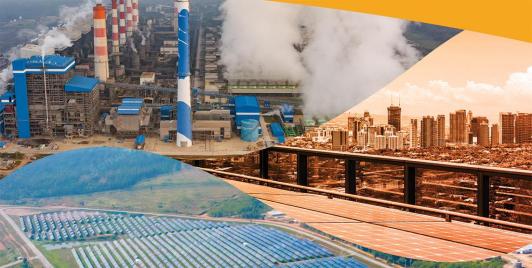
The larger economic choice for South Asia is therefore broader than whether to participate in carbon trading. The region can remain primarily a supplier of relatively inexpensive mitigation outcomes, or it can also develop the technology, professional capacity, financial products and verification systems that determine what those outcomes are worth.
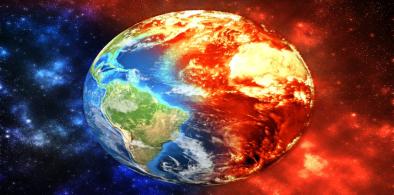
On top of that is our own unsustainable living that is creating large-scale havoc on the planet. They include construction of large dams, roads, and tunnels in the fragile Himalayan region. These activities together with the melting of glaciers due to global warming are bound to create worse natural disasters in the coming years.
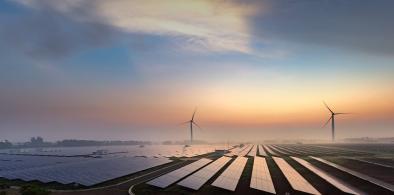
The regional opportunity is particularly significant in electricity. Nepal and Bhutan can potentially export hydropower; India can provide the scale of demand and investment required to create a regional electricity market; Bangladesh can become an important electricity consumer; and Sri Lanka and Pakistan can expand solar and wind. Greater cross-border electricity trade could allow countries to exploit complementary renewable resources and reduce the need for expensive domestic backup capacity.
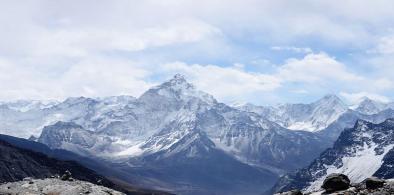
A genuinely regional approach could eventually include - besides Nepal, China and India - Bhutan and, where relevant, downstream institutions in Bangladesh. Organisations with established Himalayan expertise, particularly the International Centre for Integrated Mountain Development in Kathmandu, could offer scientific and institutional support.

New Delhi, which has historically had close diplomatic and strategic ties with Moscow, is forging an independent path open to the West giving it room to be a conduit between the two countries for peace diplomacy.

The Cold War had some rules, but today “we are in a purgatory of polarity” where the world has not reached a state of multi-polarity and “more and more countries are filling the spaces of geopolitical divides, doing whatever they want with no accountability”’

India and several countries have been pushing for the adoption of the negotiating text and the the US adding its weight gives it added impetus.
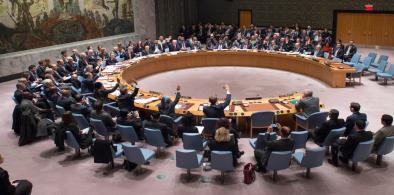
“It is now time to move forward with the establishment” of the memorial honouring the more than 4,000 UN Peacekeepers who have made the supreme sacrifice”, he said, noting that 182 Indian peacekeepers have died “upholding the cause of international peace and security”.
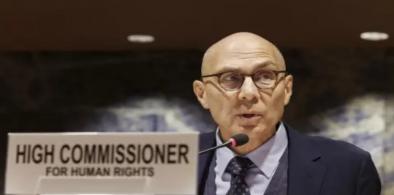
The report said that “according to available public reports by media and the protest movement itself, between July 16 and August 11, more than 600 people were killed. Of these, nearly 400 deaths were reported from July 16 to August 4, while around 250 people were reportedly killed following the new wave of protests between August 5 and 6 August”.
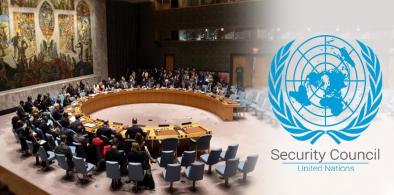
Munir Akram, the permanent representative of Pakistan which is also a member of UfC, opposed expanding permanent membership but said that Africa can be considered a special case and be given long-term seats in the Council
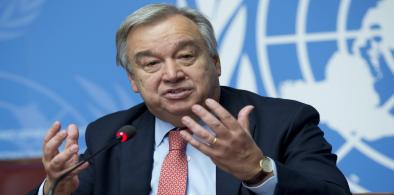
According to Rana Dasgupta, a leader of the minorities organisation Hindu-Bouddha-Christian Oikya Parishad, about 100 Hindus have been injured and two killed. Anti-Hindu violence took place at 97 places last week, and at least 10 temples were attacked, according to him.
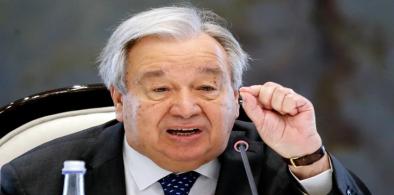
While China has been providing an umbrella from sanctions for some Pakistan-based terrorists like Lashkar-e-Tayiba leader Sajid Mir, its Permanent Representative Geng Shuang spoke out at the meeting against double standards.
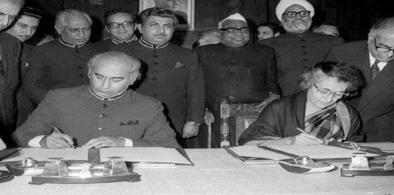
Although Pakistanis and their supporters cite the Security Council resolution asking for a plebiscite to be held in Kashmir, they ignore the Council’s demand that Pakistan and Pakistani nationals completely withdraw from the occupied areas.
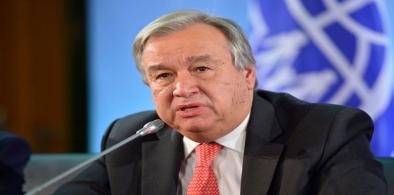
“All countries must deliver by next year nationally determined contributions – or national climate action plans – aligned to limiting global temperature rise to 1.5 degrees Celsius”, he said

Bracketing China with India, Lavrov attacked the West’s criticism of these “Asian giants”. He said, “A multipolar world is a reality. It's not just a made-up of fiction”.
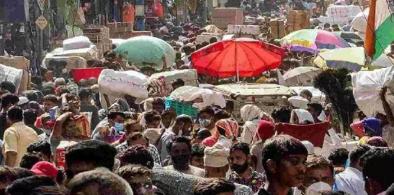
According to the data accompanying the report, India’s population is projected to grow from the 1.45 billion now to a peak of 1.7 billion in 2064 when the decline begins and register 1.5 billion in 2100, a 12 per cent drop.
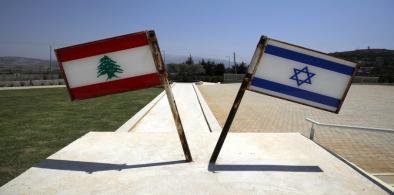
The Indian peacekeepers are a part of the 10,000-strong 49-nation UN Interim Force in Lebanon (UNIFIL) charged by the Security Council to work with Lebanese national forces to keep order in the volatile section known as the Blue Line that separates Lebanon and Israel.
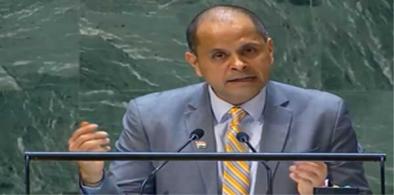
While India does directly take on Pakistan by naming it by exercising its formal right of reply on major issues, New Delhi does not name it on other occasions like on Tuesday to deprive Islamabad of an opportunity to prolong the issue, which is ignored by almost all the other 192 members of the UN, but at the same time making a clear rebuttal.

It is high time to bring the Council in line with its Charter responsibility to act on behalf of the entire Membership”, but “this will not be achieved without enhancing the membership in both the categories” permanent and non-permanent, he emphasised.