The Pakistani representative also introduced a strange element into the discussion, attacking the Council’s designation of international terrorists, claiming that the Council’s actions against terrorists are “arbitrary”.


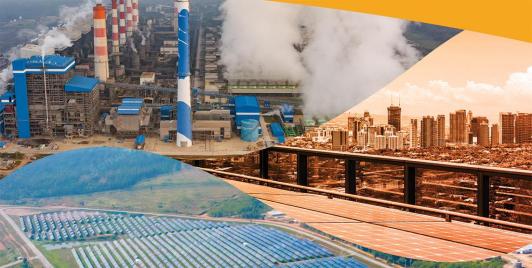
The larger economic choice for South Asia is therefore broader than whether to participate in carbon trading. The region can remain primarily a supplier of relatively inexpensive mitigation outcomes, or it can also develop the technology, professional capacity, financial products and verification systems that determine what those outcomes are worth.
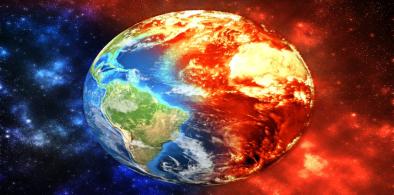
On top of that is our own unsustainable living that is creating large-scale havoc on the planet. They include construction of large dams, roads, and tunnels in the fragile Himalayan region. These activities together with the melting of glaciers due to global warming are bound to create worse natural disasters in the coming years.

The regional opportunity is particularly significant in electricity. Nepal and Bhutan can potentially export hydropower; India can provide the scale of demand and investment required to create a regional electricity market; Bangladesh can become an important electricity consumer; and Sri Lanka and Pakistan can expand solar and wind. Greater cross-border electricity trade could allow countries to exploit complementary renewable resources and reduce the need for expensive domestic backup capacity.
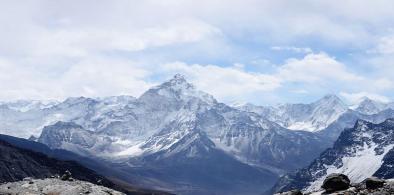
A genuinely regional approach could eventually include - besides Nepal, China and India - Bhutan and, where relevant, downstream institutions in Bangladesh. Organisations with established Himalayan expertise, particularly the International Centre for Integrated Mountain Development in Kathmandu, could offer scientific and institutional support.
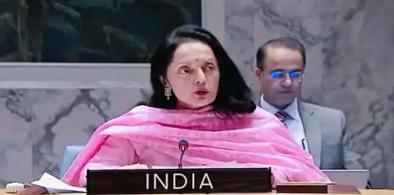
The Pakistani representative also introduced a strange element into the discussion, attacking the Council’s designation of international terrorists, claiming that the Council’s actions against terrorists are “arbitrary”.
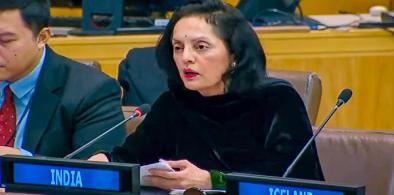
China has repeatedly blocked the listing of Pakistan-linked terrorists as international terrorists subject to UN sanctions.
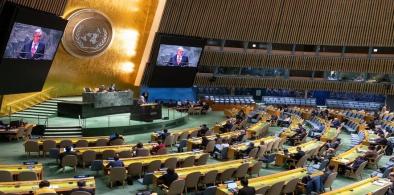
Mechanisms that were used to manage superpower relations during the Cold War are missing now, “and so our world is entering an age of chaos” creating “a dangerous and unpredictable ‘free-for-all’ with total impunity”, Guterres warned.
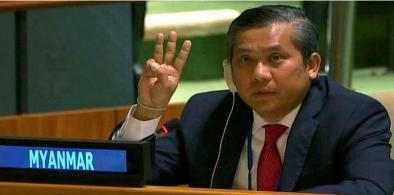
Although Myanmar is now effectively ruled by the military known as the Tatmadaw, the UN recognises only the representative of the overthrown democratically-elected government.
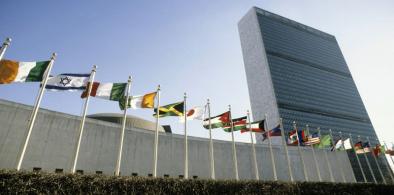
Thus, India’s assessment is only 1.044 per cent of the UN’s budget of $3.465 billion despite it being the world’s fifth largest economy. Thus, India’s share is less than that of even some developing countries like Brazil and Mexico.
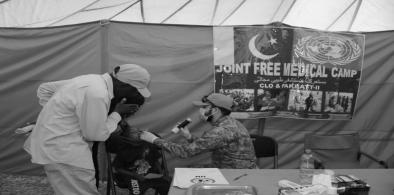
Of UNISFA’s 2,587 troops, 571 peacekeepers were from Pakistan. So far, 169 Pakistani peacekeepers have been killed while serving in UN operations, according to the UN.
“Prolonged disruptions in major trade routes would disrupt global supply chains, leading to delayed deliveries of goods, increased costs and potential inflation”, he said.
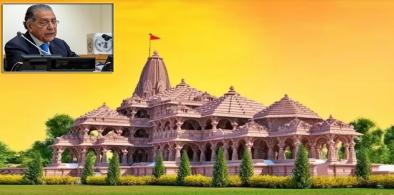
A press release from Pakistan’s UN Mission on Wednesday said that Akram raised the Ram Mandir during a meeting of the ambassadors of the Organisation of Islamic Cooperation (OIC) and the group agreed to include it in the agenda for the next meeting.
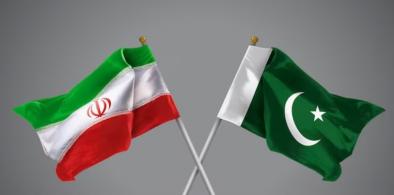
Iran and Pakistan carried out attacks inside each other’s territories against what they said were terrorist bases
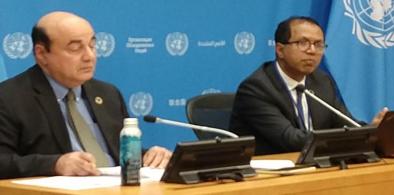
Pakistan and Sri Lanka are pulling down South Asia’s overall performance.
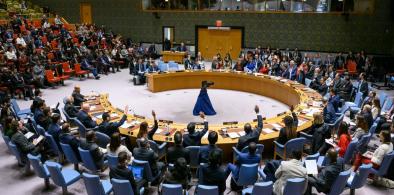
Friday’s resolution was the sixth to come before the Council since the Hamas terror strike on Israel that killed about 1,200 people and took about 240 people hostage on October 7, and Israel's retaliation that has resulted in about 20,000 deaths, mostly of civilians in Gaza.
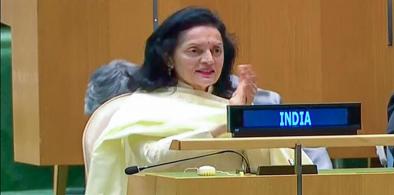
Kamboj made it a point to reiterate that all of Kashmir, including those under occupation by Pakistan, is a part of India by describing India “as a contiguous neighbour to Afghanistan”.
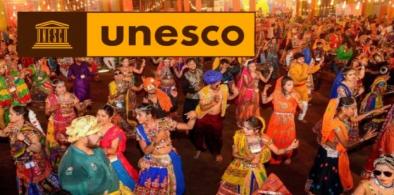
“Over the decades Garba has been an integral, multivalent component of Gujarati culture in India and among the Indian diaspora across the globe”, it said.
Mission LIFE adds “a synergy of individual choices and global collaboration” as “an important force in addressing environmental challenges”, the senior UN official said.
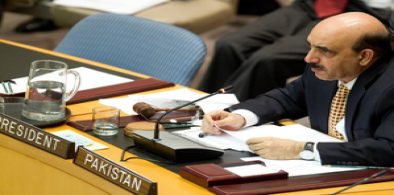
If elected, Pakistan, which has used every opportunity at the UN to bring up Kashmir even on unrelated discussions, can be expected to keep harping on it on a platform that will give it more visibility.