India has denounced the double standards of the western nations that now preach transitional justice in post-conflict situations but do not deal similarly with the historical injustices of colonialism from which they benefited.



The larger economic choice for South Asia is therefore broader than whether to participate in carbon trading. The region can remain primarily a supplier of relatively inexpensive mitigation outcomes, or it can also develop the technology, professional capacity, financial products and verification systems that determine what those outcomes are worth.

On top of that is our own unsustainable living that is creating large-scale havoc on the planet. They include construction of large dams, roads, and tunnels in the fragile Himalayan region. These activities together with the melting of glaciers due to global warming are bound to create worse natural disasters in the coming years.

The regional opportunity is particularly significant in electricity. Nepal and Bhutan can potentially export hydropower; India can provide the scale of demand and investment required to create a regional electricity market; Bangladesh can become an important electricity consumer; and Sri Lanka and Pakistan can expand solar and wind. Greater cross-border electricity trade could allow countries to exploit complementary renewable resources and reduce the need for expensive domestic backup capacity.

A genuinely regional approach could eventually include - besides Nepal, China and India - Bhutan and, where relevant, downstream institutions in Bangladesh. Organisations with established Himalayan expertise, particularly the International Centre for Integrated Mountain Development in Kathmandu, could offer scientific and institutional support.
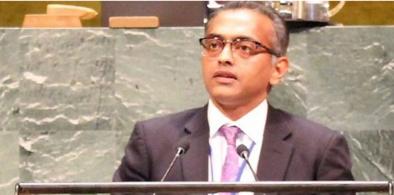
India has denounced the double standards of the western nations that now preach transitional justice in post-conflict situations but do not deal similarly with the historical injustices of colonialism from which they benefited.
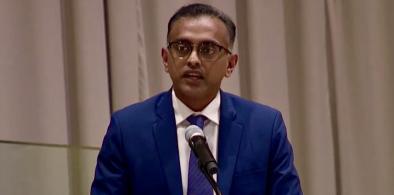
India has called upon Pakistan to take steps to restore normal ties through diplomacy instead of “spewing venom and false narratives” which have been rejected by the international community. India's Deputy Permanent Representative Nagaraj Naidu, said on Wednesday that Pakistan “should get down to the normal business of diplomacy” and take “steps to restore normal ties.”