The Afghan and Ukraine crises have worsened the situation. But the world must remember that Rohingyas are also refugees, writes Parvej Siddique Bhuiyan for South Asia Monitor


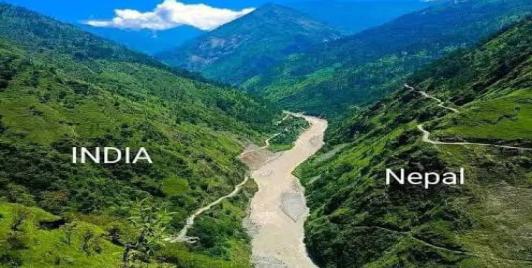
Supported by the Transboundary Rivers of South Asia Programme (TROSA), this led to formation of grassroots networks, including the India-Nepal Joint Action Forum (INJAF) through which civil society organisations and local communities could raise common riverine concerns with officials in their respective countries. Many women in the community participate in these programs, leading to development of women’s empowerment centres (Mahila Mandals).
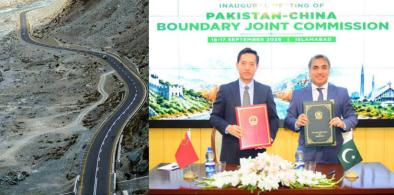
The Pakistan-China Boundary Joint Commission needs to be viewed in backdrop of the fast-changing geopolitics of South Asia and its military implications. The Shaksgam Valley sits immediately north of the Siachen Glacier and just west of Aksai Chin under China's control. By controlling Shaksgam, China can jointly monitor Indian military movements from the north while Pakistan does so from the south.

The question, therefore, is not whether Bangladesh could have secured a particular agreement simply by attending. There is no guarantee that participation in a summit automatically produces investment or diplomatic breakthroughs. The question is whether Bangladesh benefited by being absent.
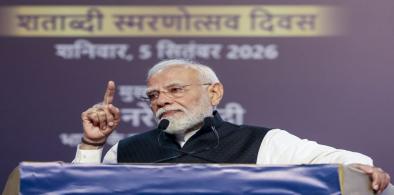
For China to achieve its hegemonic ambitions in Asia, weakening democracies is essential. India, therefore, stands as an iron wall against illiberal encroachments, positioning itself as both a regional hegemon and a defender of democratic order.
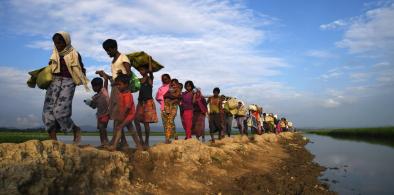
The Afghan and Ukraine crises have worsened the situation. But the world must remember that Rohingyas are also refugees, writes Parvej Siddique Bhuiyan for South Asia Monitor
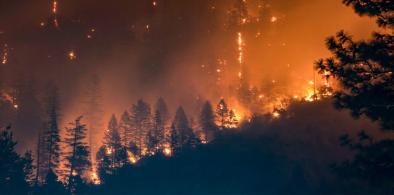
South Asia alone produces around 300 million tonnes of solid waste annually and 70–80 percent of these ends up in water bodies or in oceans, write George Cheriyan and Simi T.B. for South Asia Monitor
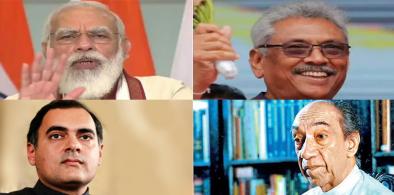
Sri Lanka should also remember the adage ‘there are no free lunches’ and bilateral relations will depend on a give-and-take policy, writes Suggeeswara Senadhira for South Asia Monitor
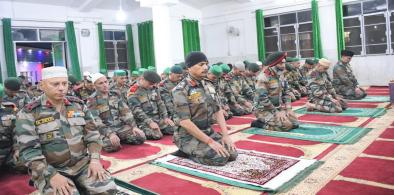
As officers in the armed forces, their religion is that of their soldiers, sailors and airmen and all religious festivals of India are attended and taken part by all officers and families, writes Col Anil Bhat (retd) for South Asia Monitor
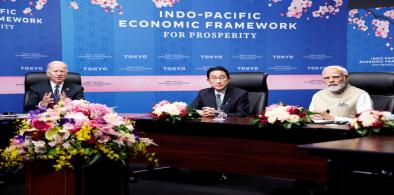
The US has now become important for India’s energy security as is the United Arab Emirates, Saudi Arabia and Iraq, writes N. Chandra Mohan for South Asia Monitor
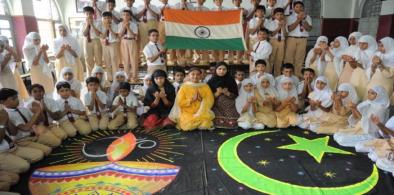
The 1991 act was aimed at focussing social energies on building the future while preserving the integrative aspects of Indian syncretism, what Jawaharlal Nehru underlined as "Ganga-Jamuna tehjeeb", writes Dr Ram Puniyani for South Asia Monitor
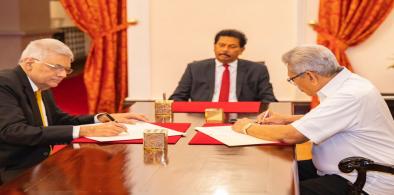
His traditional urban backers grudgingly accept Prime Minister Ranil Wickremesinghe’s confession that they have to bear more for a few weeks more before pressing the recovery button. The same cannot be said of the rural poor, writes N. Sathiya Moorthy for South Asia Monitor
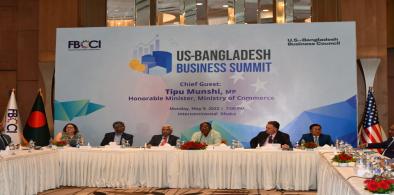
The US plans to sign two defense agreements with Bangladesh: GSOMIA and ACSA and, through these, the US hopes to strengthen military ties by enhancing intelligence sharing and exchanging logistical and technological support, writes Fumiko Yamada for South Asia Monitor
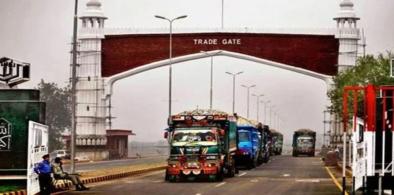
India prioritizing neighbouring countries in its foreign policy objectives, particularly by assisting Sri Lanka and Afghanistan amid crises, shows its commitment to 'Neighbourhood First' policy, writes John Rozario for South Asia Monitor

A mix of Indo-Pakistani enmity and a twisted, politically motivated interpretation of the subcontinent’s past, have helped the BJP to depict the Muslims as demons against whom the Hindus have to wage a relentless battle, writes Amulya Ganguli for South Asia Monitor
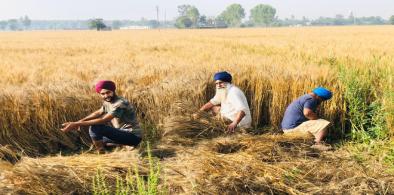
Domestically and in the neighbourhood, too, India’s ban only creates fresh uncertainties despite the government’s assurance that government-to- government contracts will be honoured, writes N. Chandra Mohan for South Asia Monitor
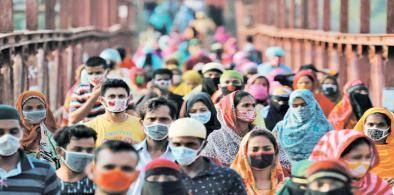
Bangladesh has a long experience in facing natural disasters and managing risks and has been utilizing the learning to cope with Covid-19 too, writes Dr Mohammad Rezaul Karim for South Asia Monitor

The path ahead in Sri Lanka will not be easy – for anyone. But the situation – widespread shortages of all essentials including medicines, food and fuel – have left many Sinhalese wondering if they were right in ignoring what tens of thousands of Tamils underwent for long years, writes M R Narayan Swamy for South Asia Monitor
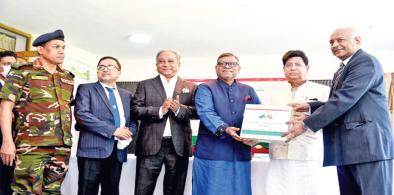
Bangladesh continues to generously host the world’s largest and growing refugee settlement despite the huge burden on economy, food management, limited resources and other circumstances, writes John Rozario for South Asia Monitor
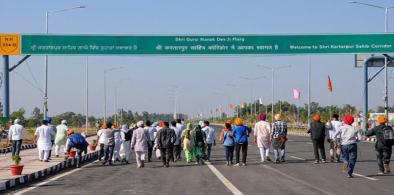
Today, in the 75th year of Independence, both India and Pakistan must honour their 2012 agreement and allow at least the elderly to meet relatives across the divide, writes Tridivesh Singh Maini for South Asia Monitor