The allure of Russian oil for India, however, is more than the imperatives of energy security. It also has deep stakes with $16 billion of investments in various oil and gas projects in Russia, writes N. Chandra Mohan for South Asian Monitor


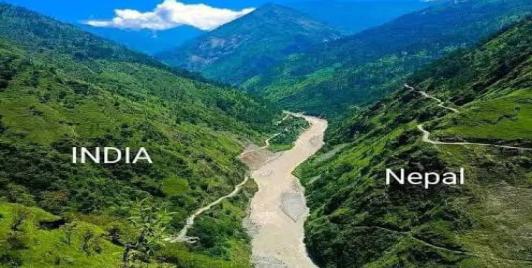
Supported by the Transboundary Rivers of South Asia Programme (TROSA), this led to formation of grassroots networks, including the India-Nepal Joint Action Forum (INJAF) through which civil society organisations and local communities could raise common riverine concerns with officials in their respective countries. Many women in the community participate in these programs, leading to development of women’s empowerment centres (Mahila Mandals).
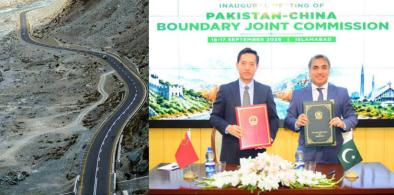
The Pakistan-China Boundary Joint Commission needs to be viewed in backdrop of the fast-changing geopolitics of South Asia and its military implications. The Shaksgam Valley sits immediately north of the Siachen Glacier and just west of Aksai Chin under China's control. By controlling Shaksgam, China can jointly monitor Indian military movements from the north while Pakistan does so from the south.

The question, therefore, is not whether Bangladesh could have secured a particular agreement simply by attending. There is no guarantee that participation in a summit automatically produces investment or diplomatic breakthroughs. The question is whether Bangladesh benefited by being absent.
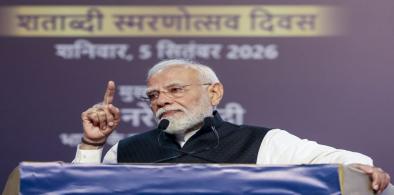
For China to achieve its hegemonic ambitions in Asia, weakening democracies is essential. India, therefore, stands as an iron wall against illiberal encroachments, positioning itself as both a regional hegemon and a defender of democratic order.
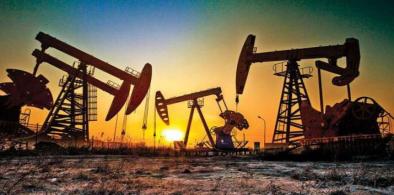
The allure of Russian oil for India, however, is more than the imperatives of energy security. It also has deep stakes with $16 billion of investments in various oil and gas projects in Russia, writes N. Chandra Mohan for South Asian Monitor
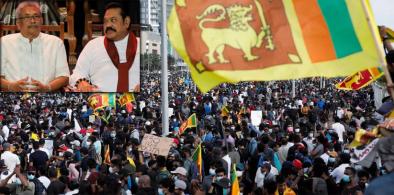
Given that Sri Lanka has a post-independence history of episodic JVP militancy in 1971 and 1987, there is concern about the direction the street protests may take, writes N. Sathiya Moorthy for South Asia Monitor
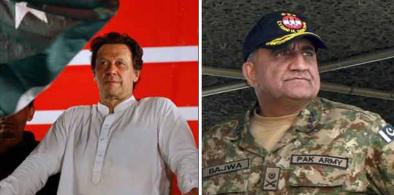
On two counts – annoying Army and America, two of the three pillars on which Pakistan’s polity stands -- may block Imran Khan's future comeback. Only the third, Allah, can help, writes Mahendra Ved for South Asia Monitor
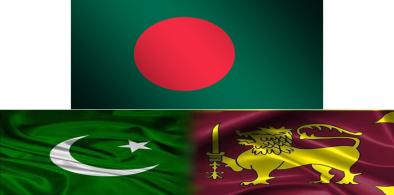
Bangladesh has very strong leadership, pragmatic fiscal policy and foreign reserves. The Sri Lankan case is totally different, writes Mehjabin Bhanu for South Asia Monitor

From within the Muslim community there are extremist elements who in the name of Islam provide much-needed provocations to majoritarian politics, writes Dr Ram Puniyani for South Asia Monitor
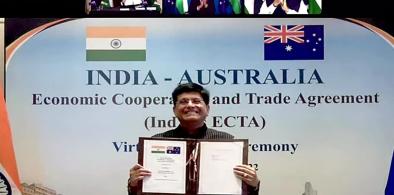
The ECTA with Australia will boost India’s confidence in signing similar trade pacts with the UK and EU, writes N. Chandra Mohan for South Asia Monitor
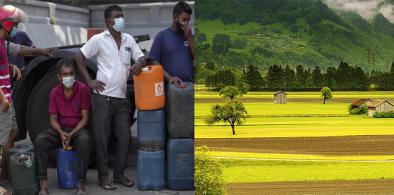
Amid Sri Lanka’s crippling shortages, Hirunika Premachandra Yatowita, daughter of a slain SLFP MP and herself a former MP from Colombo, is being seen as a new leader, writes P. Jayaram for South Asia Monitor

Some major countries of South Asia have recently had Article IV consultations with the IMF since the onset of the pandemic in early 2020, writes Partha Pratim Mitra for South Asia Monitor
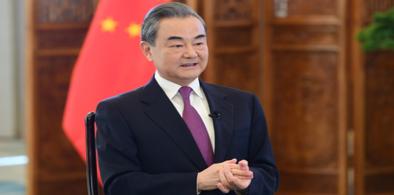
Xi has been quick to grab the opportunity to launch his own diplomatic blitzkrieg by sending his Foreign Minister Wang Yi to South Asia, writes Amb Dilip Sinha (retd) for South Asia Monitor
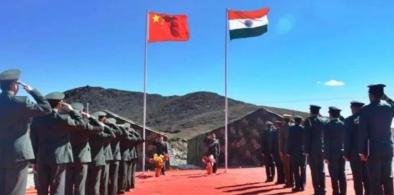
China needs to seriously think whether it wants to continue the confrontation with India or settle the border with irrevocable guarantees, writes Lt Gen P.C. Katoch (retd) for South Asia Monitor
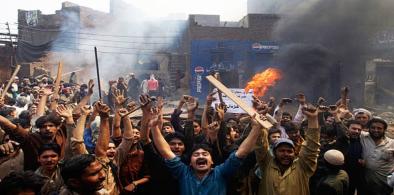
Governments across South Asia need to display stronger political will against violence and unrest over communal and religious issues, writes Shubham for South Asia Monitor

The film lives to its own dialogue that showing wrong is as dangerous as hiding the truth; it totally hides the murders and exodus of Muslims, writes Dr Ram Puniyani for South Asia Monitor
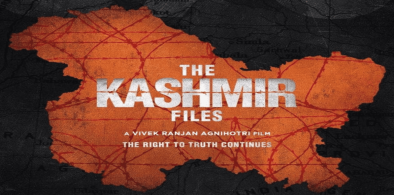
The film has soured Hindu-Muslim relations to an extent in Kashmir - and also in the rest of the country - that the Pandits will be unable to settle down as before in close proximity with their Muslim neighbours, writes Amulya Ganguli for South Asia Monitor
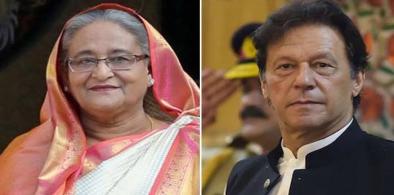
The younger generation of both countries is keen to forge stronger ties between these two Muslim-majority countries in the region, writes Mehjabin Bhanu for South Asia Monitor
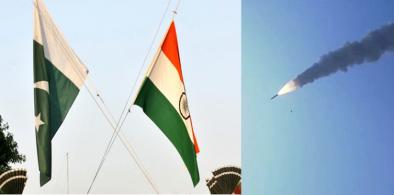
Fortunately, Pakistan never went ballistic and their reaction has averted what could have potentially led to a disastrous escalation, writes Maj Gen Jagatbir Singh (retd) for South Asia Monitor