Aurat March in Pakistan has proved to be a phenomenal success, forcing society to acknowledge women’s efforts, writes Nadra Huma Quraishi for South Asia Monitor


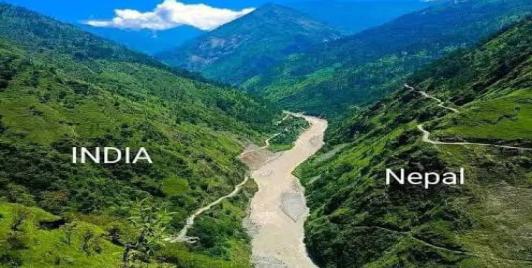
Supported by the Transboundary Rivers of South Asia Programme (TROSA), this led to formation of grassroots networks, including the India-Nepal Joint Action Forum (INJAF) through which civil society organisations and local communities could raise common riverine concerns with officials in their respective countries. Many women in the community participate in these programs, leading to development of women’s empowerment centres (Mahila Mandals).
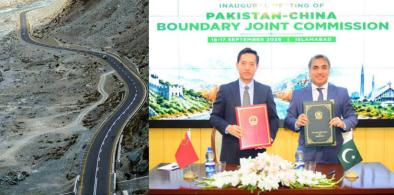
The Pakistan-China Boundary Joint Commission needs to be viewed in backdrop of the fast-changing geopolitics of South Asia and its military implications. The Shaksgam Valley sits immediately north of the Siachen Glacier and just west of Aksai Chin under China's control. By controlling Shaksgam, China can jointly monitor Indian military movements from the north while Pakistan does so from the south.

The question, therefore, is not whether Bangladesh could have secured a particular agreement simply by attending. There is no guarantee that participation in a summit automatically produces investment or diplomatic breakthroughs. The question is whether Bangladesh benefited by being absent.
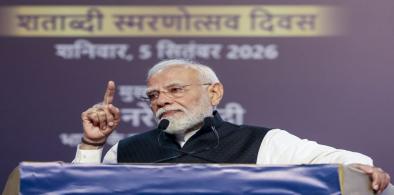
For China to achieve its hegemonic ambitions in Asia, weakening democracies is essential. India, therefore, stands as an iron wall against illiberal encroachments, positioning itself as both a regional hegemon and a defender of democratic order.
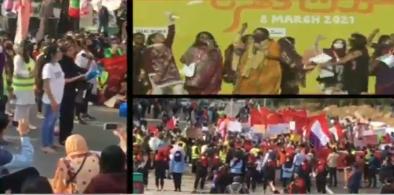
Aurat March in Pakistan has proved to be a phenomenal success, forcing society to acknowledge women’s efforts, writes Nadra Huma Quraishi for South Asia Monitor
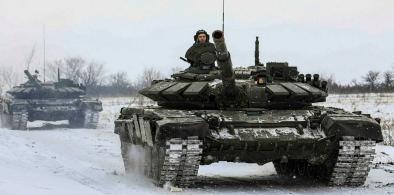
The ‘unforeseen’ would become a frightening reality, recalling what the victims of Hiroshima and Nagasaki had whispered piteously: "The living will envy the dead", writes Cmde C. Uday Bhaskar (retd) for South Asia Monitor
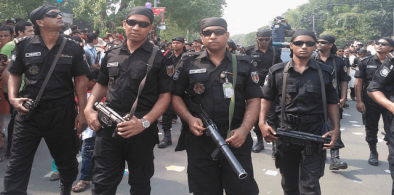
Bangladesh can neither ignore the US and India nor China in the light of the changing global geopolitical situation, writes Emilia Fernandez for South Asia Monitor
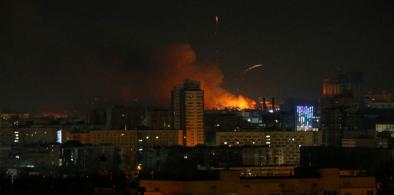
For India, an aggressive Russia does not cause concern; many here believe it to be a more reliable and effective check on China than the United States, writes Amb Dilip Sinha (retd) for South Asia Monitor
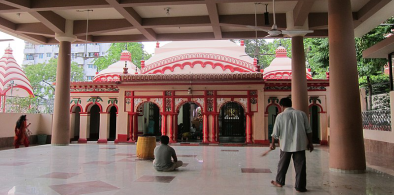
Bangladesh is being depicted unfairly - and without evidence - as a country that discriminates against its minorities, particularly Hindus, writes Anup Sinha for South Asia Monitor
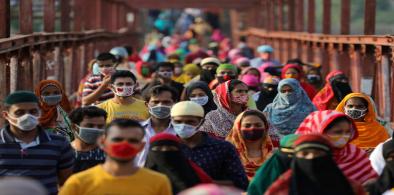
Bangladesh settled for a humanistic approach, focusing on people and their wellbeing, taking steps to minimize infection and death rates, besides ensuring the availability of food, writes Dr. Mohammad Rezaul Karim for the South Asia Monitor
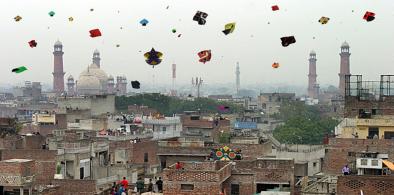
With the ban on kite flying in force, Basant, a celebration of nature and culture, may soon become a matter of the past in Pakistan, writes Mahendra Ved for South Asia Monitor
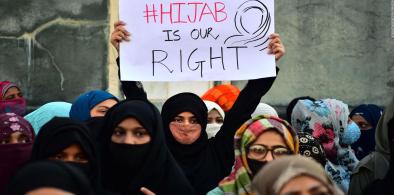
With the help of pliant media, saffron powers have discredited Muslims as an obstacle to the country's development and an enemy of equality, secularism and women's rights, writes Sohail Ahmad for South Asia Monitor
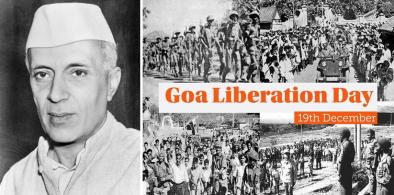
There was also a proposal for a plebiscite in Goa; Nehru stood the ground that Goa’s merger with India is non-negotiable, writes Ram Puniyani for South Asia Monitor
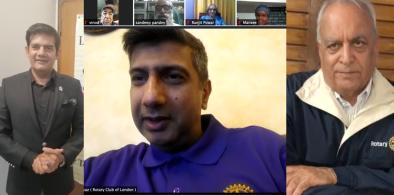
The upcoming meeting of Indian and Pakistani Rotary Club members and others at Kartarpur this week highlights Rotarian efforts to develop an Indus Peace Park near the Kartarpur entrance writes Beena Sarwar for South Asia Monitor

International communities should criminalize the intentional propagation of hatred towards a particular faith, write Monira Nazmi Jahan and Nusrat Jahan Nishat for South Asia Monitor
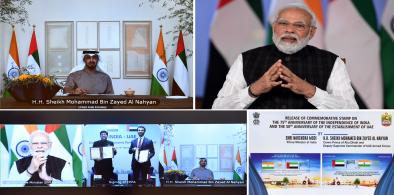
The CEPA’s larger significance is that it serves as a template for an FTA with the Gulf Cooperation Council (GCC) whose members include Saudi Arabia, Kuwait, Oman, Qatar and Bahrain, writes N. Chandra Mohan for South Asia Monitor
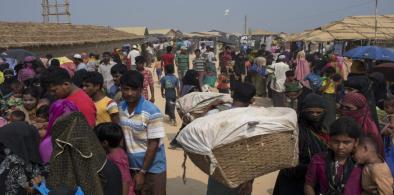
The junta will likely leverage the hearings to gain substantial de jure recognition as the legitimate government of Myanmar within other UN bodies and beyond, writes Parvej Siddique Bhuiyan for South Asia Monitor
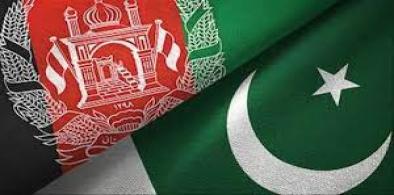
As of now, Pakistan’s much-sought ‘strategic depth’ with a friendly government in Afghanistan has proved elusive, writes Mahendra Ved for South Asia Monitor
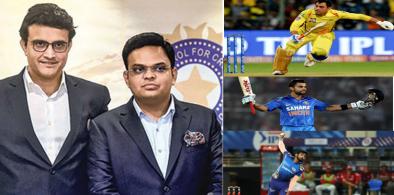
Millions of Indian cricket fans across the globe are the real foundation of the Indian cricket board's financial power, writes Qaiser Mohammad Ali for South Asia Monitor