The pandemic is estimated to have caused 48-59 million people to become or remain poor in 2021 in South Asia, writes V.K. Varadarajan for South Asia Monitor


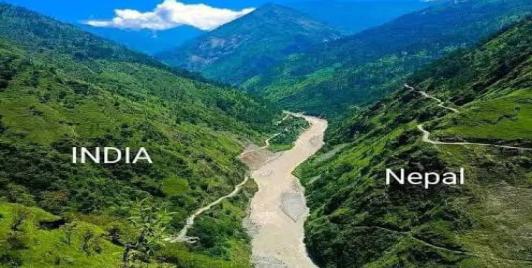
Supported by the Transboundary Rivers of South Asia Programme (TROSA), this led to formation of grassroots networks, including the India-Nepal Joint Action Forum (INJAF) through which civil society organisations and local communities could raise common riverine concerns with officials in their respective countries. Many women in the community participate in these programs, leading to development of women’s empowerment centres (Mahila Mandals).
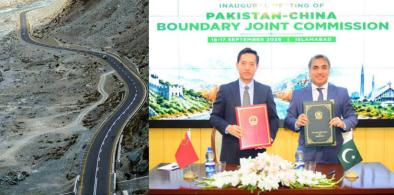
The Pakistan-China Boundary Joint Commission needs to be viewed in backdrop of the fast-changing geopolitics of South Asia and its military implications. The Shaksgam Valley sits immediately north of the Siachen Glacier and just west of Aksai Chin under China's control. By controlling Shaksgam, China can jointly monitor Indian military movements from the north while Pakistan does so from the south.
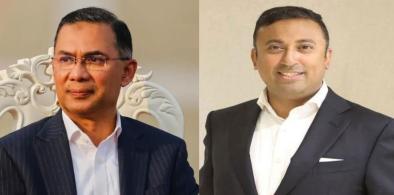
The question, therefore, is not whether Bangladesh could have secured a particular agreement simply by attending. There is no guarantee that participation in a summit automatically produces investment or diplomatic breakthroughs. The question is whether Bangladesh benefited by being absent.
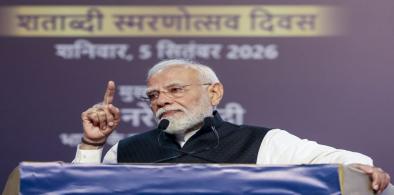
For China to achieve its hegemonic ambitions in Asia, weakening democracies is essential. India, therefore, stands as an iron wall against illiberal encroachments, positioning itself as both a regional hegemon and a defender of democratic order.
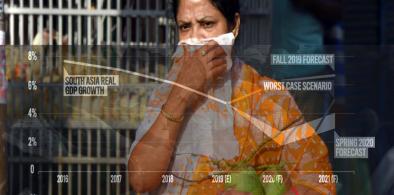
The pandemic is estimated to have caused 48-59 million people to become or remain poor in 2021 in South Asia, writes V.K. Varadarajan for South Asia Monitor
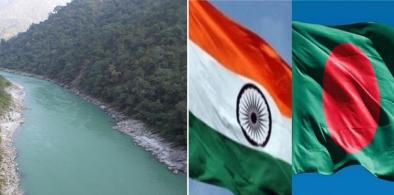
India should act quickly to reach an amicable solution to the Teesta dispute before Bangladesh embraces Chinese cooperation on the issue, writes Anup Sinha for South Asia Monitor
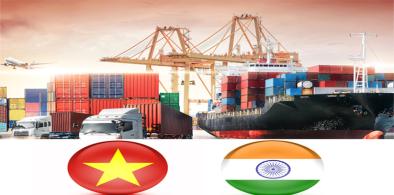
Even though Vietnam is reckoned as having an edge over India in the global supply chain, India’s demographic advantages override Vietnam, writes S. Majumder for South Asia Monitor
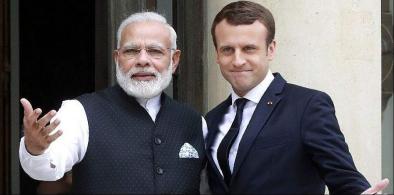
With a French Presidency, the strategic partnership between India and the EU could finally bloom to its full potential, writes Amb Bhaswati Mukherjee (retd.) for South Asia Monitor
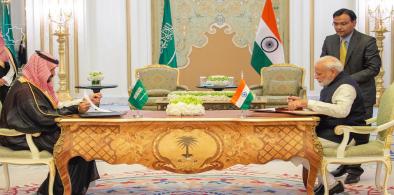
During a visit to India in 2019, the Saudi Crown Prince announced that the kingdom would be investing $100 billion in diversified sectors in India, writes N. Chandra Mohan for South Asia Monitor
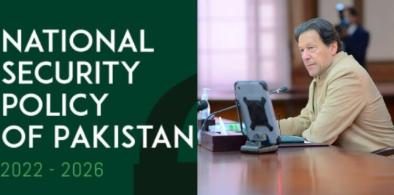
The NSP tosses a heads-I-win-tail-you-lose option for India; it announces its intent of seeking peace but leaves the onus on India, writes Mahendra Ved for South Asia Monitor
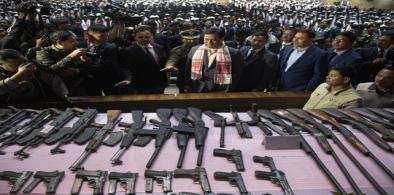
Using the Army to control insurgency in the Northeast has failed as a model, writes B.L. Vohra for South Asia Monitor

The US, Sri Lanka, India, the Maldives and others can work together with Bangladesh to deal with regional maritime problems, writes Jubeda Chowdhury for South Asia Monitor
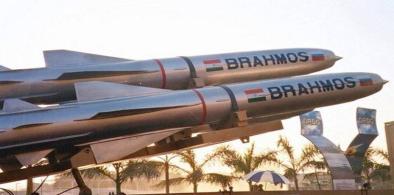
The Integrated Guided Missile Development Programme that began in 1983 under the stewardship of Prime Minister Indira Gandhi is an island of Indian perseverance and quiet success, writes Cmde C. Uday Bhaskar (retd,) for South Asia Monitor
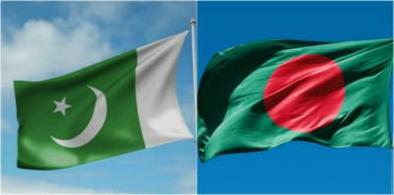
While the Pakistani media is now asking its government to follow the Bangladesh model, it remains a sore point that Bangladesh was an exploited colony of Pakistan, writes Pathik Hasan for South Asia Monitor
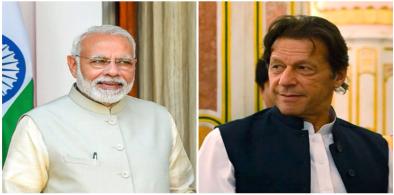
NGOs like South Asia Peace Action Network (SAPAN) and Aaghaz-e-Dosti deserves mention for relentlessly trying to end enmity and distrust between the two countries, writes Anondeeta Chakraborty for South Asia Monitor
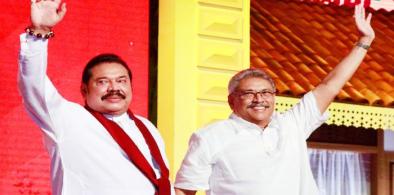
As Sri Lanka descends deeper into economic chaos, the popularity of the President and his government have declined to levels never seen before for any political regime reaching midterm, writes Indika Hettiarachchi for South Asia Monitor

In the face of jihadi threats against it, it remains to be seen how China responds; or will it continue to fund and support nations like Pakistan that are the terror factories of many jihadist designs? writes Aparna Rawal for South Asia Monitor
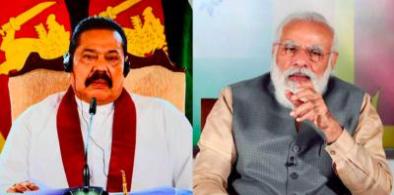
It is open to speculation what and how much India can do for the minority Tamils vis-à-vis Colombo, which is slowly again extending a hand of friendship to New Delhi after trying to prop up China as a counter, writes M R Narayan Swamy for South Asia Monitor
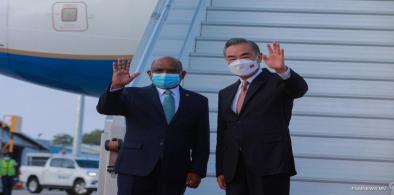
Beijing will try its level best to lure Maldives more into its debt trap and wean it away from India, writes Lt Gen P. C. Katoch (retd) for South Asia Monitor