Leaders of the BNP and Jamat-E-Islami are thinking that the corona pandemic will totally change the political situation in the country and will help them seize power once again, writes Swadesh Roy for South Asia Monitor


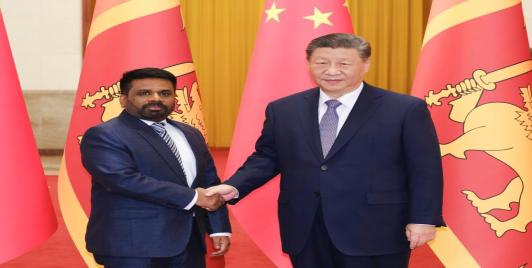
China’s growing influence on small countries thus extends far beyond trade and infrastructure. It shapes debates on governance, challenges democratic norms, and pressures sovereign states to align with Beijing’s priorities. For nations like Sri Lanka and Nepal, the dilemma is stark
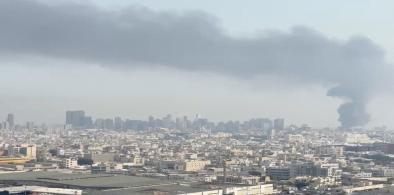
Here is something that is perhaps not widely reported. According to this account, Iranian forces were able to destroy a significant part of the logistics infrastructure supporting these large carrier operations. They struck the central logistics hub in Bahrain very early in the conflict.
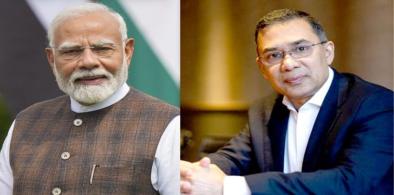
Bangladesh's Prime Minister need not visit India simply to keep relations cordial, but when engagement can advance its interests, refusing engagement becomes a cost of its own. The objective should be to preserve leverage through engagement, not to mistake rigidity for leverage.
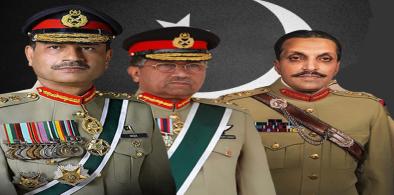
However, the political situation has gradually begun to show currents that may move against Munir. The Supreme Court of Pakistan’s order to shift former Pakistan Prime Minister Imran Khan, Munir’s arch-rival, to a private hospital and the statement by the US Ambassador to India, Sergio Gor affirming that J&K is "an important part of India", reinforces the impression of classic temporariness and limited strategic relevance of Pakistan in US-Pak relations.
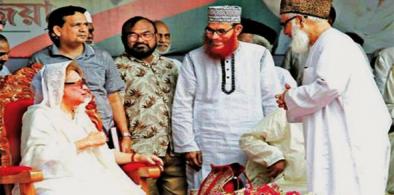
Leaders of the BNP and Jamat-E-Islami are thinking that the corona pandemic will totally change the political situation in the country and will help them seize power once again, writes Swadesh Roy for South Asia Monitor
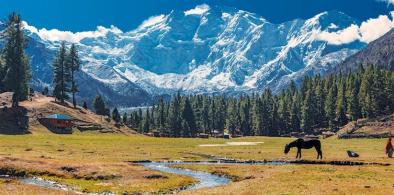
With India–China military tensions already high in parts of eastern Ladakh, the construction of the Diamer-Bhasha dam will add to new security challenges for India, writes Nilova Roy Chaudhury for South Asia Monitor
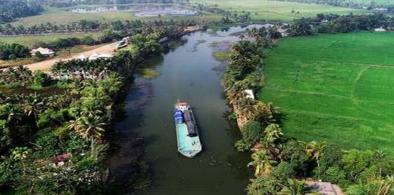
This inland waterway route looks all set to ensure efficient and effective cargo movement between the two neighbours and herald a new chapter in bilateral cooperation in South Asia, writes Sreeradha Datta for south Asia Monitor
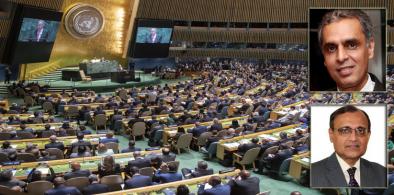
India has a pool of talented diplomats but their skills will be expended on putting lipstick on a pig if the government at home promotes narrow, sectarian ideologies that are at variance with accepted international norms, writes E. D. Mathew for South Asia Monitor
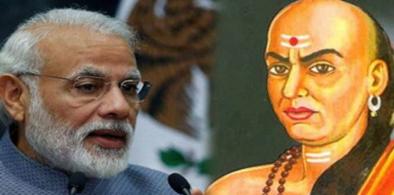
Modi may not be getting the kind of feedback and reality check that is vital for effective and empathetic governance and this is where, apart from Chanakya, the Canute principle acquires relevance, writes C Uday Bhaskar for South Asia Monitor
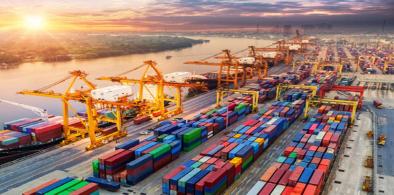
From the South Asian Association for Regional Cooperation (SAARC) countries, India is emerging as one of the top alternative manufacturing destinations, writes Dr. Mohammad Rezaul Karim for South Asia Monitor
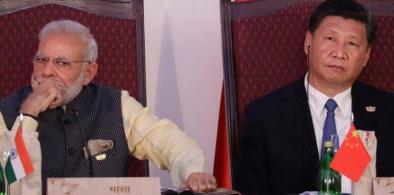
China is sure that India would initiate back-room talks and negotiate some face-saving device to disengage. But, there lies the danger, writes Brigadier Deepak Sethi (retd) for South Asia Monitor
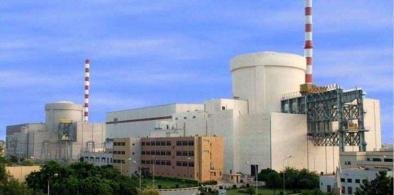
Pakistan has used its Centres of Excellence to promote and share best practices in nuclear security through three affiliated institutes: the Pakistan Centre of Excellence for Nuclear Security (PCENS), the National Institute of Safety and Security (NISAS), and the Pakistan Institute of Engineering and Applied Sciences (PIEAS), writes Rabia Javed for South Asia Monitor
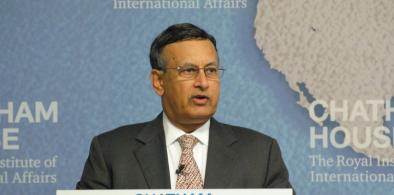
Thirty prominent human rights advocates and peace activists, who disagree with a lot that is happening in Pakistan. Either living at home, but most of them exiled abroad, participated in the conference titled Enforced Disappearances, State-sanctioned killings, & Diminishing Democracy in Pakistan, writes Mahendra Ved for South Asia Monitor
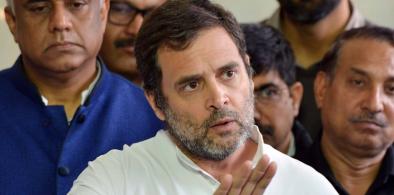
The BJP found itself on the back foot was when Congress leader Rahul Gandhi was pictured sitting on a pavement, talking to a group of migrants. It was a Haroun al-Rashid moment of a privileged person closely interacting with the unwashed masses, writes Amulya Ganguli for South Asia Monitor
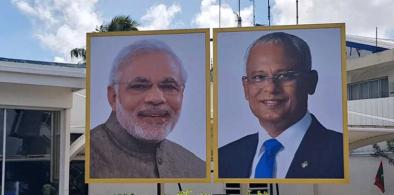
With the support of the United Arab Emirates, the Maldives not only prevented Pakistan from targeting India as Islamophobic during the OIC meeting, but also defended India’s record as a democratic, multicultural society, writes Shubha Singh for South Asia Monitor
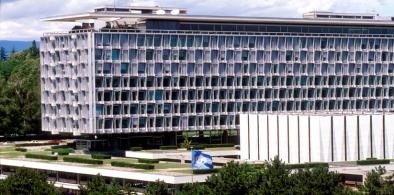
This is a time when India should fashion itself as a new global health hub and provide global leadership in health. Pushing a new agenda for the WHO’s relocation from Geneva to India would make immense sense, writes Ram Krishna Sinha for South Asia Monitor
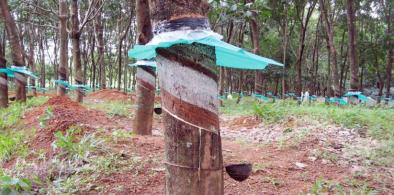
From Bangladesh to India and to Sri Lanka, the natural rubbers producers are getting squeezed under lockdowns and social distancing. It is sounding the death knell of the region’s rubber economy, writes K S Nayar for South Asia Monitor

Banks are generally very traditional in nature even though all the banks and financial institutions are going digital. Traditional nature change is again a challenge. The lockdown has come as a blessing in disguise as the changeover to digital systems can now pick pace, as it becomes the need of the day, writes Ashim Kumar Goswami for South Asia Monitor
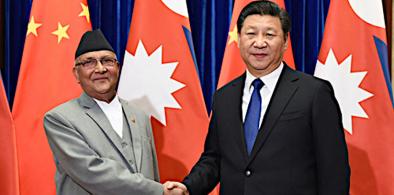
Indian policy towards Nepal has been lackadaisical. Belief of mutual Hindu traditions should be viewed in the context of power in Nepal lying with the communists for whom religion is anathema, writes Lt Gen P. C. Katoch (retd) for South Asia Monitor