For Sri Lanka's tourism industry, the worst is yet to come. Experts say the downfall will continue as the energy crisis is unlikely to ease for months, writes Shraddha Nand Bhatnagar for South Asia Monitor


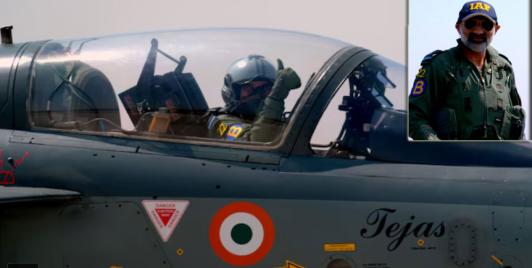
Air power will remain central to national security. Whether India has enough of it, in the right form, and can afford it in scarce dollars, is still an open question. ACM Singh is to be commended for his distinguished service and stellar leadership – and more importantly – rendering objective professional advice to the apex leadership, an increasingly rare trait in the current times.
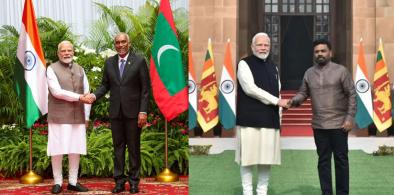
Under conditions of what is increasingly described as the "Great Fragmentation," Sri Lanka's geographic proximity to India should be viewed as a strategic advantage rather than a liability. Properly managed, this strategic reality could help transform Sri Lanka into a prosperous and stable nation.
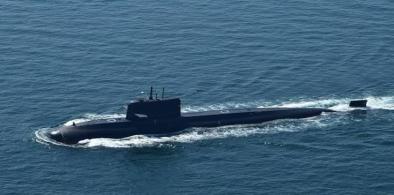
The September 27 firing is therefore best seen as the beginning of a new phase in Pakistan’s naval modernization. The larger strategic question is still open. Whether Hangor changes the regional maritime balance will depend on what comes next
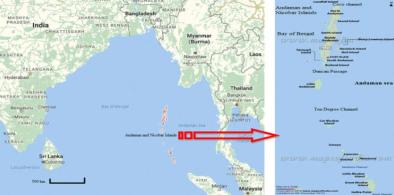
The Great Nicobar Island Development Project (GNIDP) is a mammoth venture by India to strategically strengthen its presence in the Andaman Sea and Southeast Asia with its own transshipment hub. The mega-infrastructure project spans approximately166.10 sq km covering about 15% of the total landmass of Great Nicobar Island at the southernmost tip of the Andaman and Nicobar archipelago.

For Sri Lanka's tourism industry, the worst is yet to come. Experts say the downfall will continue as the energy crisis is unlikely to ease for months, writes Shraddha Nand Bhatnagar for South Asia Monitor
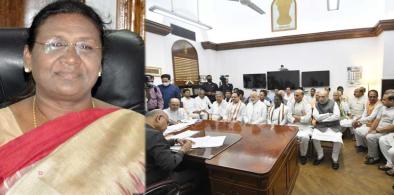
It’s a win-win situation for the BJP in the Presidential election. It now evidently hopes to fully enlist the Adivasis in its expansionist plans while the Congress flounders without a sense of direction, writes Amulya Ganguli for South Asia Monitor
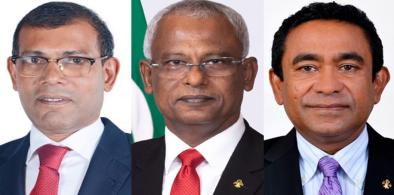
India-bashing is a preferred pasttime for opposition politicians in countries like Bangladesh, Nepal and Sri Lanka, not to mention Pakistan and Afghanistan, writes N. Sathiya Moorthy for South Asia Monitor

Only adequate remuneration and commensurate punishment for infringement can the practice of illegal gratification be significantly reduced, if not eliminated, writes Amb Sarvajit Chakravarti (retd) for South Asia Monitor
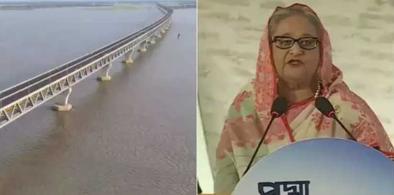
Bangladesh has proved its capacity by building a 6.15 km bridge over the country's second toughest river using its own money, writes Fumiko Yamada for South Asia Monitor
Those who were not part of the anti-British struggle had roots in the ideologies of landlord-clergy combine. They articulated nationalism in the name of religion, called it cultural nationalism, writes Dr Ram Puniyani for South Asia Monitor
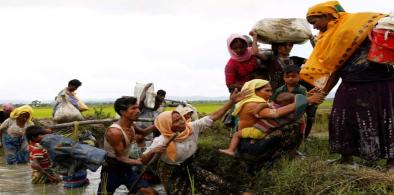
Myanmar and Bangladesh must cooperate in a neighbourly manner. Resolving the regional humanitarian problem will benefit the entire region of South Asia and Southeast Asia, writes Parvej Siddique Bhuiyan for South Asia Monitor
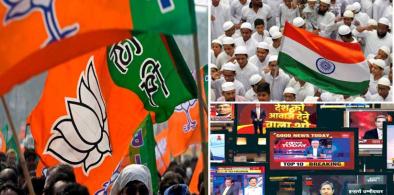
In view of the growing trade and cultural ties between India and the Arab world, it will be disastrous if differences aggravate and no remedial and timely actions are taken, writes Asif Rameez Daudi for South Asia Monitor
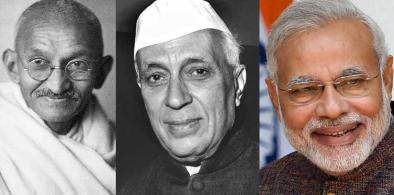
Beginning with Mahatma Gandhi and Jawaharlal Nehru till Narendra Modi, we have a tendency to associate divine qualities to a political leader, writes Dr. Suparna Banerjee for South Asia Monitor
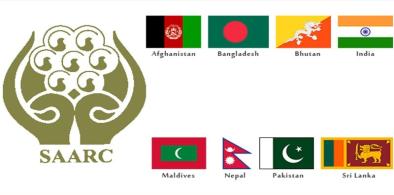
Covid-19 pandemic and Sri Lanka's crisis are the best examples for all member states to try their level best to revitalize SAARC, writes Dr Shakuntala Bhabani for South Asia Monitor
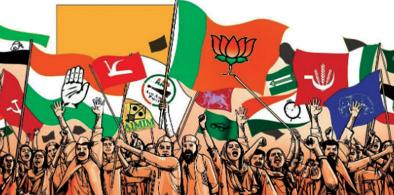
The major political parties in India need to oppose the gross violations of the Constitution, the bulldozer (in)justice and beating of accused in custody, writes Dr Ram Puniyani for South Asia Monitor
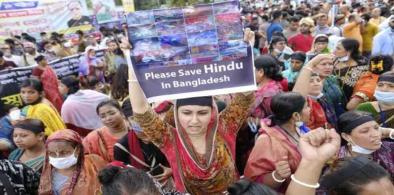
Unlike Myanmar and India, Bangladesh has never, particularly since 1991, promoted any discriminatory policy against minorities, writes Samina Akhter for South Asia Monitor
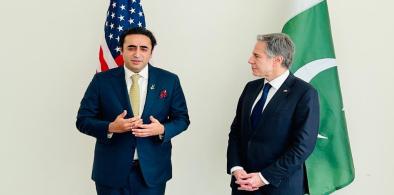
A number of factors in Pakistan such as the alarming economic situation, continued grey-listing by the FATF, growing terrorism challenges created the exigency for a reset in its ties with Washington, writes Shraddha Nand Bhatnagar for South Asia Monitor
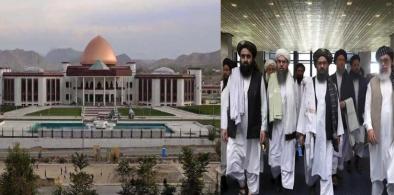
But the democratic world, mainly the US, already lost its battle for democracy in South and Central Asia by allowing the collapse of the the Afghan Republic, writes Fahim Sadat for South Asia Monitor

The Taliban, on the other hand, assiduously tried to exert themselves as an independent sovereign authority in Afghanistan, which was also reflected in the series of interviews that the group’s senior leaders gave to Indian media just before Singh’s visit. They also assured, on multiple occasions, that if New Delhi decided to re-open its embassy, they will be provided security, India’s prime concern, writes Shraddha Nand Bhatnagar for South Asia Monitor