The policy dilemmas which the economies of South Asia face call for collective thinking, although each country may have to pursue its own strategy, writes Partha Pratim Mitra for South Asia Monitor


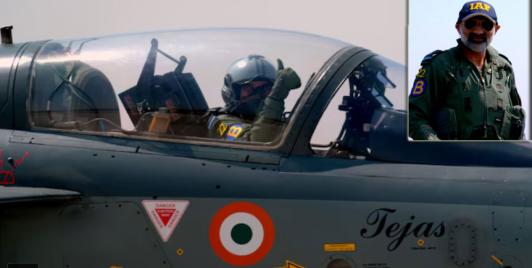
Air power will remain central to national security. Whether India has enough of it, in the right form, and can afford it in scarce dollars, is still an open question. ACM Singh is to be commended for his distinguished service and stellar leadership – and more importantly – rendering objective professional advice to the apex leadership, an increasingly rare trait in the current times.
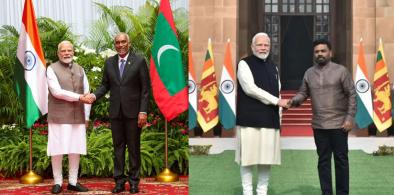
Under conditions of what is increasingly described as the "Great Fragmentation," Sri Lanka's geographic proximity to India should be viewed as a strategic advantage rather than a liability. Properly managed, this strategic reality could help transform Sri Lanka into a prosperous and stable nation.

The September 27 firing is therefore best seen as the beginning of a new phase in Pakistan’s naval modernization. The larger strategic question is still open. Whether Hangor changes the regional maritime balance will depend on what comes next
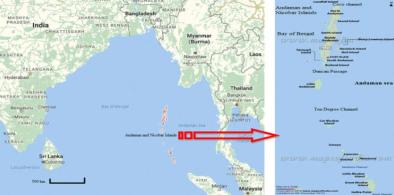
The Great Nicobar Island Development Project (GNIDP) is a mammoth venture by India to strategically strengthen its presence in the Andaman Sea and Southeast Asia with its own transshipment hub. The mega-infrastructure project spans approximately166.10 sq km covering about 15% of the total landmass of Great Nicobar Island at the southernmost tip of the Andaman and Nicobar archipelago.

The policy dilemmas which the economies of South Asia face call for collective thinking, although each country may have to pursue its own strategy, writes Partha Pratim Mitra for South Asia Monitor
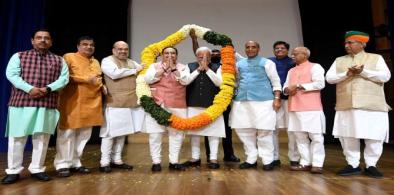
Now the BJP may begin to have second thoughts about aggressive pro-Hindu tactics. Even if it has won over large sections of the communal-minded Hindus at home, it will be wary of an Arab boycott of Indian products abroad, writes Amulya Ganguli for South Asia Monitor
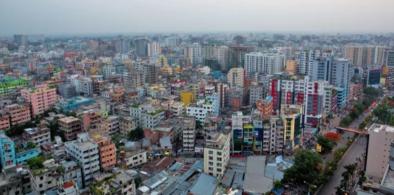
Bangladesh is a South Asian miracle. Dislodging India, Bangladesh has quietly made its way to the top spot of the South Asian economic wheel, writes Shuvo Das for South Asia Monitor
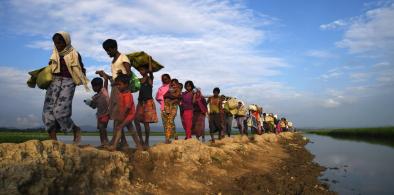
The Afghan and Ukraine crises have worsened the situation. But the world must remember that Rohingyas are also refugees, writes Parvej Siddique Bhuiyan for South Asia Monitor

South Asia alone produces around 300 million tonnes of solid waste annually and 70–80 percent of these ends up in water bodies or in oceans, write George Cheriyan and Simi T.B. for South Asia Monitor
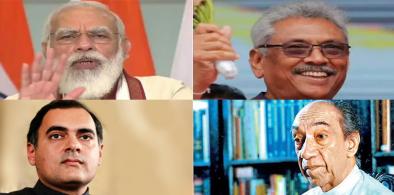
Sri Lanka should also remember the adage ‘there are no free lunches’ and bilateral relations will depend on a give-and-take policy, writes Suggeeswara Senadhira for South Asia Monitor
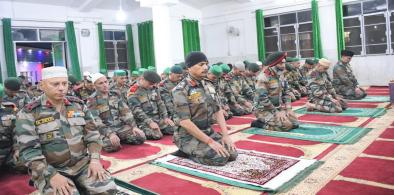
As officers in the armed forces, their religion is that of their soldiers, sailors and airmen and all religious festivals of India are attended and taken part by all officers and families, writes Col Anil Bhat (retd) for South Asia Monitor
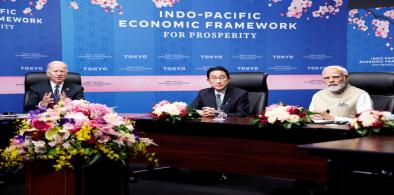
The US has now become important for India’s energy security as is the United Arab Emirates, Saudi Arabia and Iraq, writes N. Chandra Mohan for South Asia Monitor

The 1991 act was aimed at focussing social energies on building the future while preserving the integrative aspects of Indian syncretism, what Jawaharlal Nehru underlined as "Ganga-Jamuna tehjeeb", writes Dr Ram Puniyani for South Asia Monitor
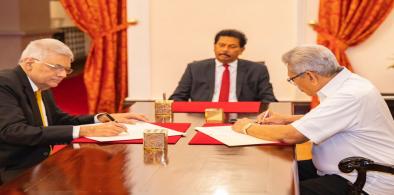
His traditional urban backers grudgingly accept Prime Minister Ranil Wickremesinghe’s confession that they have to bear more for a few weeks more before pressing the recovery button. The same cannot be said of the rural poor, writes N. Sathiya Moorthy for South Asia Monitor

The US plans to sign two defense agreements with Bangladesh: GSOMIA and ACSA and, through these, the US hopes to strengthen military ties by enhancing intelligence sharing and exchanging logistical and technological support, writes Fumiko Yamada for South Asia Monitor
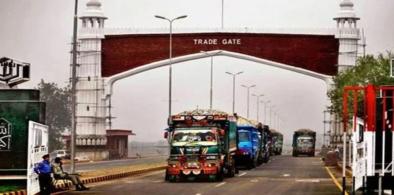
India prioritizing neighbouring countries in its foreign policy objectives, particularly by assisting Sri Lanka and Afghanistan amid crises, shows its commitment to 'Neighbourhood First' policy, writes John Rozario for South Asia Monitor

A mix of Indo-Pakistani enmity and a twisted, politically motivated interpretation of the subcontinent’s past, have helped the BJP to depict the Muslims as demons against whom the Hindus have to wage a relentless battle, writes Amulya Ganguli for South Asia Monitor
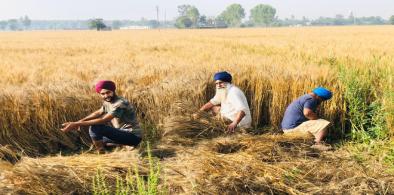
Domestically and in the neighbourhood, too, India’s ban only creates fresh uncertainties despite the government’s assurance that government-to- government contracts will be honoured, writes N. Chandra Mohan for South Asia Monitor
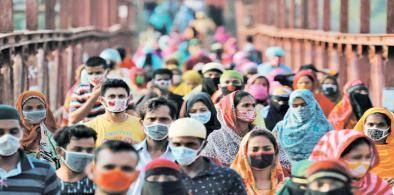
Bangladesh has a long experience in facing natural disasters and managing risks and has been utilizing the learning to cope with Covid-19 too, writes Dr Mohammad Rezaul Karim for South Asia Monitor