The challenges in the path of the fraternity project are many. But we must overcome them, as it is on the pillar of fraternal relations that a well-functioning and healthy democracy rests


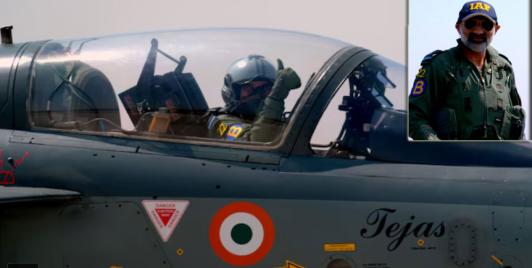
Air power will remain central to national security. Whether India has enough of it, in the right form, and can afford it in scarce dollars, is still an open question. ACM Singh is to be commended for his distinguished service and stellar leadership – and more importantly – rendering objective professional advice to the apex leadership, an increasingly rare trait in the current times.
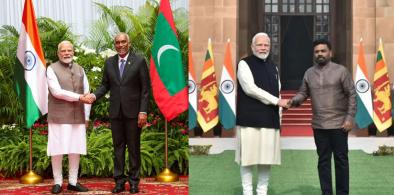
Under conditions of what is increasingly described as the "Great Fragmentation," Sri Lanka's geographic proximity to India should be viewed as a strategic advantage rather than a liability. Properly managed, this strategic reality could help transform Sri Lanka into a prosperous and stable nation.
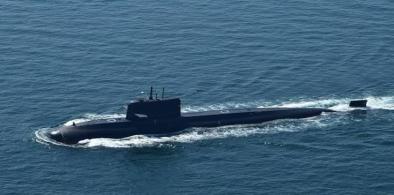
The September 27 firing is therefore best seen as the beginning of a new phase in Pakistan’s naval modernization. The larger strategic question is still open. Whether Hangor changes the regional maritime balance will depend on what comes next
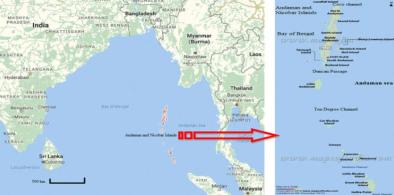
The Great Nicobar Island Development Project (GNIDP) is a mammoth venture by India to strategically strengthen its presence in the Andaman Sea and Southeast Asia with its own transshipment hub. The mega-infrastructure project spans approximately166.10 sq km covering about 15% of the total landmass of Great Nicobar Island at the southernmost tip of the Andaman and Nicobar archipelago.

The challenges in the path of the fraternity project are many. But we must overcome them, as it is on the pillar of fraternal relations that a well-functioning and healthy democracy rests

Yet, with new technologies of 3D printing, reasonably priced materials and the Internet, one can teach students in such a way so that learning becomes enjoyable

The entire exercise can be seen as a striving to raise national morale among the people buffeted by economic stress and political turbulence
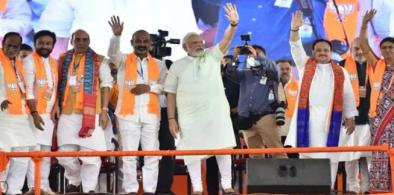
What is needed more is an end to the hate campaigns against the Muslim community and the start of affirmative action for the weaker sections of the Muslim population, writes Dr Ram Puniyani for South Asia Monitor
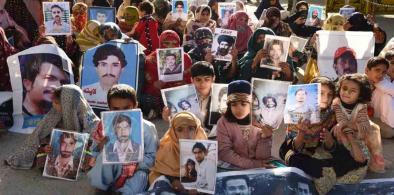
Thousands of Pakistani families are bearing the violation of the right to truth. Balochistan has been confronted with the burning issue of missing persons for the past two decades, writes Nizam Hassan for South Aisa Monitor
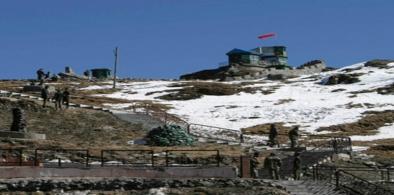
The visit by the Indian Army chief to Bhutan in the backdrop of China’s territorial advances in Bhutan and India have brought into focus China’s future intentions, writes Lt Gen P. C. Katoch (retd) for South Asia Monitor

But even if we put the moral aspect aside and try to be pragmatic, to regard Russia as a future strategic partner is also wrong. It will not bring any benefit - economic or military – to India, write Prof (Dr) Vesselin Popovski, Prof Abhinav Mehrotra and Surabhi Bhandari for South Asia Monitor
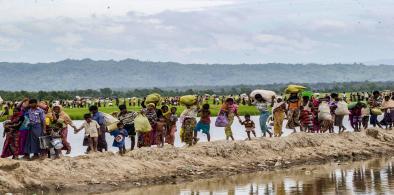
By holding the military accountable for its atrocities against the Rohingya, the ICJ might create the incentive for further international action to ensure justice for all victims of Myanmar’s security forces, writes Dr Arpita Hazarika for South Asia Monitor

The recent executions are an attempt to terrorize the people to move away from that path of dissidence and political activism, writes Sreeradha Datta for South Asia Monitor

High quality STEM education will enable India to lead the world in the evolving technological and knowledge-based economy, writes Amb Sarvajit Chakravarti (retd) for South Asia Monitor
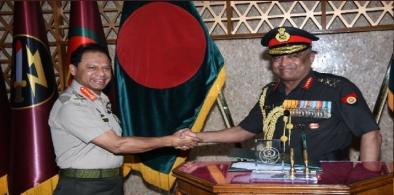
India-Bangladesh bonhomie on the security front has reached newer heights. Their strategic relations will continue to add more depth and momentum, writes Kamal Uddin Mazumder for South Asia Monitor

The people have determined that a new political order is required because of the negative experiences from the past, where the legislative and executive powers opposed each other, resulting in instability, writes Sugeeswara Senadhira for South Asia Monitor
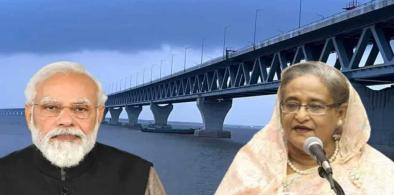
Keeping in mind the economic progress of Bangladesh, it can be said that besides the construction of the Padma Bridge, the new communication system being developed between the two countries will further strengthen their bonds, writes Tapan Das for South Asia Monitor

Bangladesh has already taken cautionary measures to not be a loan defaulter to avoid a Sri Lanka like situation, writes Sufian Siddique for South Asia Monitor
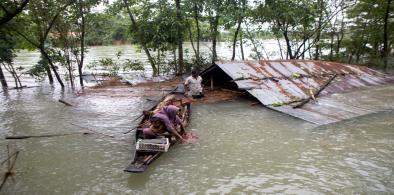
Floods in the Brahmaputra basin in Assam and downstream Bangladesh are common every year, especially during the June-September monsoon that brings South Asia most of its annual rainfall