

Iran at the Crossroads: In a Changing Region, Tehran’s Critical Choices Could Shape Change (Part IV)
Iran's demonstrated endurance to maintain its intrinsic rights to nuclear enrichment as an NPT state even under sanctions and its willingness to escalate without collapsing, is an important consideration for the Iranian regime. This issue was centre stage at the collapsed Islamabad negotiations. How Iran shapes its stand will be centre piece of future negotiations.
 Apr 13, 2026
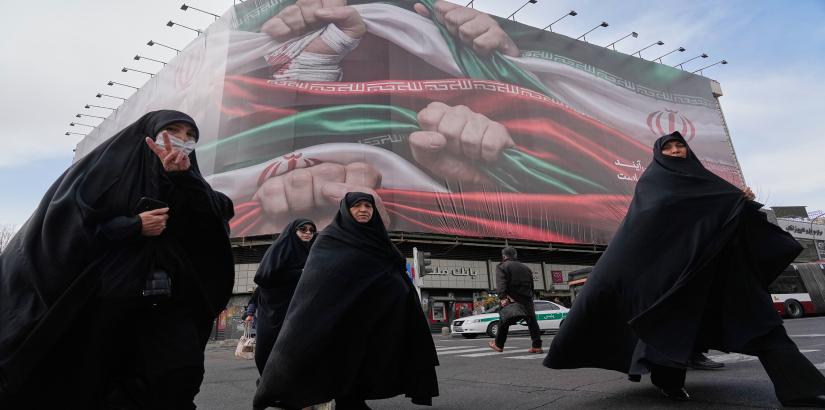
As the dust settles over a fragile ceasefire, the most consequential decisions may lie not in external negotiations but within Iran itself. The conflict has reshaped regional dynamics, exposed vulnerabilities, and created new opportunities. Yet the direction Iran now chooses will play a defining role in shaping what comes next.
This is a moment of internal reckoning. Iran's leadership, including the Supreme Leader, the President, and the Mosaic forces of the IRGC are under pressure to adjust and adapt. There decisions will to large measure shape country's both future and strategic trajectory.
Shifting Centres of Power
One of the most visible outcomes of the conflict as a consequence of decapitation strikes is the apparent weakening of the traditional Islamist political authority. This does not imply a breakdown but suggests a possible redistribution of influence. The balance is tilting towards institutions that command hard power, most notably the Islamic Revolutionary Guard Corps (IRGC).
The IRGC’s role has expanded over time, and recent events have reinforced its centrality. It has demonstrated operational capability, strategic reach, and resilience under pressure. These attributes translate into political weight.
However, this shift creates a dual dynamic. Which is both good and bad thing. At one level indicates resilience and influence that ensures a firm approach over security and sovereignty resulting in control over levers of power On the other hand, it raises concerns about flexibility in diplomacy. Military institutions tend to prioritise strength and deterrence, sometimes at the expense of compromise. This issue is vital for charting the future of Iran in the backdrop of failed negotiations in Islamabad.
The interplay between pragmatic voices and hardline factions within Iran’s political system is influenced by discernible external pressures from the US and other regional actors, impacting Iran’s external engagement strategies.
The interplay between these forces will shape Iran’s trajectory. It is not a binary contest but a negotiation within the system itself.
The Nuclear Decision
The future of Iran’s nuclear programme remains the central strategic issue. It is both a source of leverage and a focal point of international concern.
Iran's demonstrated endurance to maintain its intrinsic rights to nuclear enrichment as an NPT state even under sanctions and its willingness to escalate without collapsing, is an important consideration for the Iranian regime. This issue was centre stage at the collapsed Islamabad negotiations. How Iran shapes its stand will be centre piece of future negotiations. This single factor will influence regional and international security calculations, shaping future negotiations and strategic stability.
If Iran chooses to engage, it will do so with clear expectations. Any limitation on enrichment or stockpiles will come with demands. These are likely to include credible security guarantees, phased sanctions relief, and recognition of Iran’s regional role.
The challenge lies in defining what is acceptable to all sides. External powers will seek verifiable limits and transparency. Iran will seek assurances that go beyond past agreements, which it views as both imposition and insufficient.
There is also the question of sequencing. Iran may insist on parallel steps rather than front-loaded concessions. This can slow progress but reflects a desire to avoid strategic vulnerability.
The nuclear issue, therefore, is not just technical. It is deeply political, tied to trust, credibility, and long-term positioning.
Hormuz — Between Control and Cooperation
The Strait of Hormuz, discussed in Part III, now directly informs Iran’s internal decision-making. Iran understands that it cannot exercise unchecked control without provoking sustained opposition. At the same time, it recognises the Strait as a critical source of leverage and revenue. This creates a major strategic and negotiations dilemma.
On the one hand, the United States and its partners will push for a “free and open” Strait, underscoring both capability and interest in regional energy politics. Aim, to ensure full flow of energy and resources preventing Iran’s ability to disrupt or influence traffic. Iran on the other hand, views external influence over territorial space an erosion of its natural strategic advantage.
Solution may lie in managed cooperation. This will be an issue which Iran will like to decide on own terms rather than dictated by US. There are signs of possible cooperative arrangement with Oman. An joint protocol to monitor and control all tanker traffic through Strait of Hormuz is being drafted. This can provide a framework that allows for shared oversight, de-escalation mechanisms, with economic incentives providing a middle ground. Will this suit/acceptable to Americans who are really not looking for trasit arrangements but control and management of resources through the straits, as part of broader energy geopolitics.
Relations with Arab States
Another critical dimension is Iran’s relationship with its Arab neighbours. Years of rivalry, proxy conflicts, and mutual suspicion have deepened divides. Yet the recent conflict has also starkly underscored the costs of continued confrontation.
For Gulf states, engaging with Iran may now be less a matter of choice and more a matter of requirment. For Iran, improving relations could unlock economic opportunities and ease external pressure.
The path forward is complex. Trust is limited, and domestic audiences across the board may resist overt rapprochement. However, incremental steps are possible. These could include economic cooperation, security guarantees and confidence-building measures, and coordination on shared concerns. Then there is the issue of the interests of two key actors; United States and Israel. How are these to be integrated in the web of complexities in regional management will be an important issue.
Such efforts would not eliminate competition, they will take time but importantly help reduce the risk of direct conflict.
Proxy QuestioTool or Obstacles
Iran’s network of regional proxies has been a cornerstone of its strategy. These groups provide influence, deterrence, and reach. However, they also pose both acceptability and risks.
In a post-ceasefire environment, managing these proxies becomes critical. Uncontrolled actions by allied groups could derail diplomatic efforts and trigger renewed escalation. At the same time, reducing support too quickly could weaken Iran’s strategic position.This requires careful calibration.
Iran may seek to maintain influence while imposing greater discipline. This is easier said than done. Proxy networks are not always fully controllable. They have their own interests and dynamics.
How Iran navigates this challenge will be a key indicator of its broader strategy.
Economic Realities: Need for Reconstruction
Beyond strategy and politics lies a more immediate concern: rebuilding economy. Sustained conflict has strained resources. Infrastructure, investment, and growth have all been severely affected.
Rebuilding will require capital, stability, and planning. Iran cannot achieve this in isolation. External investment, particularly from regional partners, could play a role.
This opens an interesting possibility. Economic cooperation with Arab states could serve as both a stabilising force and a confidence-building measure. Investments tied to mutual interests create incentives for restraint.
However, attracting such investment requires assurances. Investors seek predictability. They need to believe that their assets will not be exposed to sudden risk.
This brings the discussion back to governance, policy clarity and above all sustained peace through agreements with the United States.
US Factor: Pressure and Engagement
The United States remains a central actor, even as its influence is reassessed. Its approach will shape the environment in which Iran makes decisions.
If the US adopts a hardline stance, pushing for rapid concessions without meaningful guarantees, negotiations may stall. If it adopts a more flexible approach, acknowledging Iran’s concerns while maintaining core objectives, there may be room for progress.
From Iran’s perspective, credibility is key. Past experiences have bred scepticism. Any new arrangement will need to address that history.
This does not mean alignment is easy. Differences remain significant. But the space for engagement exists if both sides choose to use it.
A Strategic Choice for Tehran
Iran now faces a series of interconnected options. It can choose confrontation, using its strengthened position to resist external pressure, which may bring short-term benefits but carries long-term danger of continued instability.
Alternatively, it could focus on internal consolidation, emphasising stability and gradual change without engaging heavily with external actors. This approach minimises risks but also limits opportunities.
The third option involves cautious integration- engaging with regional and global players while safeguarding core interests. This path is the most complex, requiring careful balance and discipline.
Every choice involves certain costs and benefits, and no option guarantees a specific outcome.
Between Power and Prudence
The ceasefire has created a window, but what Iran does with it will define the next phase of the Gulf’s evolution. Iran stands at a crossroads where power and pragmatism must be carefully balanced.
The internal shift towards stronger security institutions provides confidence, but it must be matched by diplomatic agility and societal managment. The nuclear programme offers leverage, but it also attracts pressure. The Strait of Hormuz provides influence, but it requires restraint. Regional relationships offer opportunity, but they demand trust-building.
There are no easy answers.
What is clear is that the old patterns are no longer sufficient. The region is changing, and Iran must adapt if it wishes to shape that change rather than merely react to it.
This moment carries risk, but it also holds possibility. If managed well, it could lead to a more stable and balanced order. If mishandled, it could set the stage for renewed confrontation.
Ultimately, the choice rests in Tehran.
(Lt Col Manoj K Channan, an Indian Army veteran, is a strategic analyst. Views expressed are personal. He can be reached at manojchannan@gmail.com; linkedIn www.linkedin.com/in/manoj-channan-3412635; X @manojchannan.
Brig Arun Sahgal, PhD, an Indian Army veteran, is the Director Forum for Strategic Initiatives. He was previously the founding Director of the Office of Net Assessment, Indian Integrated Defence Staff (IDS), Ministry of Defence and Centre for Strategic Studies and Simulation, United Service Institution of India)







Post a Comment