Karachi was the first Pakistani city to benefit from nuclear energy after KANUPP was connected to the grid. The inauguration of K-2 and now K-3 is a milestone in Pakistan’s quest to increase the share of clean nuclear energy.


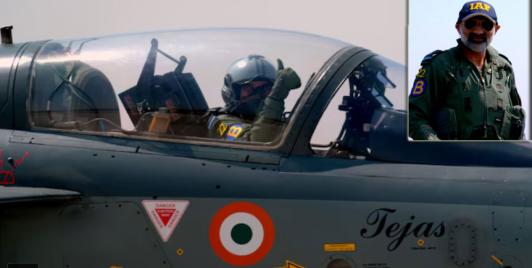
Air power will remain central to national security. Whether India has enough of it, in the right form, and can afford it in scarce dollars, is still an open question. ACM Singh is to be commended for his distinguished service and stellar leadership – and more importantly – rendering objective professional advice to the apex leadership, an increasingly rare trait in the current times.
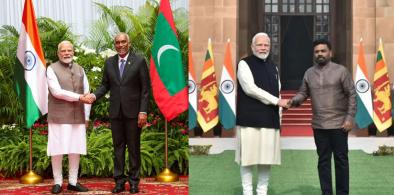
Under conditions of what is increasingly described as the "Great Fragmentation," Sri Lanka's geographic proximity to India should be viewed as a strategic advantage rather than a liability. Properly managed, this strategic reality could help transform Sri Lanka into a prosperous and stable nation.
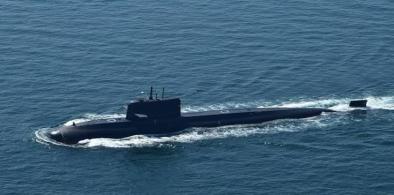
The September 27 firing is therefore best seen as the beginning of a new phase in Pakistan’s naval modernization. The larger strategic question is still open. Whether Hangor changes the regional maritime balance will depend on what comes next
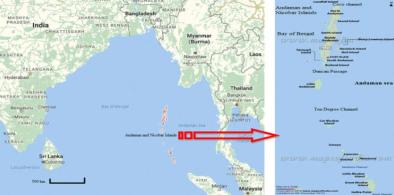
The Great Nicobar Island Development Project (GNIDP) is a mammoth venture by India to strategically strengthen its presence in the Andaman Sea and Southeast Asia with its own transshipment hub. The mega-infrastructure project spans approximately166.10 sq km covering about 15% of the total landmass of Great Nicobar Island at the southernmost tip of the Andaman and Nicobar archipelago.
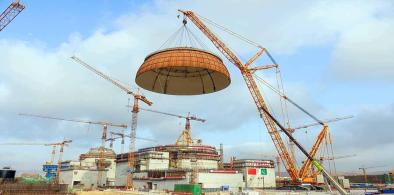
Karachi was the first Pakistani city to benefit from nuclear energy after KANUPP was connected to the grid. The inauguration of K-2 and now K-3 is a milestone in Pakistan’s quest to increase the share of clean nuclear energy.
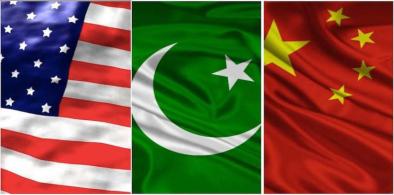
If US-Pakistan ties were to deteriorate further, Islamabad has limited options since Beijing in recent months has clearly shown that it will assist Pakistan in dealing with its economic problems only up to a point.
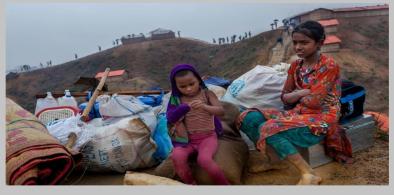
There has been an outpouring of support for ethnic minorities among protesters of the regime, particularly among the younger generation, who believe that a lasting peace in Myanmar can only be achieved if it includes all of Myanmar's citizens, regardless of class, ethnicity, or religious affiliation. This shift in empathy has also altered long-held perceptions of the Rohingya.
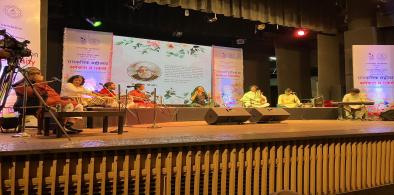
Such deliberations around the themes of interfaith harmony, pluralism, diversity, and solidarity bring hope, and perhaps signify the need and readiness among Indians to start reconsidering their nation’s pluralist legacy.
The first proactive approach for Pakistan should be to restore peaceful, friendly relations with India. Prime Minister Modi is fully focused on developing India industrially and economically and a war with Pakistan would be his last option. India and Pakistan are spending excessive resources on building their military warfare due to mutual suspicion. This helps neither India nor Pakistan.
India offers the opportunity to interconnect the Bangladesh, Bhutan, and Nepal electricity supply industries. The possibility of using Indian power infrastructure for electricity trade between Nepal and Bangladesh is another facet of India's neighborhood engagement.
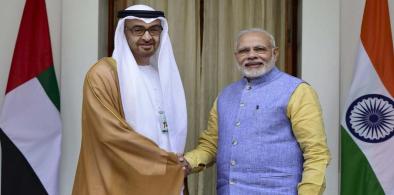
While the I2U2 – often referred to as the Middle Eastern Quad -- grouping is a strong illustration of changing landscape of the Middle East, and India's strong ties with all the other countries which are part of the grouping, the India-UAE-France trilateral is interesting because while all three countries have robust relations with the US, there are foreign policy divergences on a number of issues.
It is necessary for the two sides to revive their bilateral strategic dialogue, rather than just confining it to border negotiations. Both sides should also continue to attach importance to exchanging views and sending out positive signals through multilateral platforms like G20, SCO and BRICS.
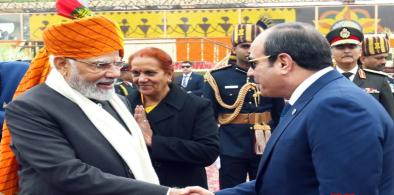
If Pakistan can capitalize on its close relations with Turkey in organizations like the OIC over the issue of Kashmir, India should look for possibilities to strengthen ties with its old friend Egypt whose leader Sisi has good relations with the United States, Israel and UAE. In other words, a new UAE- Israel- Egypt- India axis can be an alternative to the Pakistan- Iran-Turkey axis in an emerging global order.
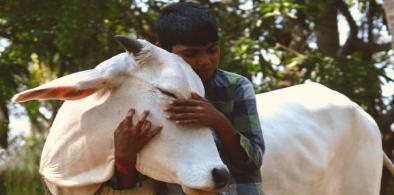
As such these groups are part of an oppressive, sectarian politics, which abhors the free choice of youngsters in particular. Real reasons for this intolerant behavior have to be looked for in their overall agenda to curtail liberalism, and pluralism, and to constrain the democratic ethos of the country.
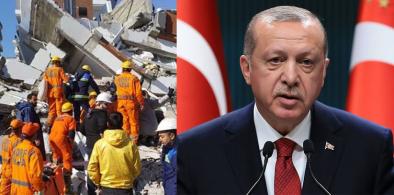
The duplicity of Erdogan and his dream of championing Islam in South Asia emanates from his close proximity with Pakistan, his appeasement of China and his bombastic statements to gain importance in the Muslim community. For now, India must tread cautiously and be prepared for what kind of Turkish delight its "dost" now prepares to serve in the earthquake's aftermath.
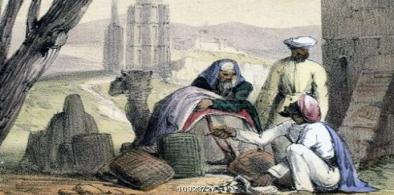
By 1844 shells were still coming from the Maldives to Ceylon (now Sri Lanka) and Bengal, but Chittagong (now Bangladesh) and Calcutta had now replaced Balasore as the destination. Finally, by the time of World War I, this cowrie trade between Maldives and Bengal region had died down.
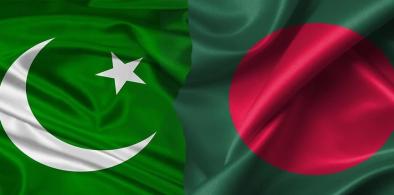
Current geopolitical realities imply that Pakistan must not interfere in Bangladesh’s internal affairs, nor question Bangladesh’s close ties with India, a country that has actively helped Bangladesh in its liberation, a relation that has passed the test of time and is historic.
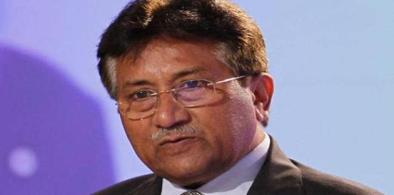
The India factor - and the burning desire to get even militarily for the East Pakistan debacle - loomed large in whatever he did or say, especially after he became the country’s Chief Executive Officer (CEO), a designation he gave himself after seizing power in 1999 and later, as the President.
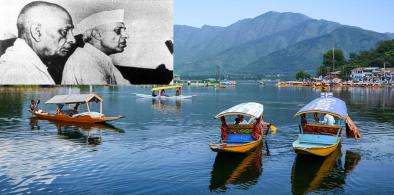
The march of the Indian army did save Kashmir from the marauding tribals (supported by the Pakistan army). The cease-fire was declared to protect civilians and also to ensure that a peaceful solution will emerge through the United Nations. The matter of being taken to the United Nations has been criticized, but that must have been the best option in that circumstance. Patel very much approved of it.