The question is can South Asia's political leadership take that flight of imagination to open the doors to cross-border cultural engagement and let the fusion of regional harmonies create a new cultural identity for South Asia?


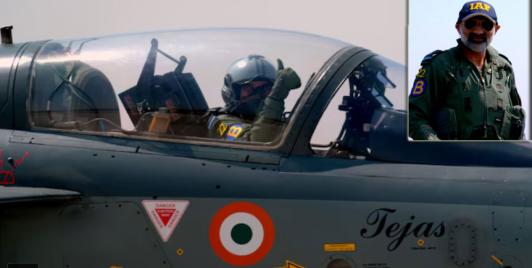
Air power will remain central to national security. Whether India has enough of it, in the right form, and can afford it in scarce dollars, is still an open question. ACM Singh is to be commended for his distinguished service and stellar leadership – and more importantly – rendering objective professional advice to the apex leadership, an increasingly rare trait in the current times.
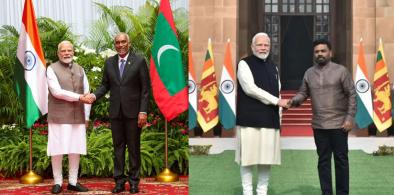
Under conditions of what is increasingly described as the "Great Fragmentation," Sri Lanka's geographic proximity to India should be viewed as a strategic advantage rather than a liability. Properly managed, this strategic reality could help transform Sri Lanka into a prosperous and stable nation.
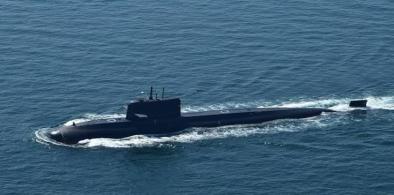
The September 27 firing is therefore best seen as the beginning of a new phase in Pakistan’s naval modernization. The larger strategic question is still open. Whether Hangor changes the regional maritime balance will depend on what comes next
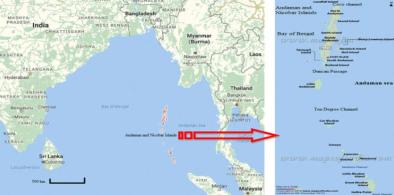
The Great Nicobar Island Development Project (GNIDP) is a mammoth venture by India to strategically strengthen its presence in the Andaman Sea and Southeast Asia with its own transshipment hub. The mega-infrastructure project spans approximately166.10 sq km covering about 15% of the total landmass of Great Nicobar Island at the southernmost tip of the Andaman and Nicobar archipelago.

The question is can South Asia's political leadership take that flight of imagination to open the doors to cross-border cultural engagement and let the fusion of regional harmonies create a new cultural identity for South Asia?

Pakistan currently ranks as the ‘second-worst’ among all 146 countries on the Gender Parity Index 2022, trailing only Taliban-ruled Afghanistan, which took the top spot. With over 5,200 women reportedly raped in 2021, the country has one of the lowest rape conviction rates in South Asia – less than 3 per cent.
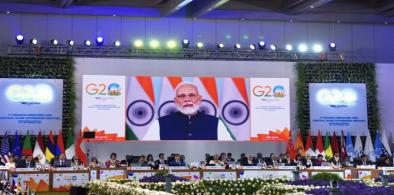
Modi should invite as special guests the literally-sinking SIDS - Vanuatu, Maldives, Sri Lanka and Singapore - as special guests to G20 along with former Maldivian president and present Majlis (parliament) speaker Mohamed Nasheed and Erick Solheim, former environment minister of Norway, who strongly connects South Asia’s climate future to global peace.
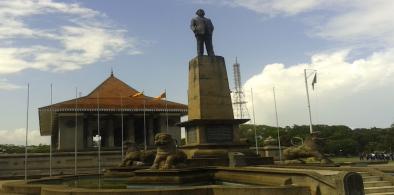
Perhaps India would be called upon to do the sub-contract for them under a deal that could be cooked up under the QUAD grouping that was set up in collaboration with India, Japan and Australia to contain China in what they call the Indo-Pacific. A geopolitical battle is certainly hotting up in the Indian Ocean, with IMF very much its centrepiece.
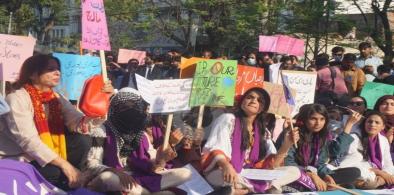
An exhibition based on actual incidents of sexual violence had clothing hanging from clotheslines, a poignant reminder of what rape survivors and victims were wearing when attacked. Approximately eleven women are raped every day in Pakistan.
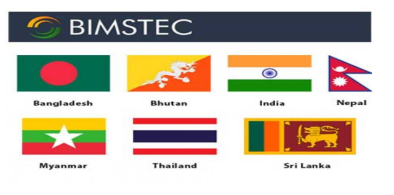
If the Bangladesh-Myanmar-Thailand-India trilateral highway project and the Bangladesh-China-India-Myanmar (BCIM) corridor were integrated, ASEAN members could access the markets of Bangladesh, northern India, and the Himalayan countries of Bhutan, and Nepal.
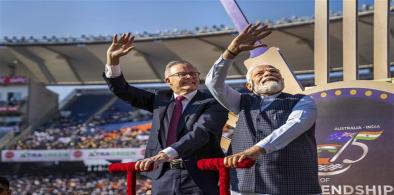
Higher education has emerged as an important linkage between both countries. As Australia seeks to reduce dependence on Chinese students, it would want to attract more Indian students.
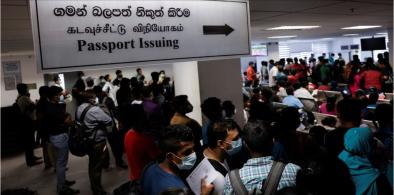
This craze for migration is going to have a huge detrimental effect on Sri Lanka as it will be left with very few skilled workers to develop and contribute to the Sri Lankan economy.
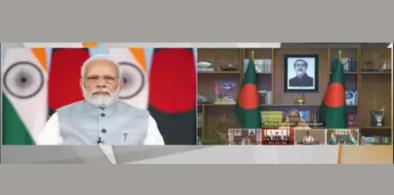
Bhutan and Nepal would also benefit from the pipeline project. The two nations will have the chance to take part in the regional energy market and have access to a reliable energy source. The BBIN region’s economy will grow as the pipeline project fits in with the region’s overarching goal of enhancing integration and connectivity in South Asia.
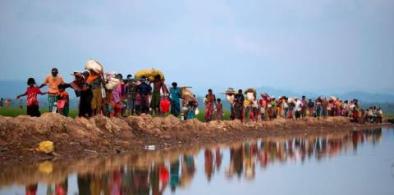
Acting under international pressure, Myanmar has apparently made the decision to reintegrate persecuted Rohingya based on nationality verification - with the repatriated Rohingya being referred to as "Bengali foreigners" - under the active supervision of international organizations and China, the United States, and EU countries.
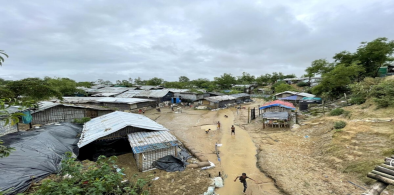
However, India, China, and other regional actors have yet to establish a firm position on the Rohingya repatriation process and peace talks to end the crisis in Myanmar. While the US is strongly supporting Bangladesh on the Rohingya issue, China and India’s geopolitical and geoeconomic interests in Myanmar have left Bangladesh to manage the Rohingya crisis alone.
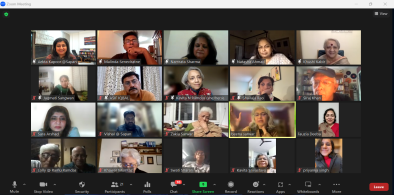
Kolkata-based Bangladeshi environmental activist Natasha Ahmed spoke about her cross-border marriage and the challenges she faces living in India with her husband and children. Her sister is married to a man of Pakistani origin. They face many complications meeting each other’s families due to the visa restrictions between India, Bangladesh, and Pakistan.
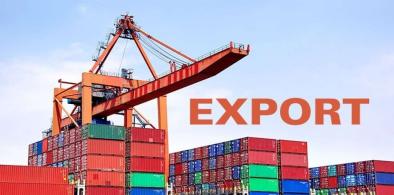
The data for South Asia shows that Maldives is the most globally integrated country in the region followed by Nepal, India, Sri Lanka, Bhutan, Bangladesh and Pakistan in terms of the average percentage of exports that formed part of the global value chain during the period 2019-2021.
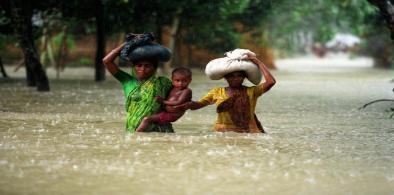
Women in Bangladesh often have limited access to financial services, which can make it difficult for them to cope with climate change impacts such as floods, droughts, or cyclones. Digital financial products such as mobile banking and digital savings accounts can help to overcome these barriers and increase financial inclusion among women.
This overbearing numbers-driven outlook has, so far, defined policy on international education. However, if India-Australia relations are to reflect a genuine partnership, the narrative needs to shift from transactional to transformational. This requires that the very purpose behind international education is dramatically rethought and altered.