India’s mainland is endowed with a long coastline of over 5500 km. All the areas situated near this coastline can get clean drinking water through dew condensation.


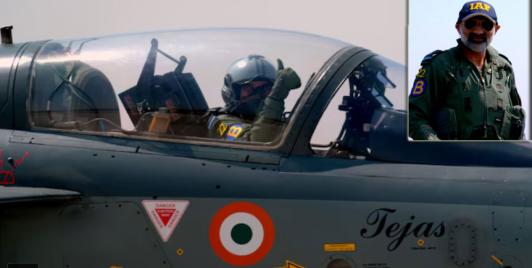
Air power will remain central to national security. Whether India has enough of it, in the right form, and can afford it in scarce dollars, is still an open question. ACM Singh is to be commended for his distinguished service and stellar leadership – and more importantly – rendering objective professional advice to the apex leadership, an increasingly rare trait in the current times.
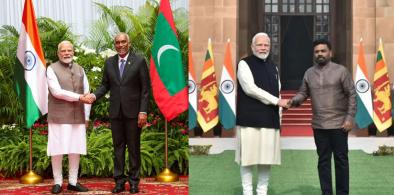
Under conditions of what is increasingly described as the "Great Fragmentation," Sri Lanka's geographic proximity to India should be viewed as a strategic advantage rather than a liability. Properly managed, this strategic reality could help transform Sri Lanka into a prosperous and stable nation.
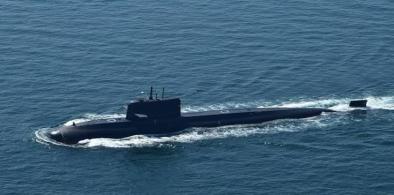
The September 27 firing is therefore best seen as the beginning of a new phase in Pakistan’s naval modernization. The larger strategic question is still open. Whether Hangor changes the regional maritime balance will depend on what comes next
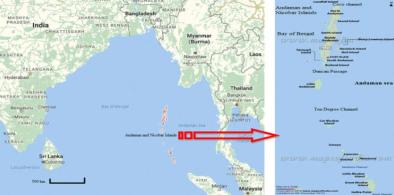
The Great Nicobar Island Development Project (GNIDP) is a mammoth venture by India to strategically strengthen its presence in the Andaman Sea and Southeast Asia with its own transshipment hub. The mega-infrastructure project spans approximately166.10 sq km covering about 15% of the total landmass of Great Nicobar Island at the southernmost tip of the Andaman and Nicobar archipelago.
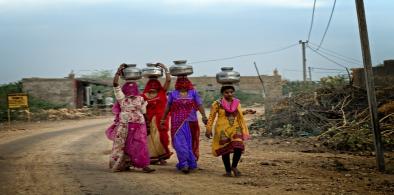
India’s mainland is endowed with a long coastline of over 5500 km. All the areas situated near this coastline can get clean drinking water through dew condensation.
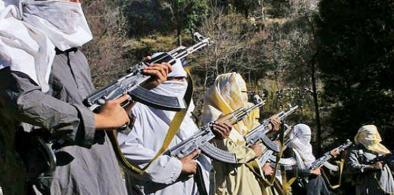
State-sponsored terrorism is often employed by smaller or weaker states to weaken bigger or stronger nations as it is more cost effective than traditional war. One of the most prominent examples of this could be the Kashmir issue between India and Pakistan
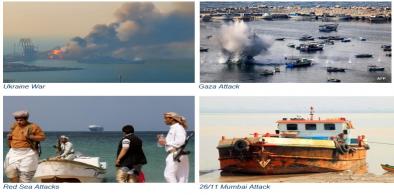
The drone attacks in the Arabian Sea recently are an indication of the high-tech means available to the non-state actors and it won’t take much time for them to acquire deadly underwater drones with explosives to carry out unimaginable attacks in a politically volatile IOR

The South Asian region has much to learn from the ASEAN experience in integrating investment, trade and movement of labour which includes a skilled workforce
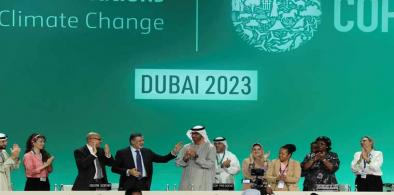
The word ‘just transition’ is not just about the historic climate injustice done to developing countries, but it also secures the rights and livelihood of workers working on old energy systems that would change to new systems
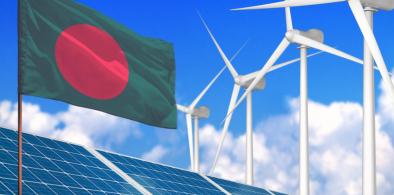
Bangladesh and other low-income industrialised nations shouldn't be forced to transition to a non-carbon (net zero) economy on the same timelines. The international community should give Bangladesh, the country most affected by climate change, a high priority in receiving financial resources for both adaptation and mitigation.
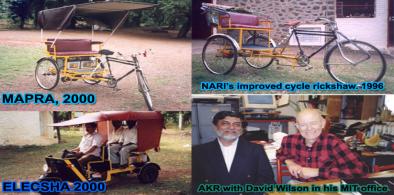
Even today the situation is no different. Most of the manufacturers make the rickshaw bodies here and fit them with imported motors, etc. from China. This is how e-rickshaw manufacturing has proliferated in India.

There is an interesting development of note in the US, which casts a shadow on free speech and political asylum in the Western world, with a direct bearing on the alleged covert intelligence operations by India in the North American continent.
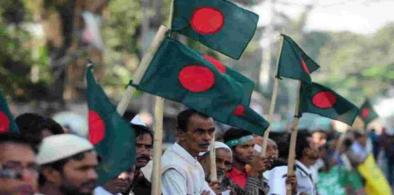
The upcoming election will also define Bangladesh’s relations with great powers, namely the USA, India, and China
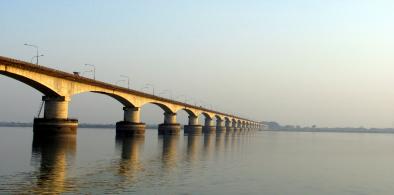
No other country in the world comes close to the hydro-hegemony that China has established. From Pakistan-occupied Kashmir to Myanmar’s troubled Kachin and Shan states, China has widened its dam building to disputed or insurgency-torn areas despite local opposition.
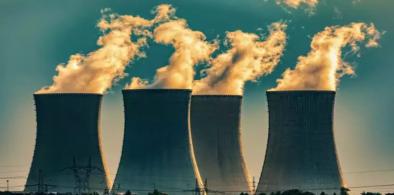
Germany's experience with nuclear energy serves as a valuable lesson, prompting Pakistan to intensify its pursuit of nuclear energy as a practical avenue for its energy needs
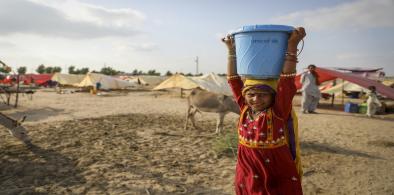
In 2022, an overwhelming 45 million children lacked access to basic drinking water services in South Asia, according to UNICEF
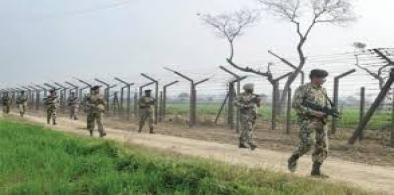
With the LoC and now even LAC active around the year conventional artillery might be supplemented with Hamas-type rockets, both by China and Pakistan, Pakistan in particular. India's vital military establishments and civilian targets are right across the LoC and vulnerable to such strikes. A few jihadis from Pakistan have already threatened India with a similar strike.
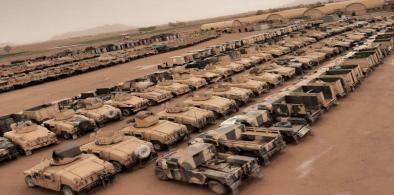
In Afghanistan, in addition to emitting millions of tons of carbon dioxide during the conflict, the US military footprint contributed more directly to the immediate destruction of the Afghan environment.
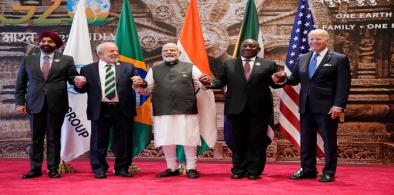
In a multipolar world, the relationships will be defined by the requirements in each separate space like security, economy, etc rather than gravitating wholesome to defined blocs.