The way this was done raises questions about whether Hindus have been spiritually awakened and also what this means for India as an avowedly secular, democratic country.


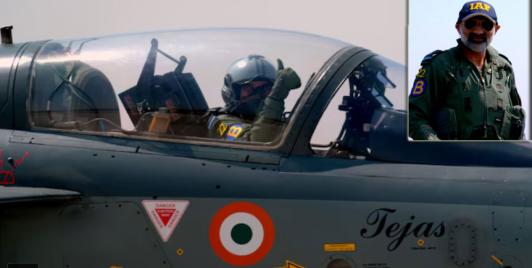
Air power will remain central to national security. Whether India has enough of it, in the right form, and can afford it in scarce dollars, is still an open question. ACM Singh is to be commended for his distinguished service and stellar leadership – and more importantly – rendering objective professional advice to the apex leadership, an increasingly rare trait in the current times.
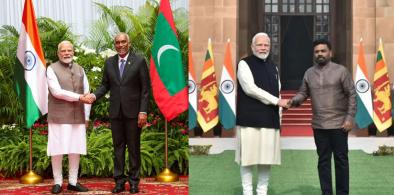
Under conditions of what is increasingly described as the "Great Fragmentation," Sri Lanka's geographic proximity to India should be viewed as a strategic advantage rather than a liability. Properly managed, this strategic reality could help transform Sri Lanka into a prosperous and stable nation.
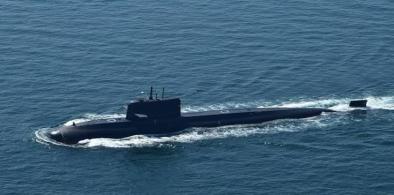
The September 27 firing is therefore best seen as the beginning of a new phase in Pakistan’s naval modernization. The larger strategic question is still open. Whether Hangor changes the regional maritime balance will depend on what comes next
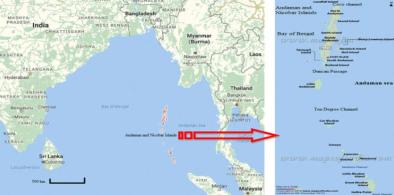
The Great Nicobar Island Development Project (GNIDP) is a mammoth venture by India to strategically strengthen its presence in the Andaman Sea and Southeast Asia with its own transshipment hub. The mega-infrastructure project spans approximately166.10 sq km covering about 15% of the total landmass of Great Nicobar Island at the southernmost tip of the Andaman and Nicobar archipelago.
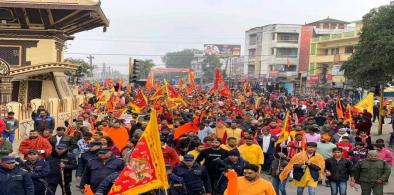
The way this was done raises questions about whether Hindus have been spiritually awakened and also what this means for India as an avowedly secular, democratic country.
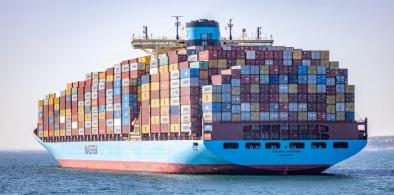
The protracted Red Sea crisis may hurt Bangladesh's exports, stoke inflationary pressures, and delay the recovery of the economy. Bangladesh’s apparel sector is highly dependent on the route, as nearly 70 percent of the country's clothes are exported to European countries

Worldwide sorghum is the fifth highest-produced grain crop and fourth in India. Nutritionally it is better than rice as it contains beta-carotene, folic acid, fiber, thiamine, and riboflavin.
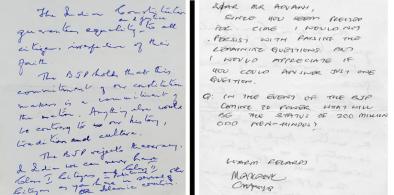
Advani was gracious enough to handwrite his answer in which he said, “The Indian Constitution guarantees equality and justice to all citizens, irrespective of their faith. The BJP holds that this commitment of our constitution makers is a commitment of the nation. Anything else would be contrary to our history, tradition and culture. The BJP rejects theocracy. In India, we can never have Class I citizens and Class II citizens as you have in Pakistan and several Islamic countries.”
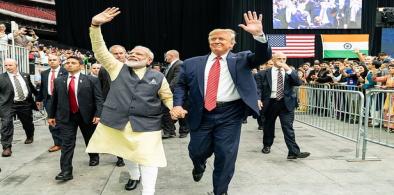
Trump took a broader view of the Indo-Pacific region and its role that aligned with India’s in a world where China assumes an increasingly aggressive posture towards neighbours and vies for global dominance. In his tenure, he extended the Pacific remit to the Indian Ocean, embracing India in the strategy for the region.

While the real issue of Ram temple is social, it is also a political play at its zenith. In a politically charged nation, what we see are distorted views of the developments in Ayodhya.

The adverse influence of uncontrolled social media in the relations between India and Maldives is a case in point. Social media poses an existential threat to the conventional methods of conducting governance, diplomacy, and warfare.
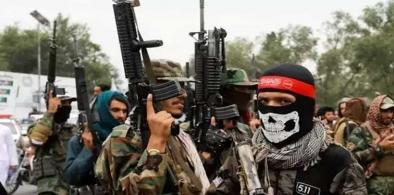
Al-Qaeda's strategic plan involves aiding "persecuted" Kashmiri Muslims once their objectives in Pakistan are achieved. Shifting the jihadist threat toward Kashmir will also align with the ambitions of the Pakistani military.

In India's close-knit communities, mental health struggles often face a deafening silence. According to a study by Deloitte, over 70 per cent of Indians use derogatory terms for mental disorders and nearly 40 per cent voice fear of a neighbour seeking help for mental health issues.
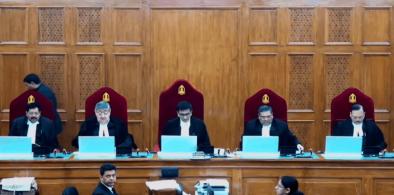
The recent passage of amended criminal laws in India highlights the challenges of human judges' adaptability, contrasting with the instantaneous application capabilities of robo-judges. COVID-19 accelerated technology integration in Indian courts, paving the way for the use of AI in judicial administration.
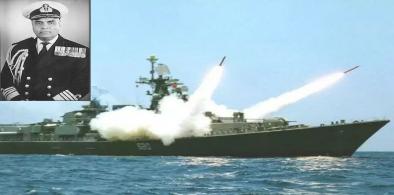
With the spectacular achievements of the Indian Navy in the 1971 war under the daring and decisive leadership of Admiral Nanda, he could well have been considered for being made Admiral of the Fleet. As this involves rectifying past oversights, there are already precedents.

The absence of a strong opposition can potentially pave the way for the ascendancy of authoritarian, dictatorial, or undemocratic forces within the country's political sphere.

Both DPI and AI are data-driven and integral to future human development. In 2024, India and the EU are looking to formulate a unified approach towards these two cutting-edge aspects of technology.
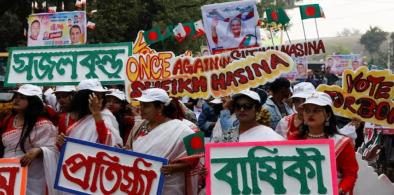
The large number of independent candidates winning in this election has shown new thinking in Bangladesh's politics. And the time may have come for political parties to rethink their candidate selection process.
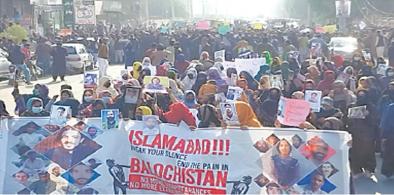
The judiciary, media, human rights activists and Baloch nationalist parties have almost exhausted their efforts in trying to persuade international institutions to intervene and end the sustained atrocities against the people of Balochistan.