







Are the Echoes of 1971 Growing Louder in Balochistan? Voices that Pakistan Refuses to Hear
The echoes of 1971 are not proof that Balochistan will become another Bangladesh. They are proof that Pakistan has yet to learn what East Pakistan was trying to tell it in the first place: that a state cannot indefinitely draw wealth from a people it refuses to hear.

The Geopolitics of the Dalai Lama Institution and Tibetan Reincarnation: China’s Quest for Control
In Tibetan society, the process of identifying reincarnations is understood as one of the most sacred expressions of rebirth. Although this tradition may be unfamiliar outside the Tibetan Buddhist world, it is deeply rooted in Tibetan religious culture. Communist China remains fundamentally alien to this traditional reincarnation system.

China’s Troubled Relations with its Maritime Neighbors: A Military Necessity or Violation of Classical Geopolitics?
This tactical aspect of nuclear counter-attack is perhaps the foremost reason why China reckons it needs absolute control over the South China Sea. China’s troubled relations with its maritime neighbors are, from its perspective, a necessary cost it has to pay for its national security.

From Odesa to Oman: The Lethal Cost to Merchant Mariners
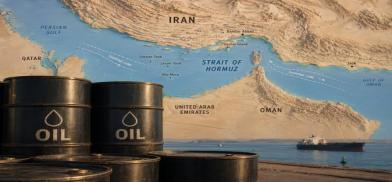
When dominant military powers prioritise the enforcement of economic blockades, the legalities of merchant shipping and the safety of non-combatant crews are treated as secondary operational variables. No country can fully insulate its civilian seafarers from these realities.