India has called for joint action by technology companies and nations to stop the disinformation campaigns that are endangering the lives of millions


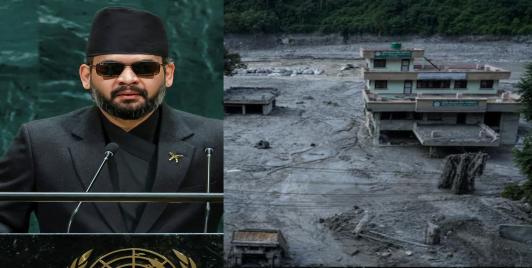
Nepal's PM proposed a "Himalayan Climate Resilience Mechanism, led by Nepal, India and China. Through this mechanism”, the countries could “share satellite data and expertise.” This could be a good initiative, as it would help predict disasters and prepare for them.

South Asia’s climate risks are shared across countries. Rivers such as the Ganga, Brahmaputra and Indus do not respect national boundaries, and torrential rains in one country can lead to floods in another. Satellite data, flood forecasts and flood warnings could, therefore, be shared to enhance disaster preparedness across the region.
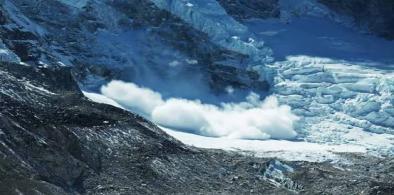
The disasters at Kedarnath and Nepal should therefore be read not simply as tragedies of the past or isolated episodes of extreme weather. They are warnings from a changing mountain system. The question before South Asia is whether we will continue to respond to each disaster after it occurs, or whether we will listen to what the mountains are telling us beforehand.
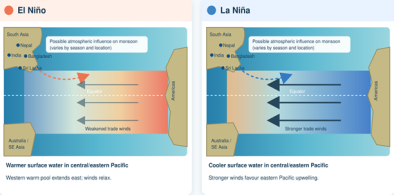
AI may genuinely extend the horizon over which seasonal climate risk can be estimated. For communities across South Asia living under the influence of the monsoon, a longer view could mean the difference between a farmer adjusting her planting in time and a family receiving a flood warning too late to act.
India has called for joint action by technology companies and nations to stop the disinformation campaigns that are endangering the lives of millions
Take-Home ration will now be manufactured and supplied through women self-help groups (SHGs) in Uttar Pradesh, India's most populous state
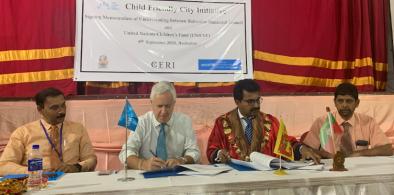
Batticaloa Municipality and the United Nations Children’s Fund (UNICEF) have formally signed a Memorandum of Understanding (MOU) to support the establishment of Sri Lanka’s first Child-Friendly Municipality
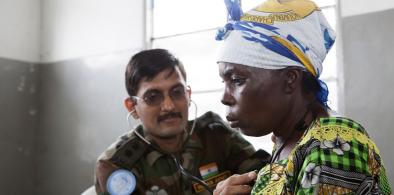
India is contributing two teams of 30 specialists to fortify medical facilities in UN peacekeeping operations in South Sudan and the Democratic Republic of Congo (DRC) to meet the COVID-19 challenge, according to India's UN mission
Pakistan reminded India on Friday that Kashmir cannot be removed from the agenda of the UN Security Council (UNSC), which was committed to resolving the issue according to the wishes of the Kashmiri people
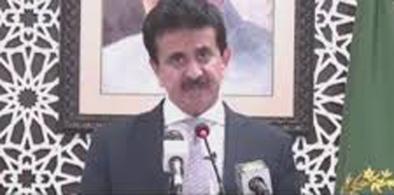
Pakistan on Thursday regretted the politicisation of the United Nations sanctions regime after five UN Security Council members blocked its bid to get two Indians accused of terrorism here listed
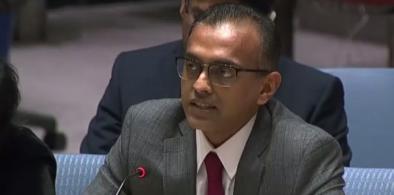
India, along with Brazil, Germany and Japan, has served an ultimatum that the supporters of Security Council reforms will be forced to look for other ways to move the process forward if the UN's Intergovernmental Negotiations (IGN) for reform continues to be “held hostage” by those opposing change
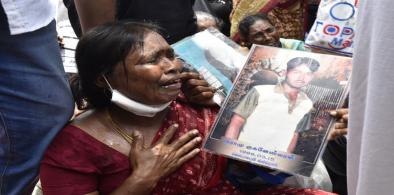
The United Nations has expressing solidarity with the families of missing persons in Sri Lanka emphasized that the security and safety of families of victims must be safeguarded

United Nations Children Fund Nepal today issued a report simultaneously from Kathmandu and New York stating that more than two-thirds of Nepali schoolchildren have been deprived of distance learning
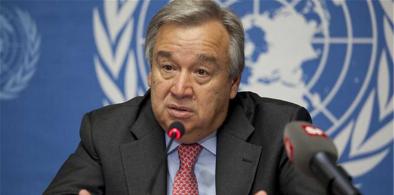
India can lead the world's transformation to clean energy and become a “global superpower” in the war on climate change, UN Secretary-General Antonio Guterres said on Friday
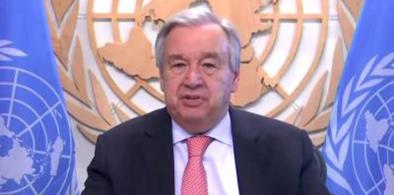
UN Secretary-General Antonio Guterres is to renew his call to India and the other G20 countries to channel their COVID-19 recovery investments to clean, sustainable development, according to his Spokesperson Stephane Dujarric

United Nations Development Programme (UNDP) and the Ministry of Economic Development, on Tuesday, released the final report of the Rapid Livelihood Assessment on COVID-19 impacts in Maldives, revealing that Micro, Small and Medium-sized Enterprises (MSMEs) suffered the worst of the economic repercussions this year
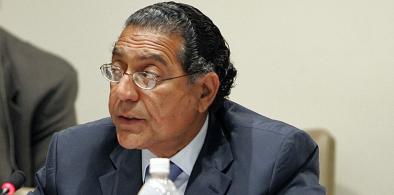
Isolated at the UN, Pakistan faked a speech to the Security Council posting it on the website of its permanent mission pretending it was delivered even though its ambassador did not speak at the session on terrorism
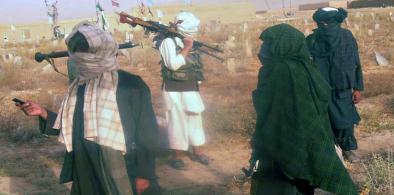
The Pakistan government has issued ‘a statutory notification’ ordering full compliance with the United Nations’ Security Council sanctions against Afghan Taliban and Haqqani Network, according to the document that got public attention on Friday
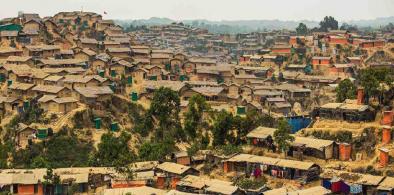
The United Nations has featured Bangladeshi architect Rizvi Hassan as 'Real-Life Hero' on its website, to appreciate his contribution in building a safe space for Rohingya women refugees