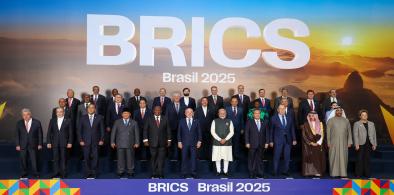
BRICS leaders

India, BRICS Fail the Iran Test: It Could Seek to Bridge Divides

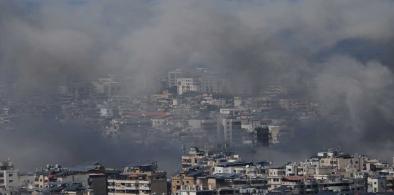
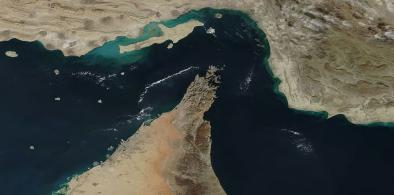
For India, the failure is particularly significant as its presidency was an opportunity to translate “strategic autonomy”, the current buzzword in foreign policy circles, into multilateral leadership. True, its response is shaped by structural constraints. The country imports more than 85% of its crude oil, much of it from West Asia and Russia. Some nine million of its citizens live in the Gulf. The United States is its largest trading partner. Iran anchors the Chabahar port project and India’s access to Afghanistan and Central Asia. Each relationship is too consequential to risk.

Bhutan Under China’s Doklam Shadow: Delhi Needs to Move Away From Protector-Protected Dynamic With Thimpu

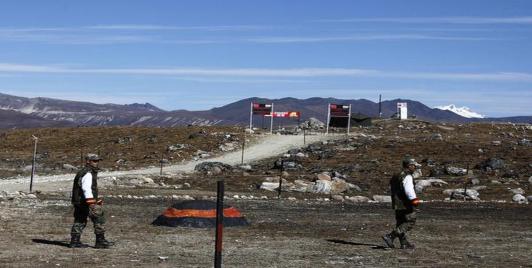
A key consideration for Delhi is Bhutan’s occasional denial or downplay of any Chinese encroachment on its territory, even when satellite data suggests otherwise. This is coupled with a growing perception within Bhutan that India is preventing it from completing its border negotiations with China. Although Thimphu remains closely aligned with Delhi, there is growing interest in expanding its engagement with China.

AI in Elder Care: Potential for Broader Social Transformation

For India, the opportunity is significant as its robust digital infrastructure and large demographic dividend can create a significant opportunity for adoption and deployment of Artificial Intelligence across sectors, particularly in the care economy. There is an ample room for the development of age-friendly products and services using AI innovation which are of scalable commercial value.

South Asia's EdTech Moment: Centre of Gravity of Global Education is Shifting

South Asia's higher education ecosystem — with over 1,500 universities and 60 million enrolled learners — is uniquely positioned to absorb and scale new models: work-integrated degrees, on-demand micro-credentials, lifelong learning. The Global South — Africa, Southeast Asia, Latin America, the Middle East — shares the same structural challenges. The solutions that work at scale in India, Bangladesh or Nepal will travel naturally to these geographies.

More on Spotlight

From Equality to Equity: Rethinking Feminism in the Era of Climate Change

Women’s experience and role often remain invisible in global climate discussions. Representatives of major countries discuss economics and technology at international conferences, but the real suffering of local women is not included. Yet women know how to save seeds in farming, conserve rainwater, or save families during disasters.

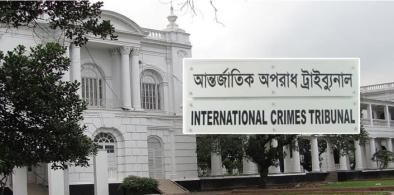
Bangladesh’s Dangerous Game: Alienating Tribals Can Have Far-Reaching Regional Consequences

Bangladesh risks not just unrest in its hills but becoming an unwilling participant in a global proxy war. The fires of Khagragachi may be small compared with the wars across the border, but left untended, they could burn far beyond Bangladesh’s control.

Shenanigans In Dubai: Can A Cricket Match Be Equated With War Where Lives Are Lost?

The question now is will these idiocies continue with the first India-Pakistan match of the 2025 Women’s World Cup scheduled on October 5, 2025. There may be more India-Pakistan matches in this series. Besides, the 2028 Summer Olympics in Los Angeles also includes cricket.

Thanks to Trump, An Opportunity for India to Overhaul Its World View

While India will hope to repair broken relations with the US, this is a defining moment when we are likely to witness the designing of a strategically decisive foreign and security policy. The Act East policy will, certainly, grow stronger reflecting the reality of the Rising East.  

Is an Islamic security bloc in the making post Saudi-Pakistan defense pact?

The Sharif-Yunus meeting, albeit routine, acquires a sharper edge because both Pakistan and Bangladesh are at loggerheads with India. The pervasive sense right now is that New Delhi is diplomatically besieged even as Islamabad craftily navigates its way out of its staggering economic crises and perpetually fractious polity.

Muhammad Yunus’ Islamist blueprint: Bangladesh at the edge of a security collapse?

Bangladesh stands at a knife’s edge. Yunus’ Islamist-driven regime, cloaked in the language of reform, is orchestrating the most dangerous assault on the country’s security in decades. Its outcome will not remain confined to Dhaka. It will destabilize India, threaten the Gulf, embolden jihadists, and export terror into the West.

Sports as a Bridge to Peace and Recovery in Kashmir

The popularity and the momentum of sports activities, especially the major sporting events, have played a significant role in healing the wounds of a region that has witnessed years of chaos and disturbance. Through the excitement of sports, the joy of victories, and the sense of unity they create, sports have become more than just games; they are a source of hope, resilience, and social inclusion. 

We Cannot Veto Our Children's Future: How Our Collective Inaction On Climate Change Is The World's Most Devastating Veto

The war in Gaza demands a ceasefire. So does our war on nature. It demands Net Zero. IPCC has written the resolution for this ‘ceasefire’. This is not a metaphor. We are extracting, polluting, and emitting our way to collective suicide by adding fossil fuel on the spreading wildfire.

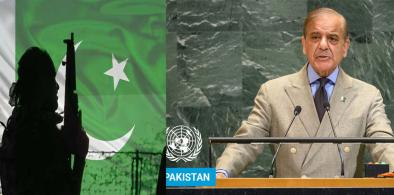
Saudi Arabia-Pakistan Security Pact Has Strategic And Economic Ramifications

By outsourcing its defence to Pakistan and, indirectly, to China, Riyadh has loosened its obligations. Freed from Washington’s security leash, the Saudis can theoretically price oil in whatever currency they choose. The fact is that any disruptions in the riyal-dollar relationship would risk global financial equilibrium and undermine investor trust in the greenback.

Saudi-Pakistan defense pact has profound implications for India, Middle East

In broader geostrategic terms, the defense pact is also an indicator of growing apprehensions in the Middle East about the United States as a reliable security guarantor any longer. It is also possible that Washington may have at least tacitly approved of the defense pact.

Nepal Needs Change: Protests Must Transition To Productivity And Renewal

Nepal's dependence on remittances and decades of corruption, unemployment, and political stagnation came to a head during the Gen Z protests, which cost the lives of 72 people. Their sacrifice must lead to a ten-pillar change that turns vandalism into rebuilding, corruption into trust, and protest into the start of Nepal's renewal.

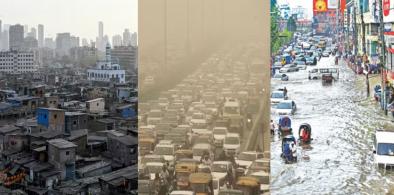
Trans-Border Rains: How Climate Change is Drowning India and Pakistan

Shared river systems, shared vulnerabilities, and shared futures mean that India and Pakistan must set aside hostility and cooperate on vital planetary issues. Equally, both must press the world’s richest polluting nations to deliver on promised climate finance. The deluge is already here.

Trade Wars Are Less About Tariffs, More About Power: India’s Strategic Autonomy in a Shifting World

Yet India’s response is neither impulsive nor reactionary—it is rooted in a long tradition of strategic autonomy. From Nehru’s Cold War non-alignment to today’s “multi-alignment,” successive governments have insisted on freedom of action, refusing to let outside powers dictate India’s role in the world. This ethos, born of colonial subjugation, now guides New Delhi’s diversified diplomacy

Is Digital Colonialism Changing South Asian Politics Through Youth?

Apart from these conspiracy theories, one fact is apparent: Digital platforms, particularly those owned by Facebook and Twitter (X), are playing a drastic role in launching, organizing and supporting socio-political movements and revolutions in South Asia where these developing countries, already marked by high-debt dependency, poverty, unemployment, poor governance, corruption, and illiteracy, are heavily reliant on international INGOs, NGOs, foreign aid, funds, and loans.

The Greenium Paradox: Can South Asia Align Climate Finance with Investor Demands?

In June 2025, Sri Lanka’s DFCC Bank broke new ground as the first foreign corporation to list a green bond on India’s NSE International Exchange in GIFT City. The $8 million bond financed solar energy projects aligned with Sri Lanka’s 2030 renewables target. By securing a dual listing in Luxembourg and aligning with ICMA’s Green Bond Principles, DFCC broadened its international investor appeal and demonstrated how green finance can support debt stressed economies.