So, with the recognition of international obligations, the states could adopt a unanimous disaster/pandemic risk governance system to enable disaster preparedness and risk reduction mechanisms, writes Jivesh Jha for South Asia Monitor


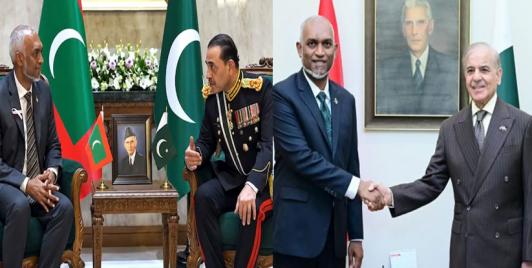
The Maldives, like other small states, has an interest in diversifying its international partnerships, widening its economic choices and retaining room for diplomatic manoeuvre. Engagement with Pakistan does not necessarily come at India's expense

Three days of dialogue, debate, and engagement in Dhaka reinforced a sobering reality: despite ongoing discussions about multipolarity, middle powers, and strategic autonomy, great powers continue to shape the choices available to smaller states.
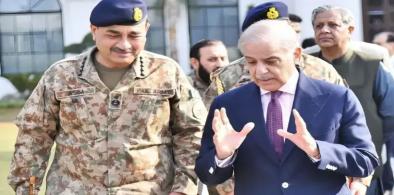
It would be simplistic to assume that every retired general appointed as an ambassador is an instrument of Asim Munir's influence. It would be equally complacent to dismiss the wider institutional implications of placing so many former military officers in diplomatic positions across several regions.

Arunachal Pradesh presents a particularly important dimension of the problem. China claims the northeast Indian state, refers to it as Zangnan, or South Tibet, and periodically challenges India's sovereignty through statements and the assignment of Chinese names to places within the state.
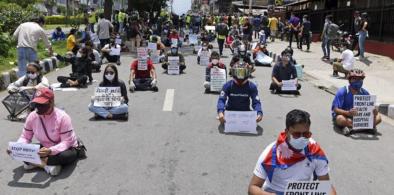
So, with the recognition of international obligations, the states could adopt a unanimous disaster/pandemic risk governance system to enable disaster preparedness and risk reduction mechanisms, writes Jivesh Jha for South Asia Monitor

Within the four sub-regions of South Asia, Bangladesh, India, Nepal, and Bhutan will be doing better as compared to other countries of the region, writes Partha Pratim Mitra for South Asia Monitor
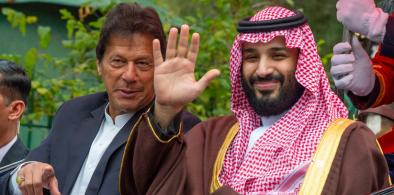
The growing burden of public debt remains a major source of vulnerability for Pakistan, especially when it has to borrow more and more to service its existing obligations, both domestic and foreign, writes N Chandra Mohan for South Asia Monitor
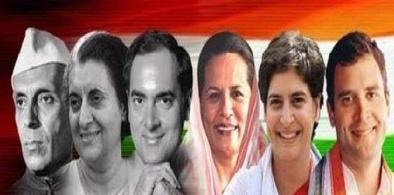
Can the ailing Sonia, a supposedly abrasive Rahul and a Priyanka carrying the burden of a tainted husband be inspirational? Or will the 135-year-old party slowly sink into oblivion to fulfil the BJP’s dream of a Congress-mukt (free) India? writes Amulya Ganguli for South Asia Monitor
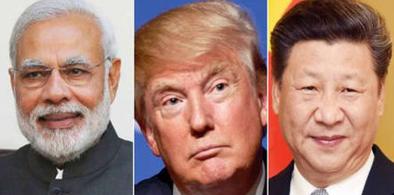
China is also aware of India joining the US camp if driven too hard, apart from the increasing realisation that India is no longer a soft state and will stand resolutely and be prepared to fight when its core national interests are threatened, writes Lt Gen P R Kumar (retd) for South Asia Monitor

For Kashmiri Pandits, Hindus, Sikh, and some Muslim migrants to be resettled meaningfully in the Valley, there is a need for a booster dose of political will, writes Anil Bhat for South Asia Monitor
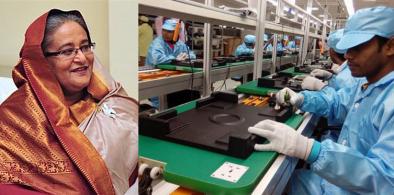
The question is whether these initiatives are really sufficient enough to effectively lead Bangladesh in the next 21 years and are we in a position to set a comprehensive plan for short, mid and long-term mission to achieve the vision covering all sectors, writes Dr. Mohammad Rezaul Karim for South Asia Monitor
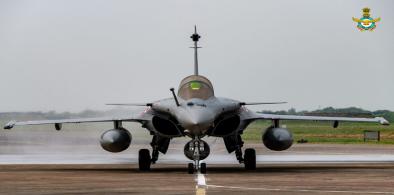
As the scars of the recent border clash between China and India are still afresh and the tug of war between Pakistan and India over Kashmir continues, security concerns for each nation will continue to rise, writes Megda Bharadwaj for South Asia Monitor
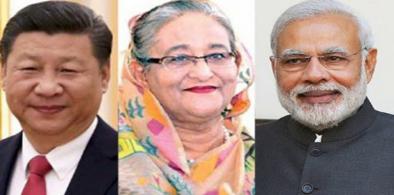
Bangladesh has two such neighbors - India and China - who are both trying to establish their prominence on their shared boundaries while also trying to get a powerful grip over South Asia, writes Tasmiah Nuhiya Ahmed for South Asia Monitor
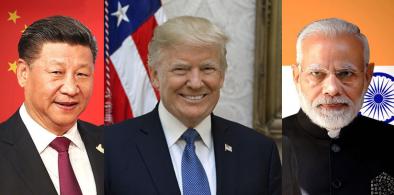
The reshuffling of the deck internationally is taking place, and it will be interesting to watch it play out, and especially how India, and other South Asian countries, maneuver through the geostrategic maze, writes Lt Gen P R Kumar (retd) for South Asia Monitor
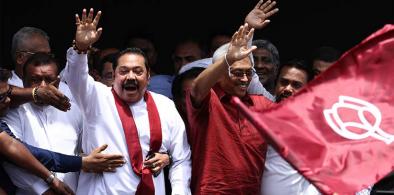
India must try and upgrade its ties with Sri Lanka to the level of strategic partnership, writes Pranay Kumar Shome for South Asia Monitor
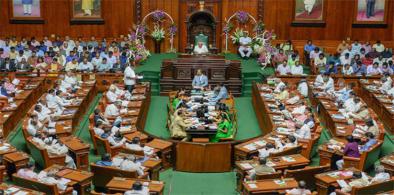
During the last 25 years both these so-called high constitutional offices have repeatedly come under judicial scrutiny and invited adverse comments from the Indian courts, writes Vinod Aggarwal for South Asia Monitor
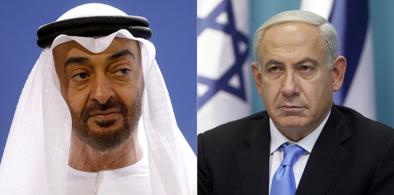
More Gulf States inking peace with Israel will upset Chinese plans to upstage Saudi Arabia’s position in the Organization of the Islamic Cooperation (OIC) and replace it with Turkey, using Pakistan as the handle, writes Lt Gen P. C. Katoch (retd) for South Asia Monitor
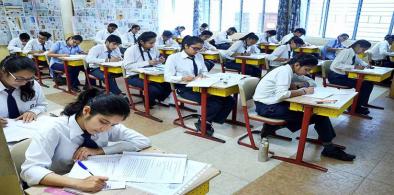
What the Indian government has put forward is a grand vision and policy framework. It reflects the government’s aspirations as to where it would like to see learning, education, teaching, and research, writes Amit Dasgupta for South Asia Monitor
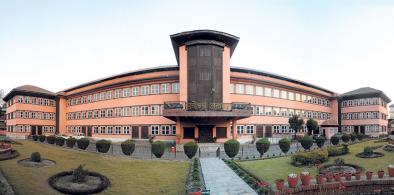
The non-compliance of court orders would not only lower the public confidence on the judiciary in Nepal, but it will also pose threats to judicial credibility and rule of law, writes Jivesh Jha for South Asia Monitor