India-Bangladesh relations have grown deeper and wider in scope in the past decade. But irritants and hitches can develop between neighbours with even the best of ties, writes Shubha Singh for South Asia Monitor


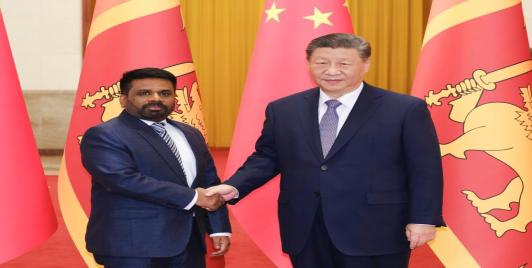
China’s growing influence on small countries thus extends far beyond trade and infrastructure. It shapes debates on governance, challenges democratic norms, and pressures sovereign states to align with Beijing’s priorities. For nations like Sri Lanka and Nepal, the dilemma is stark

Here is something that is perhaps not widely reported. According to this account, Iranian forces were able to destroy a significant part of the logistics infrastructure supporting these large carrier operations. They struck the central logistics hub in Bahrain very early in the conflict.

Bangladesh's Prime Minister need not visit India simply to keep relations cordial, but when engagement can advance its interests, refusing engagement becomes a cost of its own. The objective should be to preserve leverage through engagement, not to mistake rigidity for leverage.
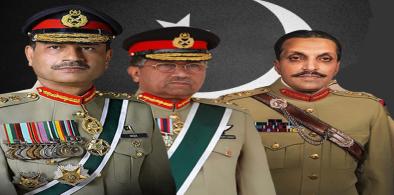
However, the political situation has gradually begun to show currents that may move against Munir. The Supreme Court of Pakistan’s order to shift former Pakistan Prime Minister Imran Khan, Munir’s arch-rival, to a private hospital and the statement by the US Ambassador to India, Sergio Gor affirming that J&K is "an important part of India", reinforces the impression of classic temporariness and limited strategic relevance of Pakistan in US-Pak relations.
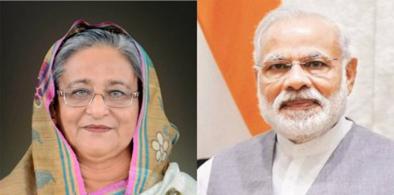
India-Bangladesh relations have grown deeper and wider in scope in the past decade. But irritants and hitches can develop between neighbours with even the best of ties, writes Shubha Singh for South Asia Monitor

It can safely be concluded that 2020 is the year the Indian American community has become relevant in American politics, writes Frank Islam for South Asia Monitor
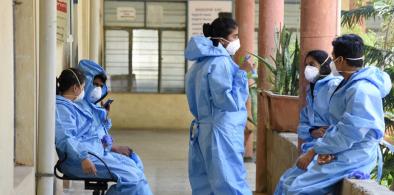
Oncologists across the world have expressed concern over the probability of rising cancer mortality and morbidity, not because of the coronavirus pandemic per se, but because of the inability of the healthcare system to treat cancers as it normally should, writes Dr (Col) R Ranga Rao for South Asia Monitor
Bangladesh takes a neutral position to whatever happens between the two Asian giants, but Chinese President Xi Jinping's growing influence and strong defence ties with Bangladesh are making India concerned, writes Sarmin Akhter for South Asia Monitor
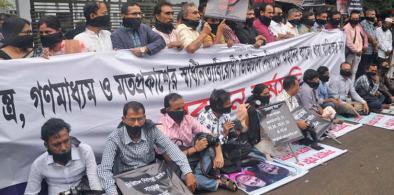
Using the controversial Act as a tool the Bangladesh government has tried to keep surveillance on journalists, and also to repress and muffle the independent voices in social media and traditional mass media, writes Aashish Kiphayet for South Asia Monitor
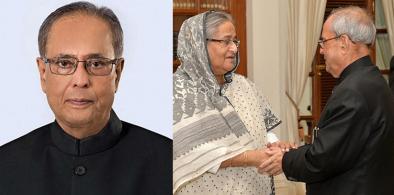
That Mukherjee influenced former prime minister Manmohan Singh’s decision to grant Bangladesh a billion dollars, the highest India had then extended to any single country, and that the amount was almost tripled when Hasina-led Bangladesh absorbed it all, is not very well known, writes Mahendra Ved for South Asia Monitor
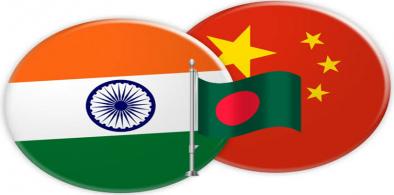
India and China will do their best to edge each other out in their competition for dominance in the Bay of Bengal and will try to squeeze an economically weak Bangladesh, writes Lt Gen PR Kumar (retd) for South Asia Monitor
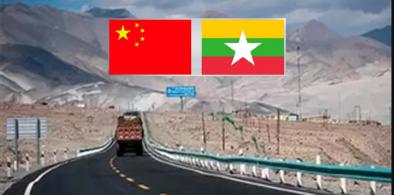
Despite all this, Myanmar should expect China to keep tightening its vice-like grip using terrorists, writes Lt Gen Prakash Katoch (retd) for South Asia Monitor

Dubbed “Witches of Pakistan,” Churails are about four feisty women who seek to chase and expose men engaged in infidelity, writes Mahendra Ved for South Asia Monitor
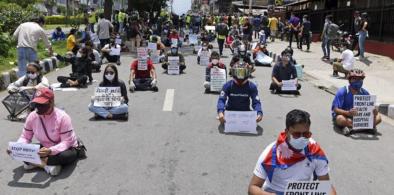
So, with the recognition of international obligations, the states could adopt a unanimous disaster/pandemic risk governance system to enable disaster preparedness and risk reduction mechanisms, writes Jivesh Jha for South Asia Monitor

Within the four sub-regions of South Asia, Bangladesh, India, Nepal, and Bhutan will be doing better as compared to other countries of the region, writes Partha Pratim Mitra for South Asia Monitor

The growing burden of public debt remains a major source of vulnerability for Pakistan, especially when it has to borrow more and more to service its existing obligations, both domestic and foreign, writes N Chandra Mohan for South Asia Monitor
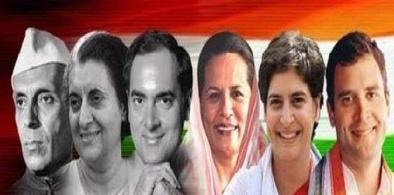
Can the ailing Sonia, a supposedly abrasive Rahul and a Priyanka carrying the burden of a tainted husband be inspirational? Or will the 135-year-old party slowly sink into oblivion to fulfil the BJP’s dream of a Congress-mukt (free) India? writes Amulya Ganguli for South Asia Monitor
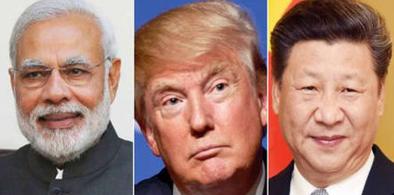
China is also aware of India joining the US camp if driven too hard, apart from the increasing realisation that India is no longer a soft state and will stand resolutely and be prepared to fight when its core national interests are threatened, writes Lt Gen P R Kumar (retd) for South Asia Monitor

For Kashmiri Pandits, Hindus, Sikh, and some Muslim migrants to be resettled meaningfully in the Valley, there is a need for a booster dose of political will, writes Anil Bhat for South Asia Monitor