Scarcely a day passes without news of a big-ticket acquisition or investment by Reliance or Adani biting into every lucrative business venture in India and South Asia, writes N. Chandra Mohan for South Asia Monitor


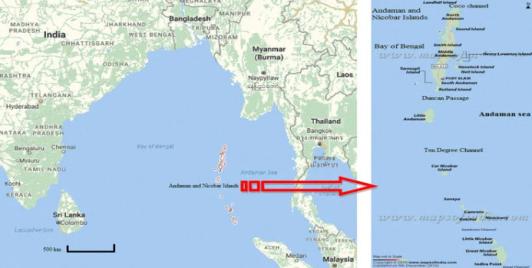
The Great Nicobar Island Development Project (GNIDP) is a mammoth venture by India to strategically strengthen its presence in the Andaman Sea and Southeast Asia with its own transshipment hub. The mega-infrastructure project spans approximately166.10 sq km covering about 15% of the total landmass of Great Nicobar Island at the southernmost tip of the Andaman and Nicobar archipelago.

An Emirati airline, an Indian captain, Israeli passengers, and Saudi authorities all played a part. India, re-elected to the ICAO Council last year, is well placed to push these standards into global aviation rules. The best tribute to Captain Machchhar is making sure the next crew never needs a hero.
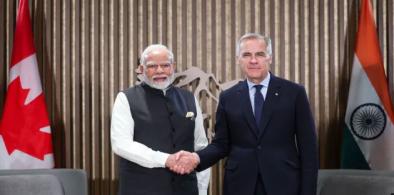
Canada hosts close to 1.9 million persons of Indian Origin (PIOs) and 3% of Canada’s population, one of the largest ethnic groups in Canada’s multiethnic and multicultural society. Although immigration policy of Canada has tightened in recent years, yet a lot of students who study in Canada prefer to stay back and work in Canada acquiring permanent residency and citizenship.
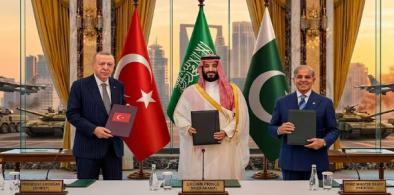
It would also explain why Pakistan is trying to preserve a distinction between supporting Saudi Arabia and fighting the Houthis. Pakistan has every reason to avoid another open-ended conflict in the Middle East. Its military is heavily committed to its own security challenges. Its economy cannot easily absorb the political and financial consequences
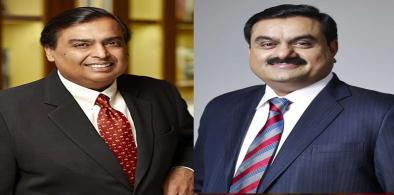
Scarcely a day passes without news of a big-ticket acquisition or investment by Reliance or Adani biting into every lucrative business venture in India and South Asia, writes N. Chandra Mohan for South Asia Monitor
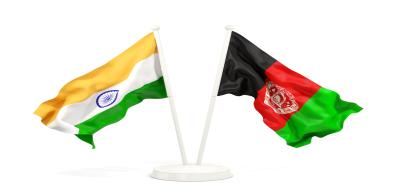
Chances are that the churn in Afghanistan may end up singeing those who take an intrusive interest in its affairs, writes Amb Rajiv Dogra (retd) for South Asia Monitor

The values that are glorified today ironically are those that were always held anathema by classical Hindu society - majoritarianism, intolerance, hatred, and revanchism, writes Tarun Basu for South Asia Monitor
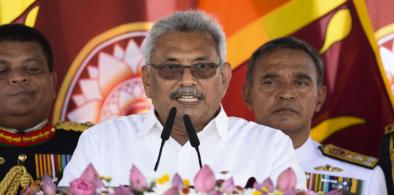
Amid shortages of even essential goods and runaway inflation, Sri Lankan President Gotabaya Rajapaksa’s image has taken a solid beating, writes P. Jayaram for South Asia Monitor
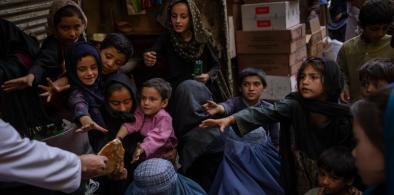
Bangladesh – which has in recent times extended loans to Sri Lanka and the Maldives – is also home to about 1.1 million forcibly displaced Rohingya refugees from Myanmar, writes Samina Akhter for South Asia Monitor
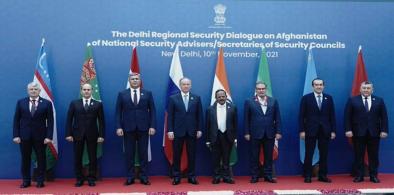
If Afghanistan does not witness a modicum of internal stability, adherence to human values and shuns terrorism of all hues, not only the region but beyond too will be impacted adversely, writes Lt Gen Kamal Davar (retd) for South Asia Monitor
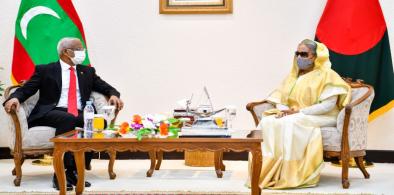
Hasina's visit to the Maldives is in keeping with Bangladesh's larger aspirations, writes Ozair Islam for South Asia Monitor

Fairness, sustainability and dialogue must be cornerstones of any climate change policy, not a dialogue bogged down by Westernized notions, write Nishtha Gupta and Aditya Matolli for South Asia Monitor
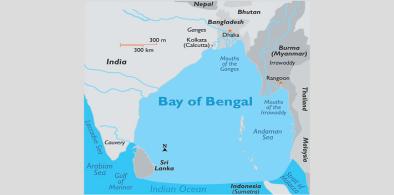
Whether Bangladesh is involved in the Indo-Pacific Strategy or Belt and Road, it must maintain peace and rule of law to reap maximum economic benefits from the Bay of Bengal, writes Pathik Hasan for South Asia Monitor
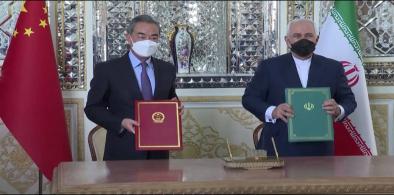
The China-Iran partnership scenario is not a product of coincidental political and trade decisions over the years, but rather a part of a carefully crafted policy, writes Ivaylo Valchev for South Asia Monitor
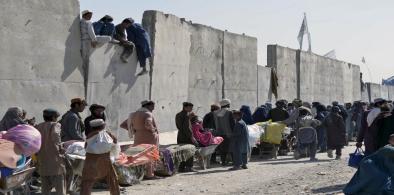
Support to the Pakistan Taliban and Afghan Taliban is rebounding on Islamabad as both Talibans don’t recognize Durand Line and want Pakistan to be Sharia-ruled, writes Lt Gen P. C. Katoch (retd.) for South Asia Monitor
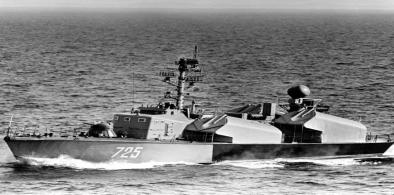
The Killer Squadron traces its genesis to the 1971 war when it took part in operations that enabled the Indian Navy to dominate the Arabian Sea, crippling the Pakistan Navy, writes Col Anil Bhat (retd) for South Asia Monitor
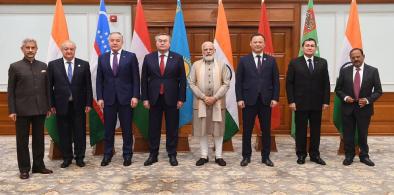
India, as also Eurasia – Russia and the Central Asian Republics (CARs) - have a common adversary in terrorism and need to make it a common goal to work on, writes Mahendra Ved for South Asia Monitor

How does India compare with the South Asian neighbourhood? The World Inequality Lab database indicates that regional disparities are less than India’s, writes N. Chandra Mohan for South Asia Monitor

With some 600 million Indians facing high to extreme water stress, ‘games’ offer vital insights for expanding self-governance to help people manage water more sustainably, write Ruth Meinzen-Dick and Pratiti Priyadarshini for South Asia Monitor