Millions of Indian cricket fans across the globe are the real foundation of the Indian cricket board's financial power, writes Qaiser Mohammad Ali for South Asia Monitor



The September 27 firing is therefore best seen as the beginning of a new phase in Pakistan’s naval modernization. The larger strategic question is still open. Whether Hangor changes the regional maritime balance will depend on what comes next
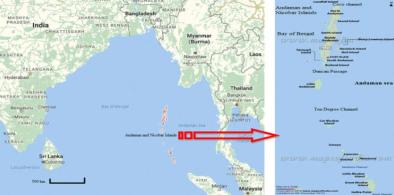
The Great Nicobar Island Development Project (GNIDP) is a mammoth venture by India to strategically strengthen its presence in the Andaman Sea and Southeast Asia with its own transshipment hub. The mega-infrastructure project spans approximately166.10 sq km covering about 15% of the total landmass of Great Nicobar Island at the southernmost tip of the Andaman and Nicobar archipelago.

An Emirati airline, an Indian captain, Israeli passengers, and Saudi authorities all played a part. India, re-elected to the ICAO Council last year, is well placed to push these standards into global aviation rules. The best tribute to Captain Machchhar is making sure the next crew never needs a hero.
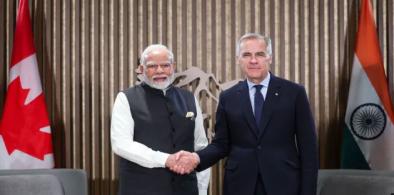
Canada hosts close to 1.9 million persons of Indian Origin (PIOs) and 3% of Canada’s population, one of the largest ethnic groups in Canada’s multiethnic and multicultural society. Although immigration policy of Canada has tightened in recent years, yet a lot of students who study in Canada prefer to stay back and work in Canada acquiring permanent residency and citizenship.
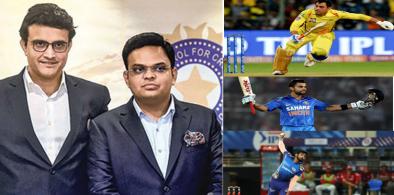
Millions of Indian cricket fans across the globe are the real foundation of the Indian cricket board's financial power, writes Qaiser Mohammad Ali for South Asia Monitor
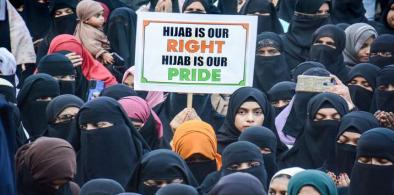
The Hindu rightwing gets its due provocation from Muslim communalism and extremism. Is there any role of Muslim communalists in fueling the hijab row?, writes Ram Puniyani for South Asia Monitor

Nepal will be permitted to export power to Bangladesh via India at a later time in order to fulfill the expanding energy demands of that country, writes Benedict B. George for South Asia Monitor
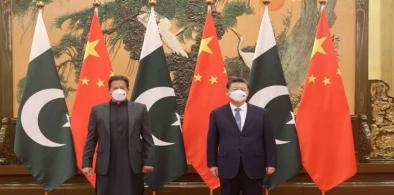
Russia is well aware of how Pakistan has been facilitating the movement of ISIS cadres from Iraq-Syria into northern Afghanistan at the behest of the US, writes Lt Gen P.C. Katoch (retd) for South Asia Monitor
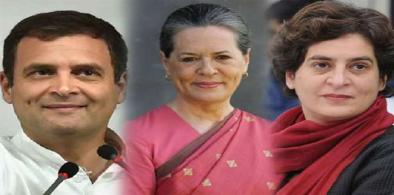
It takes no great political intelligence to point out that a tumultuous democracy like India desperately needs a credible national counter to Modi’s BJP, writes Mayank Chhaya for South Asia Monitor
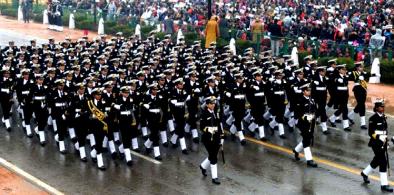
One major reason the Indian Army has not allowed women officers in fighting arms and would not like to do so is that it does not want them captured by the enemy, writes Col Anil Bhat (retd) for South Asia Monitor
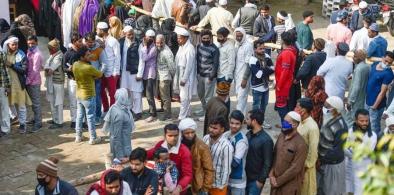
The recent trends in elections have shown undeniable evidence that women no longer remain passive voters, writes Shraddha Nand Bhatnagar for South Asia Monitor
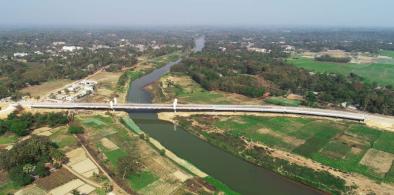
Connectivity and infrastructural development with Bangladesh will also open up new routes to India's Northeast, Bhutan and Nepal, writes Benedict B. George for South Asia Monitor
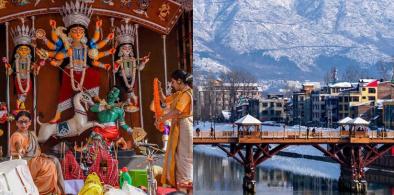
Such recognition by UNESCO, whether of Durga Puja or Srinagar as a Creative City, helps to underline that India’s culture is a living culture, writes Amb Bhaswati Mukherjee (retd) for South Asia Monitor
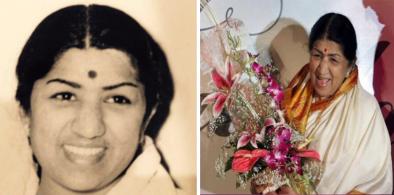
Numbers have defied easy recording, whether Lata sang 25,000 songs or 30,000, for an estimated 1,000 films, writes Mahendra Ved for South Asia Monitor
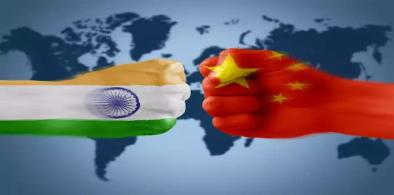
The fact remains that as long as India, Nepal and Bhutan do not protest Chinese aggressive moves because of political compulsions China will keep having its way, writes Lt Gen P. C. Katoch (retd.) for South Asia Monitor
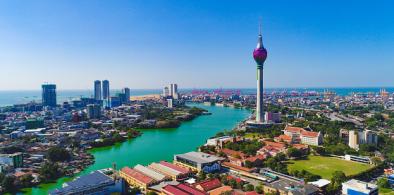
With heightened external geopolitical fissures in the region, balancing infrastructure diplomacy between China, India and the US is indeed a daunting challenge for Sri Lanka, writes Sugeeswara Senadhira for South Asia Monitor
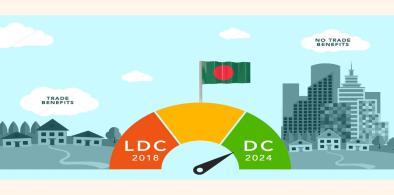
Although Bangladesh was a part of Pakistan, it has already surpassed Pakistan in almost all socio-cultural and economic indicators, writes Jebeda Chowdhury for South Asia Monitor
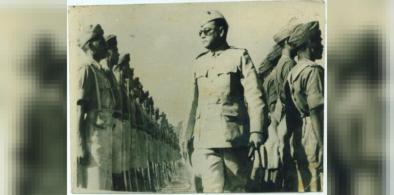
Bose was very clear that in independent India equal opportunities should be thrown open to all, irrespective of caste, creed or religion, writes Ram Puniyani for South Asia Monitor

What is the future of civil aviation and Air India? The immediate outlook is that it will take beyond 2022-23 to return to any semblance of pre-pandemic normalcy, writes N. Chandra Mohan for South Asia Monitor