NATO Headquarters in Brussels (NATO photo)

Why the NATO summit in Ankara matters for South Asia

The NATO summit can indirectly transform India from a regional power into a West Asia stakeholder by integrating India into maritime security frameworks, supporting connectivity projects, strengthening intelligence ties, reinforcing India’s role as an alternative to China. The long-term outcome is that India could emerge as a pillar of stability linking Europe, the Gulf, and the Indo-Pacific

India–Japan Summit: Strategic Convergence in a Changing Indo-Pacific Order

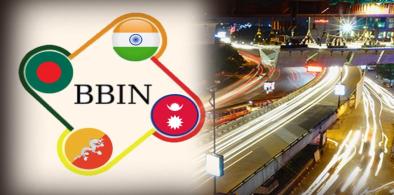
Japan has also proposed developing a Bay of Bengal–Northeast India Industrial Value Chain aimed at transforming the region into an integrated industrial zone. As part of the Free and Open Indo-Pacific vision, this includes strengthening cross-border connectivity with Bangladesh, Myanmar, Nepal and Bhutan. 

China and the Emerging Scenario in the Bay of Bengal

China's expressed interest in modernising and upgrading both Chattogram and Mongla ports suggests the emergence of an interconnected infrastructure network linking the Bay of Bengal with southwestern China through Myanmar. If realised, such connectivity would enhance trade flows, improve regional logistics and deepen China's economic footprint across the Bay of Bengal littoral, while simultaneously increasing Bangladesh's importance as a regional transit and connectivity hub.

Colombo to Kathmandu, China Seeks to Counteract US Moves Across South Asia

While Washington and New Delhi seek to strengthen bilateral ties with Colombo, Beijing has strategically engaged with the political forces that control the government. By engaging directly with actors at the core of Sri Lanka’s governance, Beijing appears to be signalling its strategic intent—projecting influence and reinforcing ideological ties. 

More on Geopolitics and Strategic Affairs

China's growing economic engagement in South Asia is a warning to India

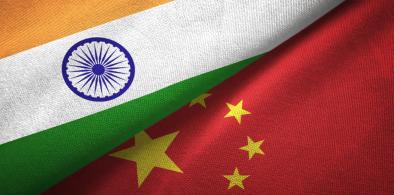
China has already surpassed India in its volume of trade with Bangladesh and is fast catching up to replace it as the top trading partner of Sri Lanka and Nepal. It has extended aid and financial assistance to these states that surpass India’s aid to them

Sheikh Hasina: A profile in courage and emotional bonds with India

With her Awami League in power since 2009, Bangladesh has seen the army keeping away from a political role, has witnessed relative political stability and rapid economic strides, marking higher human development indicators better than most others in South Asia

Rising interest rates and looming dangers for South Asia

South Asia will require at least another decade to recover from the sociological maladies of the post-pandemic global transformations. The looming economic crisis in South Asia may also cause multiple regime changes in the region, potentially producing greater political instability

India-Bangladesh summit: Interlinked destinies, great expectations

Therefore, to create greater understanding between the civil societies of South Asia, we must encourage far more civil society interaction on B2B and people-to-people basis. 

Sheikh Hasina's visit to Delhi amid shifting geopolitical sands: Can India-Bangladesh ties rise above Asia-Pacific rivalries?

Now India and Bangladesh have to look for a new foundation to take the relationship between the two countries to a higher level. And deepening of economic ties can create that new foundation. 

Sheikh Hasina visit to India: Needed a landmark agreement on water sharing, better border management

Overall, many of the vexing problems of long standing can be mitigated quickly by bold and quick measures, denying ammunition to detractors of India-Bangladesh ties on both sides and letting our relationship flourish to its full potential

India-Bangladesh ministerial meet on rivers: A precursor to a larger deal next week but without Teesta?

The JRC discussion should have recognised the sufferings of the people of both sides because of the water scarcity during the lean season flows of the Teesta river and struck a win-win deal that was beneficial to both sides

Gwadar and Mundra: Strategic importance of two ports to Pakistan and India

Both Gwadar and Mundra ports are close to a turbulent region that is violent and militancy-prone. If Gwadar has security problems from within, Mundra has them from without

Chronicles of Rohingya genocide in Myanmar and international failure

India has repositioned its earlier policy of providing a home to refugees from Tibet, Afghanistan, Bhutan and Sri Lanka and is forcefully deporting Rohingya refugees

Who can take on Narendra Modi in 2024? Contradictions and ego hassles mar opposition unity

Given these roadblocks, it is not a surprise that the BJP, led by Prime Minister Narendra Modi, is a runaway winner in every opinion poll to the dismay of its adversaries who wonder why the economic difficulties of inflation and unemployment are not holding it back

India’s coastal security challenge - and preventing another 26/11

While this exercise was a long overdue and necessary measure, the whole gamut of India’s coastal security in view of terrorist threats and other crimes must function effectively and consistently as there have been instances of breaches in coastal security after 26/11

Sri Lanka allays Indian concerns, says it believes in regional solidarity; extra regional powers have no strategic leeway in South Asia

Defence sources said it was significant that the Dornier was handed over to Sri Lanka by India a day before the high-tech Chinese satellite tracking ship docked at Hambantota

Indian outreach to Latin America and Caribbean: Needed more frequent and diversified interactions

India should also project the values and aspirations of the Indo-Pacific into Atlantic waters to help global development. The SAGAR (Security And Growth for All in the Region) model can be extended to a much larger canvas of mutual cooperation and benefit

International education as a building block in growing India-Australia relations

If Australia is to emerge as the destination of choice for Indian students, its India strategy needs to be rethought. If this were to happen, international education and institutional collaboration would emerge as a critical building blocks in the bilateral space

Will Michelle Bachelet’s visit to Bangladesh expedite Rohingya repatriation?

The world must remember the refugees’ lives depend on how the international community responds to caring for them as Bangladesh alone cannot afford to support this huge Rohingya population