The right-wing and Islamist political forces that have always maintained connections with violent extremist forces are exerting their influence in Bangladeshi society. This is an ominous sign in this part of the world.


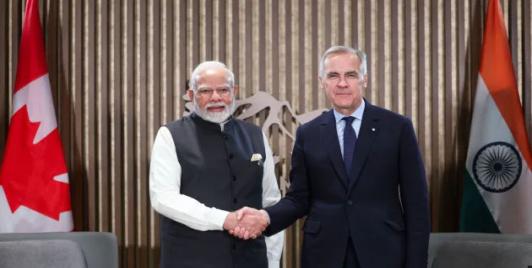
Canada hosts close to 1.9 million persons of Indian Origin (PIOs) and 3% of Canada’s population, one of the largest ethnic groups in Canada’s multiethnic and multicultural society. Although immigration policy of Canada has tightened in recent years, yet a lot of students who study in Canada prefer to stay back and work in Canada acquiring permanent residency and citizenship.
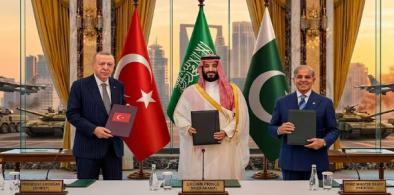
It would also explain why Pakistan is trying to preserve a distinction between supporting Saudi Arabia and fighting the Houthis. Pakistan has every reason to avoid another open-ended conflict in the Middle East. Its military is heavily committed to its own security challenges. Its economy cannot easily absorb the political and financial consequences
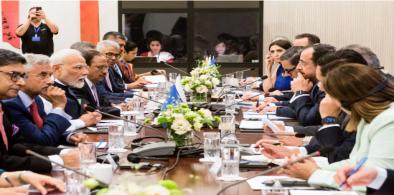
EU and India could establish a regular EU–India-Middle East Consultative Mechanism involving foreign-policy officials and experts. Its purpose would be to coordinate positions before major international gatherings and meetings.

For Sri Lankan politics, this is more than diplomatic sightseeing. It raises a fundamental question whether the JVP is developing a sophisticated strategy of balancing relations with India and China or is it gradually adapting itself to the organisational models of powerful one-party or dominant-party systems in China and India respectively?
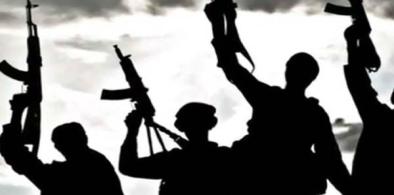
The right-wing and Islamist political forces that have always maintained connections with violent extremist forces are exerting their influence in Bangladeshi society. This is an ominous sign in this part of the world.
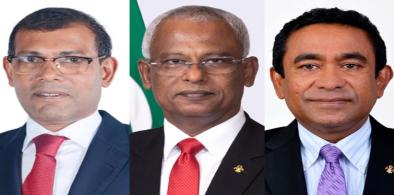
The political events, including those inside the once monolith MDP, are playing out at a time when Defence Minister Mariya Didi claimed that the recent raids, arrests and explosives seizure in capital Male and southern Addu City related to the "most dangerous terror-plot" in the country.
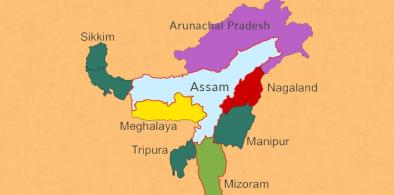
There is a simple but fundamental truth – good relations, trust and cooperation are critical among neighbours, both within India's borders and across it.
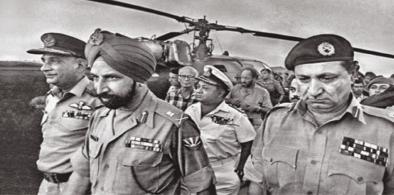
“Indeed, the West Pakistani elite — politicians, bureaucracy, military — all played a role in aggravating the crisis,” a Dawn editorial said, adding: “Unfortunately, we as a nation have yet to come to terms with the bitter truths of 1971.”

Experience over the past 75 years has shown that despite the fraught and tense relationship, the common people of South Asia and in the diaspora easily establish friendships and bonds with each other whenever they get an opportunity, comments Dr Mubayi. The longstanding linguistic and cultural bonds between India and Pakistan still bind peoples together.
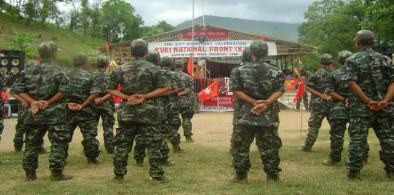
KNF's suspected ties with Jamatul Sharqia and providing training to Islamist militants have added a new dimension to the country's violent extremism.
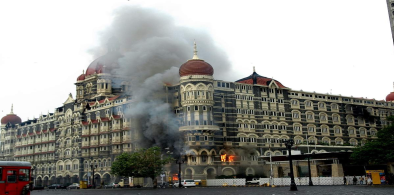
It is imperative to understand counter-terror responses for India must come from an effective processing of intelligence alerts, quick mobilization of first responders, and a unified collaboration in carrying out the required operations under a single command control.
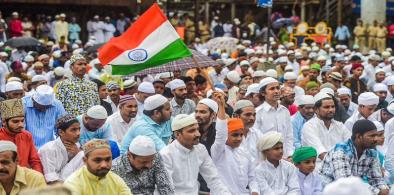
The phobia of Muslim demographic dominance remains the basis of Hindu right-wing politics. It is a potent weapon to create apprehension and polarize voters
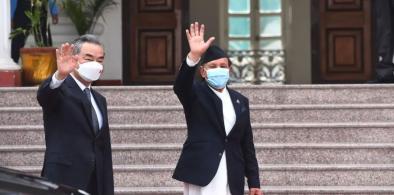
The indications are that Prime Minister Deuba will return to power in the general elections but this time the Chinese stakes in these elections are higher than before. With his third-term presidency, Xi Jinping is more than eager to realize China’s illegal territorial claims in India, Nepal and Bhutan.
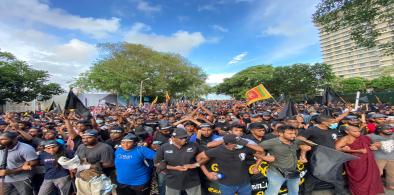
Gota Go Gama became a new political and cultural metaphor with numerous dimensions. It was a turning point for Sri Lanka that contributed to creating a new space for diversity.
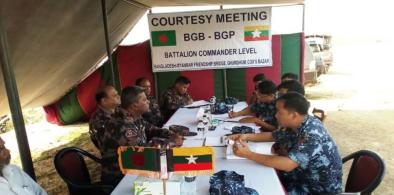
Improved military ties between Bangladesh and Myanmar can aid in the smoothing of ties and the resolution of long-standing issues such as the Rohingya crisis, maritime disputes, and trans-border crimes.
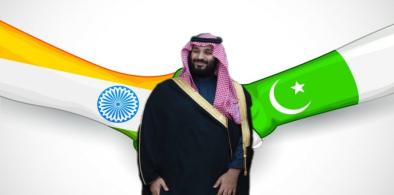
Saudi Arabia has been reorienting its foreign policy, and while maintaining its individual relationships with India and Pakistan, it could possibly play a role as an intermediary between both countries.
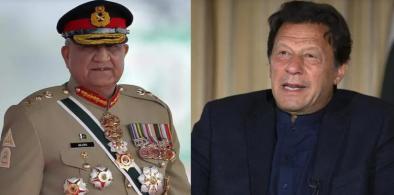
Khan, the government, and the military establishment seem to have taken extreme positions, leaving no room for rapprochement for now, plunging Pakistan into political chaos.
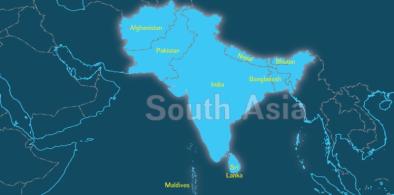
The tragedy of our times is that the South Asian region has the cultural resources to live with diversity. This has, in fact, been its millennial tradition. Despite these cultural resources, the region is mired in majority-minority conflicts that can be debilitating.
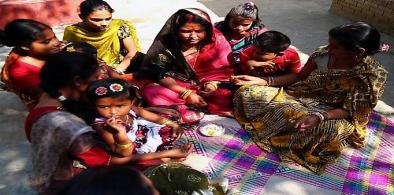
Transcending narrow geographical borders, handicrafts often make their own presence felt as a representation of humanity, connecting communities. One such important handicraft item is the dry grass mats of the region of South Asia