The attention of the current regime in Pakistan will be diverted to firefight for survival and inevitably delays the implementation of crucial reforms to strengthen the economy, writes N Chandra Mohan for South Asia Monitor


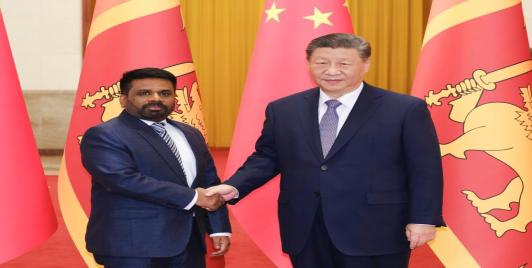
China’s growing influence on small countries thus extends far beyond trade and infrastructure. It shapes debates on governance, challenges democratic norms, and pressures sovereign states to align with Beijing’s priorities. For nations like Sri Lanka and Nepal, the dilemma is stark
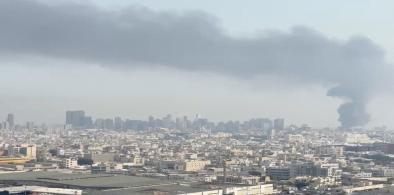
Here is something that is perhaps not widely reported. According to this account, Iranian forces were able to destroy a significant part of the logistics infrastructure supporting these large carrier operations. They struck the central logistics hub in Bahrain very early in the conflict.

Bangladesh's Prime Minister need not visit India simply to keep relations cordial, but when engagement can advance its interests, refusing engagement becomes a cost of its own. The objective should be to preserve leverage through engagement, not to mistake rigidity for leverage.
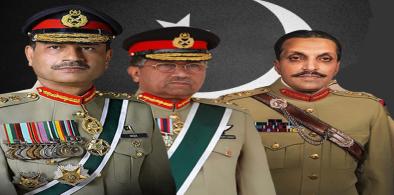
However, the political situation has gradually begun to show currents that may move against Munir. The Supreme Court of Pakistan’s order to shift former Pakistan Prime Minister Imran Khan, Munir’s arch-rival, to a private hospital and the statement by the US Ambassador to India, Sergio Gor affirming that J&K is "an important part of India", reinforces the impression of classic temporariness and limited strategic relevance of Pakistan in US-Pak relations.

The attention of the current regime in Pakistan will be diverted to firefight for survival and inevitably delays the implementation of crucial reforms to strengthen the economy, writes N Chandra Mohan for South Asia Monitor

According to the Bangladesh National Woman Lawyer Association, every year an average of 11 women in the country commit suicide due to cybercrime, writes Monira Nazmi Jahan for South Asia Monitor
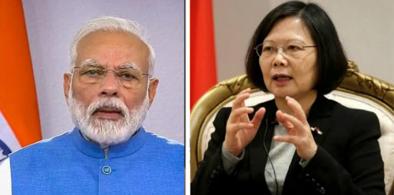
The inhibitions of the Indian government to upgrade relations with Taiwan are baffling. It stems from keeping the military out of strategic security formulations, status quo bureaucratic advice and needless fear of China, writes Lt Gen Prakash Katoch (retd) for South Asia Monitor
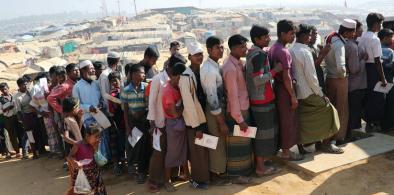
The recent deadly clashes between the two Rohingya groups at the camp in Cox's Bazar has posed a major security threat to Bangladesh, writes Aashish Kiphayet for South Asia Monitor
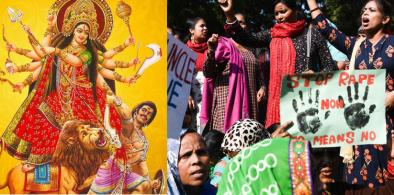
If rape in India is to be meaningfully addressed, the onus lies on society to review and correct deeply ingrained socio-cultural norms and practices that are inherently biased against women and the girl child, writes Cmde C Uday Bhaskar (retd) for South Asia Monitor

As Pakistan enters its winter of discontent, yet again, Maryam Nawaz has emerged as a front-ranking leader in a male bastion, writes Mahendra Ved for South Asia Monitor

China is enabling Pakistan to set up a network-enabled warfare capability with satellite feeds to monitor the Indian Ocean Regions (IOR) like the Indian Navy employs Centrix provided by the US Navy, writes Cmde Ranjit B. Rai (retd) for South Asia Monitor

In the BJP’s case, the arrogance bred by two successive general election victories convinced the party that it was now in a position to do more or less whatever it wanted, of which the first and foremost was the implementation of its longstanding desire to abolish Article 370, writes Amulya Ganguli for South Asia Monitor
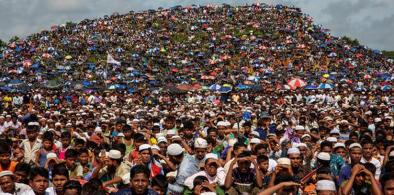
Shringla also assured Myanmar of India’s support for the safe repatriation of displaced Rohingya Muslims from Bangladesh. About 40,000 or more Rohingya live in Indian cities, including Kolkata and Delhi, so India has its own reasons to push for a solution to the Rohingya problem, writes Subir Bhaumik for South Asia Monitor
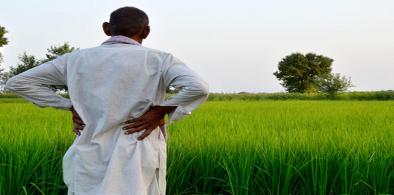
Given that around 86.2 percent of farmers in India are small or marginal, all the activities require capital that they cannot afford without the middlemen. The bills in no way tries to create alternate credit mechanisms to aid farmers, writes Akshat Singh for South Asia Monitor
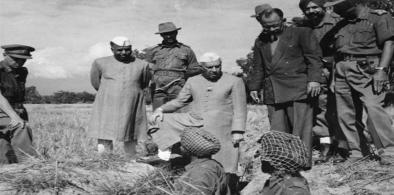
October 1962 is a sad chapter of Indian history and greater the pity that it remains under wraps, writes Cmde C Uday Bhaskar (retd) for South Asia Monitor

The Indian American community is sophisticated, knows and understands the domestic political compulsions and will not allow themselves to be led around by short term promises, writes Dr. Sridhar Krishnaswami for South Asia Monitor

Both the US and India are remarkable democratic experiments and their ability to champion democratic norms and freedoms - rather than weaken them - will prove critical to global peace and prosperity in the years ahead, write Sohini Chatterjee & Swadesh Chatterjee for South Asia Monitor
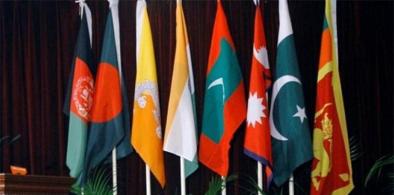
South Asian nations need to work together to cope with COVID-19 and unlock new opportunities to build economic resilience, connectivity, and human capital, writes Partha Pratim Mitra for South Asia Monitor
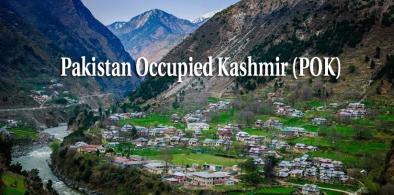
The Pakistan army has never won any war but they are also aware that the political hierarchy in India is apprehensive of waging war on Pakistan with the Chinese presence in POK-Pakistan, writes Lt Gen Prakash Katoch (retd) for South Asia Monitor