Nepal has all the right to claim compensation from its two neighbouring countries – China and India - two of the world’s biggest polluters, write Jivesh Jha & Alok Kumar Yadav for South Asia Monitor


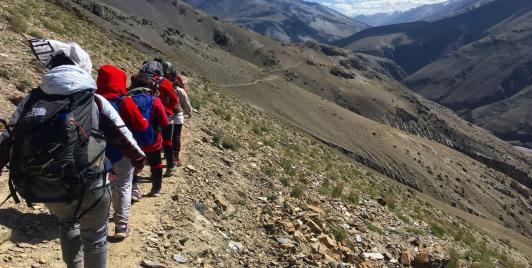
The Wakhan Corridor has become a possible trade road for China's economic expansion. The corridor provides China with strategic advantages. First, it offers potential overland access to Afghanistan and on to Pakistan and the Arabian Sea
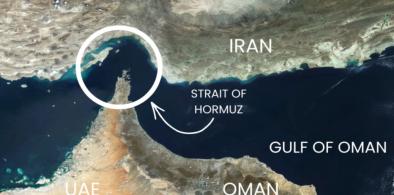
Before the mid-2020s, Iran lacked the specific low-cost tactical capability (drones, missiles and tech int) required to hold SoH against the US military. Today, the newly acquired capabilities allow Iran to enforce an effective, sustainable, and lethal denial-of-access corridor at a much lower cost.
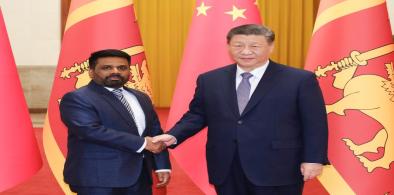
China’s growing influence on small countries thus extends far beyond trade and infrastructure. It shapes debates on governance, challenges democratic norms, and pressures sovereign states to align with Beijing’s priorities. For nations like Sri Lanka and Nepal, the dilemma is stark
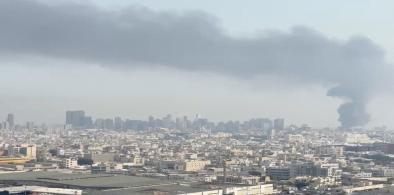
Here is something that is perhaps not widely reported. According to this account, Iranian forces were able to destroy a significant part of the logistics infrastructure supporting these large carrier operations. They struck the central logistics hub in Bahrain very early in the conflict.
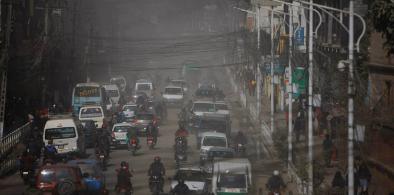
Nepal has all the right to claim compensation from its two neighbouring countries – China and India - two of the world’s biggest polluters, write Jivesh Jha & Alok Kumar Yadav for South Asia Monitor
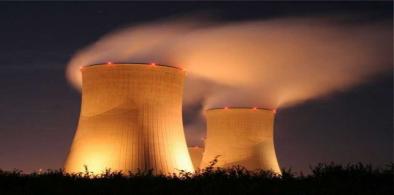
Pakistan is in a position not only to use nuclear energy for its national programmes for development and progress, but also can provide assistance to other countries of the region in the peaceful uses of nuclear energy, writes Rabia Javed for South Asia Monitor
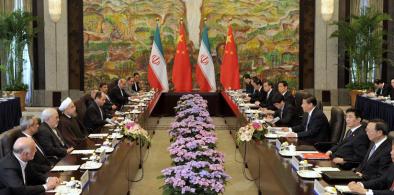
The PLA presence in Iran, which may rise, should be seen in conjunction with PLA presence in Pakistan, Sri Lanka, and in the garb of civilians in development projects around the world, the Middle East and Oman included, writes Lt Gen Prakash Katoch (retd) for South Asia Monitor
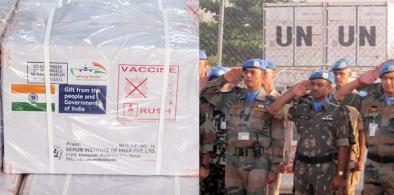
India’s initiative in supplying vaccines to UN peacekeeping forces and also to a large number of poor countries is a masterstroke of Narendra Modi’s government in vaccine diplomacy, writes Rajendra Shende for South Asia Monitor
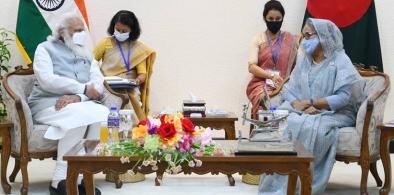
The Modi visit, as well as previous high-level visits on both sides, have without any shadow of doubt made these two neighbours secure a bilateral partnership that can potentially lead to a larger regional role with greater possibilities, writes Sreeradha Datta for South Asia Monitor
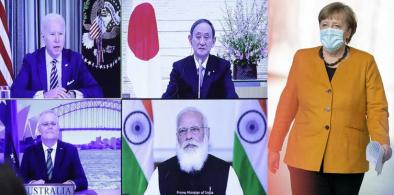
The EU, part of the western alliance, can no longer remain a balancing power between America, the Quad and China, writes Amb Bhaswati Mukherjee (retd) for South Asia Monitor
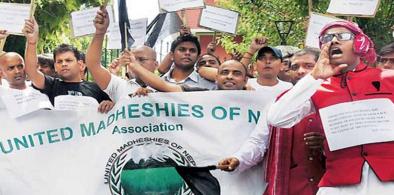
The Terai autonomy movement has been going on since 2007 and has recently gained traction with the armed outfit renewing its political vows at a time when Nepal is facing a host of internal issues, writes Shushant VC for South Asia Monitor

Prime Minister Modi clearly laid out the importance of collective responsibility towards water conservation in February. He called for a 100-day campaign to clean up water bodies and prepare them for rainwater harvesting before the monsoon of 2021, writes Rajendra Shende for South Asia Monitor
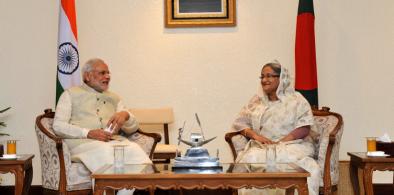
Regardless of the fundamentalist rhetoric on both sides of the border, the governments of Modi and Hasina are focused on improving connectivity, trade, and people-to-people relations, writes Subir Bhaumik for South Asia Monitor
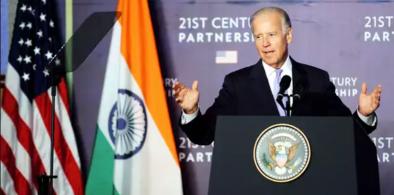
Biden has more India expertise than any previous president, which will only be a good thing for bilateral relations, writes Frank Islam for South Asia Monitor
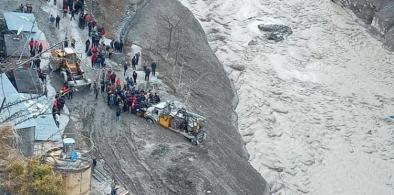
The Chamoli disaster should serve as an eye-opener for nations, government and individuals alike. In order to decrease the magnitude of such environmental disasters that occur or can occur in the coming future, it is necessary for the governments of India, Nepal, and Bhutan to collaborate in order to come up with sustainable solutions, writes Shushant V C for South Asia Monitor
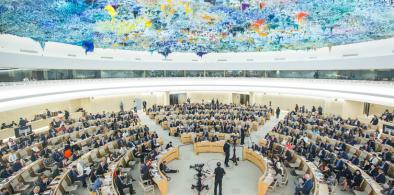
An international body to be provided with an opportunity to directly interfere in an internal affair of a member of the world community, especially a country in South Asia, will definitely dent the position of India as the regional power, writes Sugeeswara Senadhira for South Asia Monitor
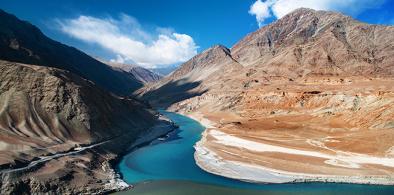
Hence, in the span of only one and a half-century, a mighty river like the Indus has been imprisoned in dams, bridges, and barrages, which has severely disturbed the river’s flow, writes Muhammad Abbas Khaskheli for South Asia Monitor
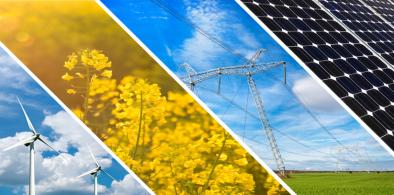
By prioritizing green stimulus through clean-energy investment and sustainability-oriented policies in its pandemic response, South Asia can play an important role in making the development process more sustainable, both for the region and for the world, writes Partha Pratim Mitra for South Asia Monitor

The growing political and economic influence of India in Afghanistan has been factored by the Biden administration and the inclusion of India in the peace talks are proof of that, writes Shushant VC for South Asia Monitor