Pakistan, Afghanistan, Sri Lanka and Nepal have joined the Beijing-led Platform along with Bangladesh. India, the largest country in South Asia, has stayed away, writes Swadesh Roy for South Asia Monitor


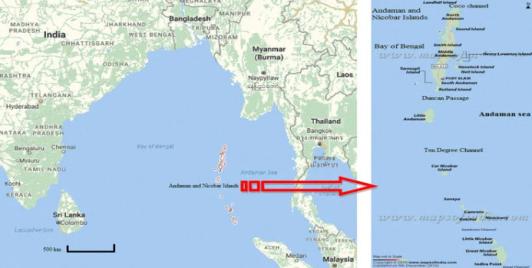
The Great Nicobar Island Development Project (GNIDP) is a mammoth venture by India to strategically strengthen its presence in the Andaman Sea and Southeast Asia with its own transshipment hub. The mega-infrastructure project spans approximately166.10 sq km covering about 15% of the total landmass of Great Nicobar Island at the southernmost tip of the Andaman and Nicobar archipelago.

An Emirati airline, an Indian captain, Israeli passengers, and Saudi authorities all played a part. India, re-elected to the ICAO Council last year, is well placed to push these standards into global aviation rules. The best tribute to Captain Machchhar is making sure the next crew never needs a hero.
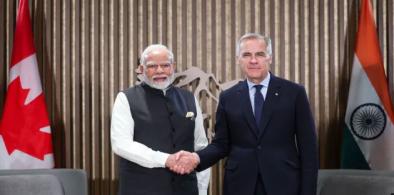
Canada hosts close to 1.9 million persons of Indian Origin (PIOs) and 3% of Canada’s population, one of the largest ethnic groups in Canada’s multiethnic and multicultural society. Although immigration policy of Canada has tightened in recent years, yet a lot of students who study in Canada prefer to stay back and work in Canada acquiring permanent residency and citizenship.
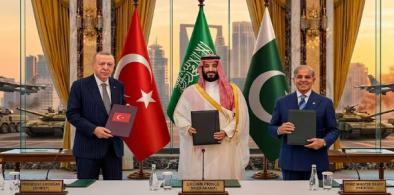
It would also explain why Pakistan is trying to preserve a distinction between supporting Saudi Arabia and fighting the Houthis. Pakistan has every reason to avoid another open-ended conflict in the Middle East. Its military is heavily committed to its own security challenges. Its economy cannot easily absorb the political and financial consequences

Pakistan, Afghanistan, Sri Lanka and Nepal have joined the Beijing-led Platform along with Bangladesh. India, the largest country in South Asia, has stayed away, writes Swadesh Roy for South Asia Monitor
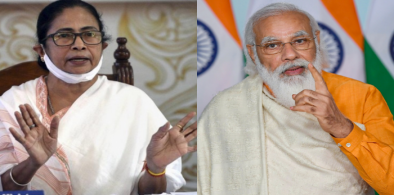
The future of regional politics in India depends on not just exploiting local tradition and pride for elections, but in beefing up governance, economy, public delivery of benefits and taking on Delhi when the interest of the state is at stake, writes Subir Bhaumik for South Asia Monitor
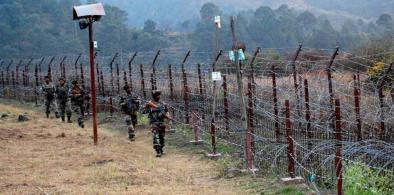
As the two countries move towards a thaw on the LoC, it is in their interest to put the contentious issues on the back burner and resume the people-to-people contacts as they did in 2003-04; resolve the Kulbhushan Jadhav issue; activate the South Asian Association of Regional Cooperation; and engage in trade and commerce, writes Mayank Kumar for South Aisa Monitor
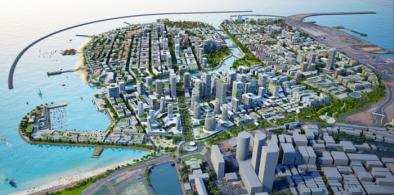
The incumbent Sri Lanka Podujana Peramuna (SLPP) government took effective steps to expedite the Port City project, which could attract USD 15 billion in investments, and emerge as a leading business, retail, residential and tourist destination in South Asia, writes Sugeeswara Senadhira for South Aisa Monitor
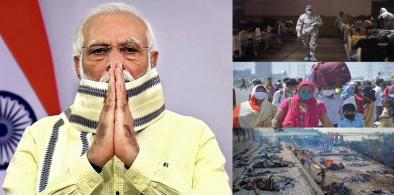
There is little doubt that the whole of last year when the virus first appeared was spent in theatrical exercises based on a personality cult instead of strengthening the medical infrastructure so that the country would not be caught unawares when a second wave struck, writes Amulya Ganguli for South Asia Monitor
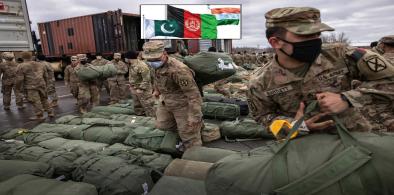
The withdrawal of the US forces will increase India's concern about the recapture of power by the Taliban and the use of Afghanistan’s territory as a safe haven for terrorists, writes Indu Saxena for South Asia Monitor

It’s high time for the people and the government to come together in devising a robust mechanism for the implementation of the constitutional provisions, for the republic, deserves to realize the cherished goals envisioned under the preamble, write Jivesh Jha and Dr Alok Kumar Yadav for South Asia Monitor
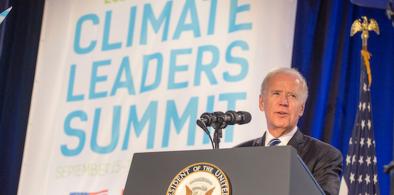
While carbon neutrality will be the pitch during the summit, PM Modi should use climate diplomacy not only to remind the developed countries about common but differentiated responsibilities and their past commitments, but also to institutionalize the mechanism and alliance jointly with USA, for tracking the climate finances to developing countries and mainstream climate justice, writes Rajendra Shende for South Asia Monitor
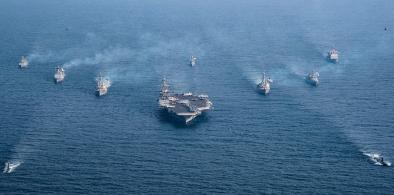
Amid the divergent claims by the US and the Indian governments, it is important to delineate the correct position of international law on the military activities in the EEZ, writes Aftab Alam for South Asia Monitor

Since there is little chance of the BJP desisting from its pursuit of religion-based politics which places the surmises, predilections and objectives of the party’s Hindu followers above those of the minorities, the country will have to brace itself for a prolonged period of Hindu-Muslim confrontation, writes Amulya Ganguli for South Asia Monitor
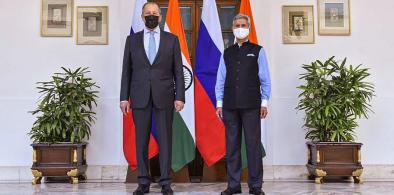
India is one of the few powers that sit at crossroads of Continental Eurasia and the Indo-Pacific --- the two regions that will define this century and to which India's development and security are inextricably linked, writes Lt. Gen. (Dr) Yash Malhotra (retd) for South Asia Monitor
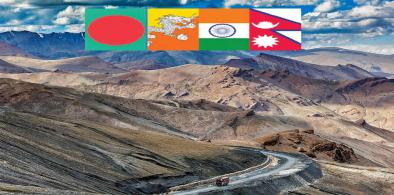
For Bangladesh, Bhutan and Nepal, the opportunities for growth include trading more with one another – with India as the pivot – with better water, road and rail connectivity, writes N Chandra Mohan for South Asia Monitor
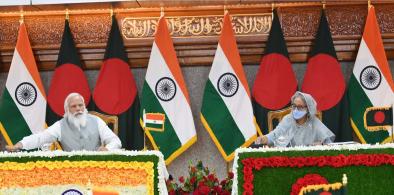
The leadership on both sides has ushered a new chapter in India-Bangladesh relations. India is well-positioned geographically and industrially to play the role of a near-shore partner for its allies like Bangladesh, writes Dr Indu Saxena for South Asia Monitor

Biden, who is trying to draw India closer on the strategic front in the Indo-Pacific also wants to increase its involvement in Afghanistan, writes Arul Louis for South Asia Monitor
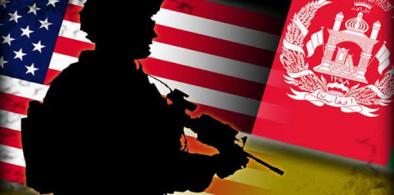
Walking out from the US-proposed intra-Afghan talks in Turkey, Taliban has cocked a snook at Capitol Hill indicating it will commence attacking foreign troops next month, writes Lt Gen Prakash Katoch (Retd) for South Asia Monitor