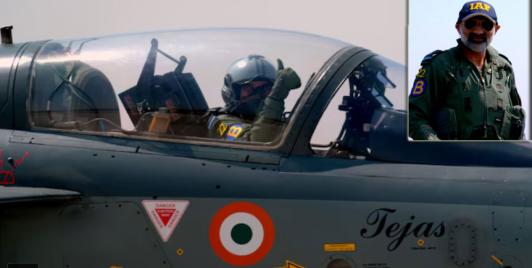

Air Chief Marshal AP Singh flying his last fighter jet sortie

Air Power and National Security: Strategic Choices that the Indian Air Force Needs to Make

Air power will remain central to national security. Whether India has enough of it, in the right form, and can afford it in scarce dollars, is still an open question. ACM Singh is to be commended for his distinguished service and stellar leadership – and more importantly – rendering objective professional advice to the apex leadership, an increasingly rare trait in the current times.

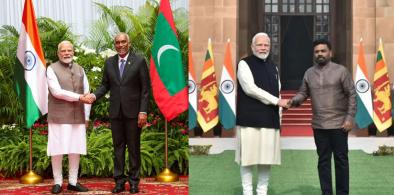
Nonalignment and Strategic Autonomy Unworkable for Small States: 'India First' Policy a Strategic Necessity for Sri Lanka

Under conditions of what is increasingly described as the "Great Fragmentation," Sri Lanka's geographic proximity to India should be viewed as a strategic advantage rather than a liability. Properly managed, this strategic reality could help transform Sri Lanka into a prosperous and stable nation.

Pakistan’s Hangor-Class Fires Its First Missile. Can It Shift the Maritime Balance in South Asia?

The September 27 firing is therefore best seen as the beginning of a new phase in Pakistan’s naval modernization. The larger strategic question is still open. Whether Hangor changes the regional maritime balance will depend on what comes next

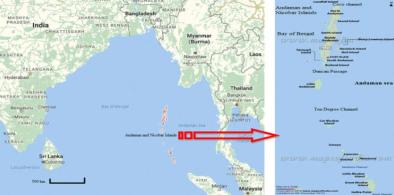
India Strategically Transforming Bay of Bengal Islands Into a Major Trade, Logistics and Military Hub

The Great Nicobar Island Development Project (GNIDP)  is a mammoth venture by India to strategically strengthen its presence in the Andaman Sea and Southeast Asia with its own transshipment hub. The mega-infrastructure project spans approximately166.10 sq km covering about 15% of the total landmass of Great Nicobar Island at the southernmost tip of the Andaman and Nicobar archipelago.

More on Geopolitics, Security and Strategic Affairs

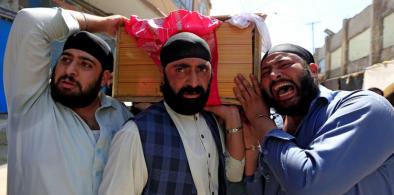
Afghanistan a dangerous place for religious minorities, particularly Sikhs

Afghanistan has become an extremely dangerous country for its residents, especially religious minorities. After surviving there for hundreds of years, the Sikhs virtually don’t even have a right to exist anymore, writes Sanchita Bhattacharya for South Asia Monitor

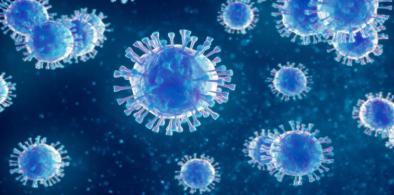
Coronavirus pandemic should promote globalization, not reverse it

The disruption of supply chains coupled with an unprecedented economic disaster waiting for the world due to the pandemic, the pertinent question is - has the time come for the world to have a rethink for globalization, asks Pranay Kumar Shome for South Asia Monitor

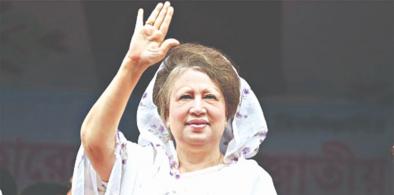
Bangladesh: The corona pandemic has eclipsed Khaleda’s release from jail

Despite Khaleda Zia’s suspended sentence and release from jail, no news except about the coronavirus is attracting the people’s attention in Bangladesh, writes Swadesh Roy for South Asia Monitor

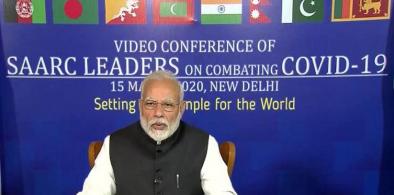
Modi’s outreach: SAARC can regain lost pedestal if its leaders fight Covid-19 together

If the habits of cooperation and mutual understanding developed while fighting together against COVID-19 allow the member countries to regain the lost pedestal of SAARC, it will augur well for peace and prosperity of the region, writes Monish Tourangbam for South Asia Monitor

COVID-19 fear grips densely populated South Asia

In the South Asian region, only Maldives and Sri Lanka fare relatively better in global rankings of quality of healthcare system. Pakistan, which spends the least on health, has only 0.6 beds per 1000 people compared to 8.5 beds per 1000 people in Germany, writes Kavita Bajeli Datt for South Asia Monitor

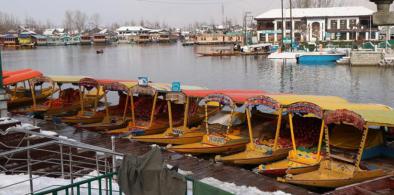
Coronavirus hits prospects for a revival in Kashmir this summer

For Kashmiris, who were hoping to come out of a long period of isolation after August 5, 2019 and subsequent government clampdown to ensure peace, the deadly virus has been a huge setback at a time when the thaw was beginning and restrictions easing, writes Brig Anil Gupta (retd) for South Asia Monitor

COVID-19 will redefine global governance

The government's role has to transition from that of an arrogant extortionist to a responsible shareholder: The reality is that governments across the world generally collect between 25-40% of income as taxes, writes Prof Rajendra Pratap Gupta for South Asia Monitor 

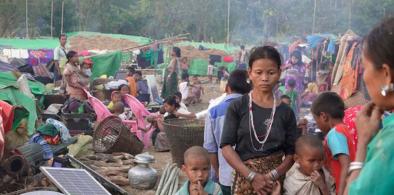
Myanmar’s Rakhine conflict threatens regional peace

It would be in the interest of all stakeholders, including India, to drive the agenda for peace to ensure the insurgency does not spiral into an uncontrollable cycle of violence which engulfs the region, writes Jaideep Chanda for South Asia Monitor

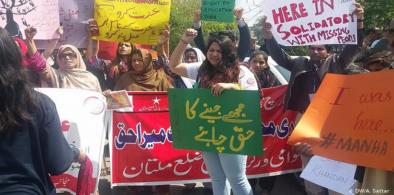
‘Aurat March’: A groundbreaking rally against patriarchy in Pakistan

The term ‘Aurat’ itself signifies the negative connotation, vernacularly, with which South Asian women have to contend. The significant rally cry, “Mera Jism, Meri Marzi” highlighted women’s body rights and gender equality, writes Azeemah Saleem for South Asia Monitor

With laws, more social awareness needed to curb child pornography in South Asia

We have strict laws but it is quite difficult to control child pornography based on only laws. We must create social awareness to stop this horrific crime, writes Monira Nazmi Jahan for South Asia Monitor

India’s challenged foreign policy: Diplomatic missteps and domestic mismanagement

The domestic turmoil at the moment is not only reshaping the country’s foreign policy but also causing an inordinate impact on the trajectory of India’s international affairs, write Muhsin & Mufsin Puthan Purayil for South Asia Monitor

India, US need to realign tech relationship to meet rapidly changing global order

Now with the world increasingly getting caught in a spreading viral infection, and the US political theatre getting embroiled in approaching elections, the India-US agreement on trade doesn’t seem likely to happen before 2021, writes Kumardeep Banerjee for South Asia Monitor

Whither police reforms? Law enforcement may be failing Indian democracy

The current pattern of law enforcement in India dilutes the claim to be a  robust and equitable democracy and  the hapless citizen pays a heavy price, writes C Uday Bhaskar for South Asia Monitor

Modi's cancelled visit: Coronavirus saves the blushes for Delhi, Dhaka

The moment of relief for both sides, as it were, stems from the unstated, but nevertheless evident situation whereby Modi could have faced hostile protests in Dhaka that the Hasina regime was preparing meticulously to avoid, writes Mahendra Ved for South Asia Monitor

Covid-19 turning point for globalisation, a challenge for India

While China may re-emerge from the crisis slightly weakened, the consequences can be devastating for countries like India, which missed out on most of the benefits of rapid globalisation and do not have the capital accumulation, unless they can reinvent themselves, writes Arul Louis for South Asia Monitor