In South Asia, India has, on the directives of its Supreme Court, constituted High Powered Committees in each state to define criteria for release of both sentenced and unsentenced prisoners, writes Madhurima Dhanuka for the South Asia Monitor


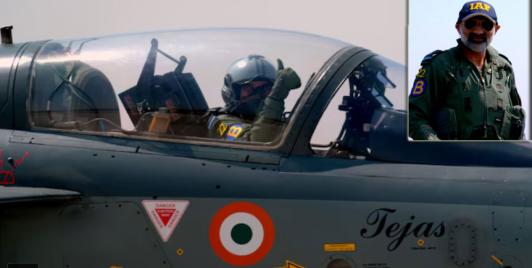
Air power will remain central to national security. Whether India has enough of it, in the right form, and can afford it in scarce dollars, is still an open question. ACM Singh is to be commended for his distinguished service and stellar leadership – and more importantly – rendering objective professional advice to the apex leadership, an increasingly rare trait in the current times.
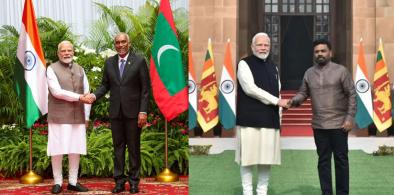
Under conditions of what is increasingly described as the "Great Fragmentation," Sri Lanka's geographic proximity to India should be viewed as a strategic advantage rather than a liability. Properly managed, this strategic reality could help transform Sri Lanka into a prosperous and stable nation.
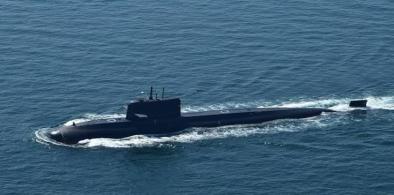
The September 27 firing is therefore best seen as the beginning of a new phase in Pakistan’s naval modernization. The larger strategic question is still open. Whether Hangor changes the regional maritime balance will depend on what comes next
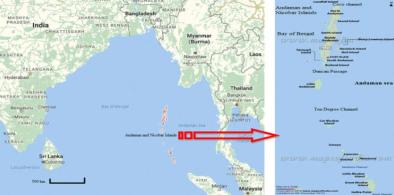
The Great Nicobar Island Development Project (GNIDP) is a mammoth venture by India to strategically strengthen its presence in the Andaman Sea and Southeast Asia with its own transshipment hub. The mega-infrastructure project spans approximately166.10 sq km covering about 15% of the total landmass of Great Nicobar Island at the southernmost tip of the Andaman and Nicobar archipelago.
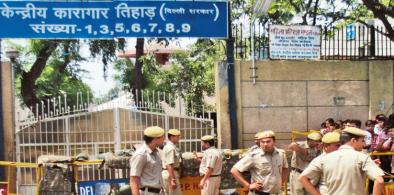
In South Asia, India has, on the directives of its Supreme Court, constituted High Powered Committees in each state to define criteria for release of both sentenced and unsentenced prisoners, writes Madhurima Dhanuka for the South Asia Monitor
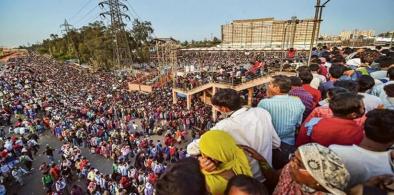
India has about 450 million workers in the informal sector and about a third of them are in the migrant cluster. Even if it is estimated that half of this workforce is grappling with hunger, the numbers are mind-boggling, writes C Uday Bhaskar for South Asia Monitor
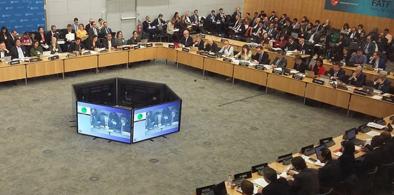
In order to save itself from being put under a blacklist, Pakistan has to work at least on papers with respect to various terror organisations to address ‘strategic deficiencies', writes Dr. Sanchita Bhattacharya for South Asia Monitor
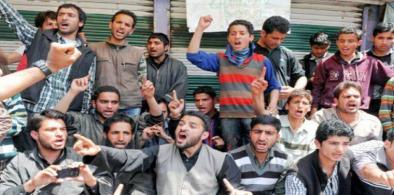
Who will benefit from the new rule? It would be the wards of West Pakistan refugees, Balmikis, Gorkhas, Punjabis and migrant labour in the newly created union territory, writes Brig Anil Gupta (retd) for South Asia Monitor
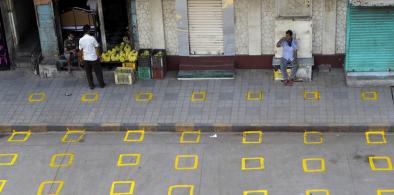
The biggest challenge for governments in South Asia is to fight this pandemic like a first-world country but with the limited resources of a third-world country, writes Dr. Jitender Bhandari for the South Asia Monitor
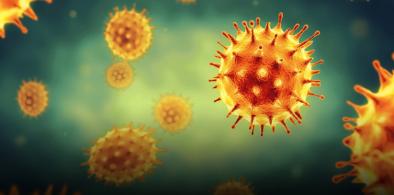
The world community reacted tardily and instead of shoring up the defenses, it is now dousing the fires. The world in the future would warrant systems that are more alert to impending pandemics and crises, better prepared and strong leadership writes R Adm Vineet Bakhshi (retd) for South Asia Monitor
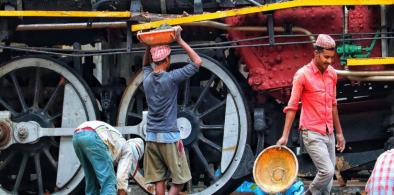
The legislation enacted way back in 2008, known as The Unorganised Workers'Social Security Act (mentioned as the Act hereafter) which entered the statute book on December 31, 2008, if implemented seriously, could have come to the rescue of the unorganised workers, which stand to lose enormously both in terms of livelihood opportunities and social security at the present juncture due to the health pandemic, writes Partha Mitra for South Asia Monitor
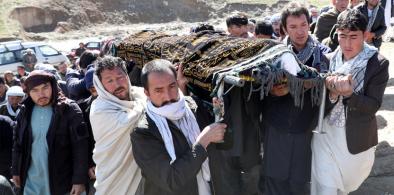
It would not be surprising if American troops are also attacked after part withdrawal has taken place, with blame, apportioned to Islamic State, as was done in the case of the recent attack on Kabul gurdwara, while China and Pakistan laughed all the way home, writes Lt Gen P. C. Katoch (retd) for South Asia Monitor
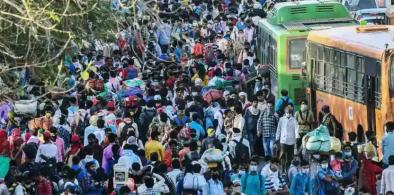
The census data of 2011 reflects that the four states - Uttar Pradesh (UP), Bihar, Rajasthan, and Madhya Pradesh -account for 50 percent of India's total inter-state migrants, write Suresh Kumar Patel, Abhishek Kumar & Noorul Quamer for South Asia Monitor
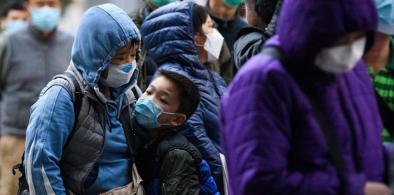
Launch of China Virus/COVID-19 - which only India had guts to name biological weapon - had decades of preparation to deny/mitigate global response, writes Lt Gen P. C. Katoch (retd) for South Asia Monitor
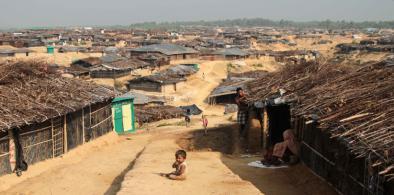
The Rohingya refugees staying inside and outside camps in Bangladesh and India are worth mentioning in the South Asian context. Their already slum-like dwellings, lack of fresh water and sanitation, densely-crowded living conditions and hunger puts them in a more perilous situation, writes Sariful Islam for South Asia Monitor
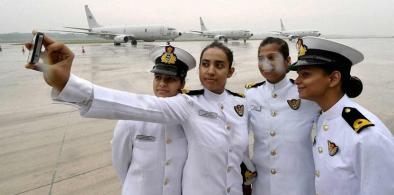
In the Indian context, the Indian Air Force and the Indian Navy have granted a permanent commission to women officers even as both have opened up some combat roles for women, write Subhranil Ghosh & Sayantan Bandyopadhyay for South Asia Monitor
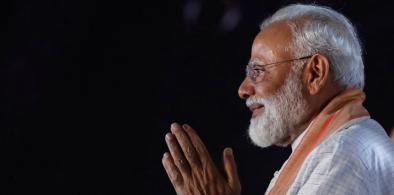
While Trump and Bolsonaro are worried about the virus' impact on their nation's markets, economies and, by extension, their political future, Modi was open enough to admit that the pandemic would have economic costs, but saving lives was more important for him and his government, writes Tarun Basu for South Asia Monitor
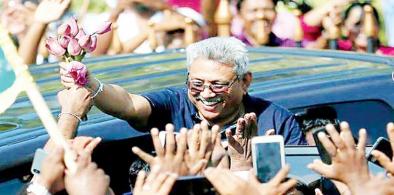
The return of a Rajapaksa to the island’s highest office coincides with a potent form of majoritarianism in Sri Lanka, driven simultaneously by jingoism and fear among the electorate, writes Arman Sidhu for South Asia Monitor
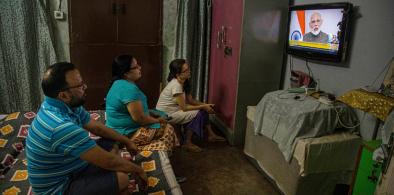
After independence, this is perhaps the first time India is being put to such a test, with every part of the country affected. Not confined to India alone, but the entire neighbourhood of South Asia is being engulfed by this pandemic, writes Brig Anil Gupta (retd) for South Asia Monitor