Pakistan wants to fulfill several objects by placing LY-80 missiles near Indian borders, writes Jai Kumar Verma for South Asia Monitor


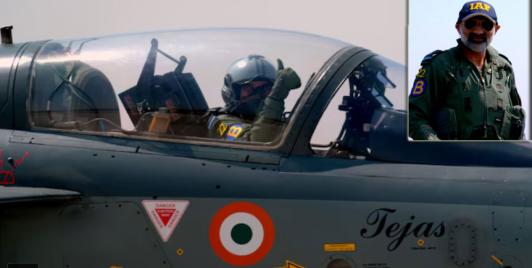
Air power will remain central to national security. Whether India has enough of it, in the right form, and can afford it in scarce dollars, is still an open question. ACM Singh is to be commended for his distinguished service and stellar leadership – and more importantly – rendering objective professional advice to the apex leadership, an increasingly rare trait in the current times.
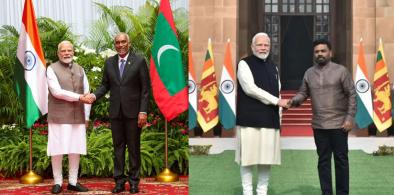
Under conditions of what is increasingly described as the "Great Fragmentation," Sri Lanka's geographic proximity to India should be viewed as a strategic advantage rather than a liability. Properly managed, this strategic reality could help transform Sri Lanka into a prosperous and stable nation.

The September 27 firing is therefore best seen as the beginning of a new phase in Pakistan’s naval modernization. The larger strategic question is still open. Whether Hangor changes the regional maritime balance will depend on what comes next
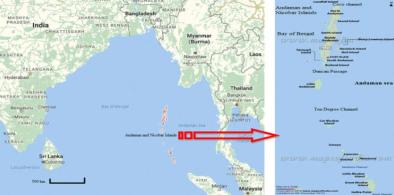
The Great Nicobar Island Development Project (GNIDP) is a mammoth venture by India to strategically strengthen its presence in the Andaman Sea and Southeast Asia with its own transshipment hub. The mega-infrastructure project spans approximately166.10 sq km covering about 15% of the total landmass of Great Nicobar Island at the southernmost tip of the Andaman and Nicobar archipelago.
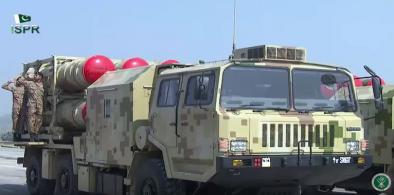
Pakistan wants to fulfill several objects by placing LY-80 missiles near Indian borders, writes Jai Kumar Verma for South Asia Monitor
As many nations relocate their industries to newer locations, India should play its cards well and, with alacrity, could be one of the preferred destinations for replacing China, writes Lt Gen Kamal Davar(retd) for South Asia Monitor
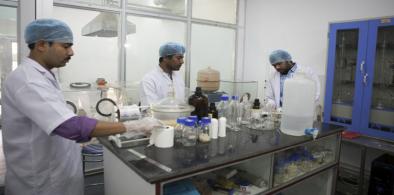
There is a need to invest in scientific research in the South Asian region so that disease control measures could be taken in the right earnest, writes Shubham Singh for South Asia Monitor
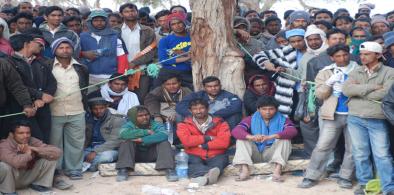
Due to COVID-19, Bangladeshi workers abroad are caught jobless, quarantined in shabby living places, mentally disturbed because of their family crisis of getting no money, fear of being affected by the coronavirus aftermath and uncertainties of being back in Bangladesh, write Dr. Mohammad Rezaul Karim and Dr. Mohammad Tarikul Islam for South Asia Monitor
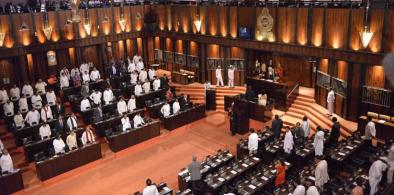
Some of the decisions by the CC have resulted in a major tussle between the Council and the Executive in Sri Lanka, writes Sugeeswara Senadhira for South Asia Monitor
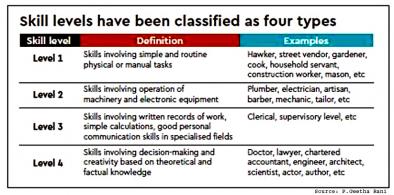
Devising a strategy to help close the digital skills gap should be a key focus for all businesses during the next decade and beyond, writes Partha Pratim Mitra for South Asia Monitor
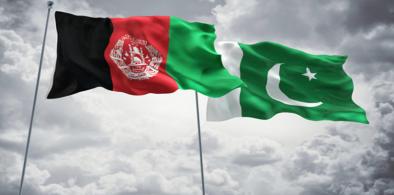
A common thread that runs through them is of COVID-19 taking the back seat in the plans and actions of various stakeholders in the AfPak region working at cross-purposes, writes Mahendra Ved for South Asia Monitor

There is growing realization within the government and diplomatic community that India stands to lose a great deal in allowing Islamophobia to spread within India and among Indians abroad and some nimble diplomacy is required to change perceptions, writes Nilova Roy Chaudhury for South Asia Monitor

Indian pharma’s soft power has, no doubt, opened up possibilities for foreign policy in the neighbourhood, writes N Chandra Mohan for South Asia Monitor
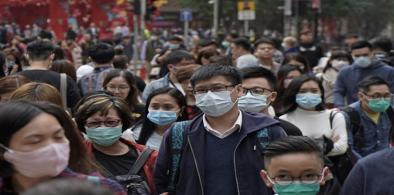
The terrific trio of Modi, Macron and XI should meet over videoconference and announce WAVE. They have the capability and potential to make history, writes Rajendra Shende for South Asia Monitor
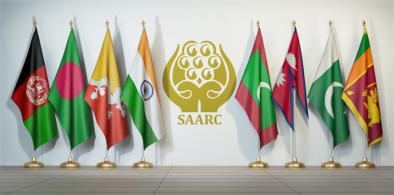
What really jumps up from the plethora of information floating around is the lack of preparedness and lack of governmental attention to health care, especially in the overcrowded South Asian region, writes Sreeradha Datta for South Asia Monitor

Irrespective of whether they succeed in convincing the foreigners, the reactions in India to the minister’s assertion will range from amusement to derision, writes Amulya Ganguli for South Asia Monitor

This abundant food-in-the-granary exigency will unfold even as a large number of Indians are grappling with hunger pangs and are stuck in varying degrees of deprivation, writes C Uday Bhaskar for South Asia Monitor
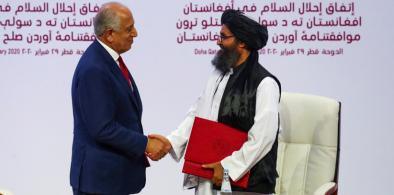
The wider consequences of the agreement between the US and Taliban remain ambiguous, writes Iqbal Dawari for South Asia Monitor
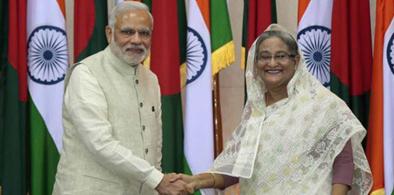
The Indian government’s decision to pass and enact, in December 2019, the Citizenship Amendment Act, naming Bangladesh as a country where minorities are persecuted, had an extremely negative fallout in that country, writes Nilova Roy Chaudhury for South Asia Monitor