The Roppur nuclear power plant is expected to be a model of clean energy in Bangladesh and provide affordable, reliable and quality electricity in the long run, writes Pathik Hasan for South Asia Monitor


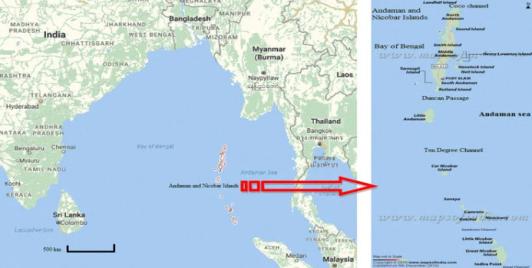
The Great Nicobar Island Development Project (GNIDP) is a mammoth venture by India to strategically strengthen its presence in the Andaman Sea and Southeast Asia with its own transshipment hub. The mega-infrastructure project spans approximately166.10 sq km covering about 15% of the total landmass of Great Nicobar Island at the southernmost tip of the Andaman and Nicobar archipelago.

An Emirati airline, an Indian captain, Israeli passengers, and Saudi authorities all played a part. India, re-elected to the ICAO Council last year, is well placed to push these standards into global aviation rules. The best tribute to Captain Machchhar is making sure the next crew never needs a hero.
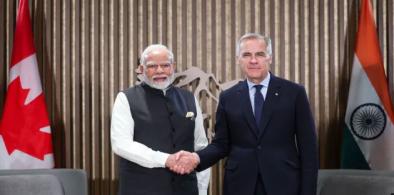
Canada hosts close to 1.9 million persons of Indian Origin (PIOs) and 3% of Canada’s population, one of the largest ethnic groups in Canada’s multiethnic and multicultural society. Although immigration policy of Canada has tightened in recent years, yet a lot of students who study in Canada prefer to stay back and work in Canada acquiring permanent residency and citizenship.
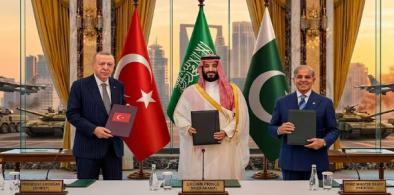
It would also explain why Pakistan is trying to preserve a distinction between supporting Saudi Arabia and fighting the Houthis. Pakistan has every reason to avoid another open-ended conflict in the Middle East. Its military is heavily committed to its own security challenges. Its economy cannot easily absorb the political and financial consequences

The Roppur nuclear power plant is expected to be a model of clean energy in Bangladesh and provide affordable, reliable and quality electricity in the long run, writes Pathik Hasan for South Asia Monitor

The coming weeks pose a serious challenge to the Pakistani government to deal with the TLP’s threats and increasing pressure, writes Shantanu Mukharji for South Asia Monitor

India's withdrawal from RCEP resulted in India losing out on the opportunity of re-shoring of Japanese investment from China, writes S. Majumder for South Asia Monitor
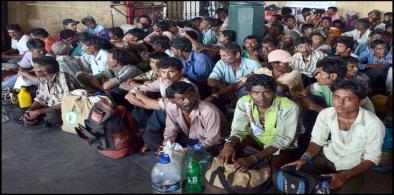
India and Pakistan’s toxic official relations continue to take a human toll and hold South Asia hostage even as the region deals with the crisis of climate change which includes fish migration patterns, writes Beena Sarwar for South Asia Monitor
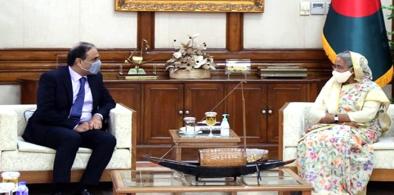
China and Pakistan are always scouring for opportunities by utilizing any kind of strain in Bangladesh-India ties, and would obviously try to exploit the present regional political scenario, writes Pathik Hasan for South Asia Monitor
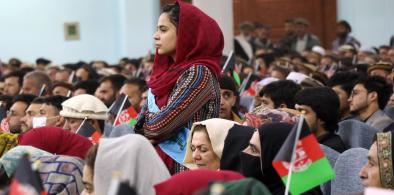
Being oblivious to the history and traditions of Afghanistan, misreading the local culture, or a sickening obsession with 'Islamic terrorism' has always clouded the reality for the West, writes Anondeeta Chakraborty for South Asia Monitor
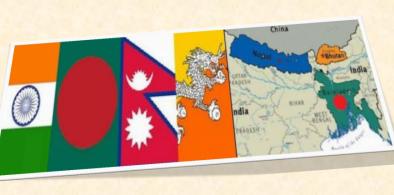
The Bangladesh-Bhutan-India-Nepal (BBIN) sub-regional group has the potential to multiply the prosperity of its members, writes Amb. Sarvajit Chakravarti (retd) for South Asia Monitor

Pakistani analysts say the civil-military 'hybrid arrangement' has been severely dented and mutual mistrust has set in, writes Mahendra Ved for South Asia Monitor

A potent Western Leg of Quad in partnerships with Russia, France, Japan and possibly Oman, South Africa, Indonesia and Singapore remains a must to craft, writes Lt Gen Yash Malhotra (retd) for South Asia Monitor
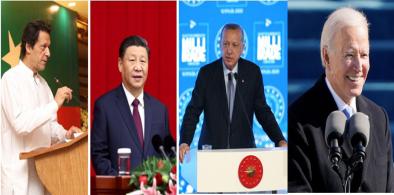
A US drone base in Pakistan will adversely affect Pakistan-China relations; it will arouse Taliban anger with whom Islamabad is negotiating to curb the Tehrik-i-Taliban Pakistan (TTP), writes Lt Gen P. C. Katoch (retd) for South Asia Monitor
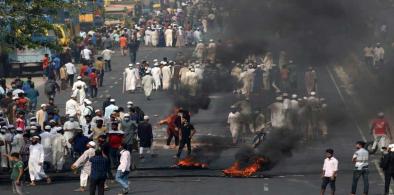
Attacks on Hindu localities and places of worship, like temples and Durga Puja mandaps, are aimed at terrorizing Hindus so that they don't assert politically, stay away from voting and even vote against Awami League in frustration at lack of protection, writes Subir Bhaumik for South Asia Monitor

The Turkish actors are immensely popular in Pakistan, even as the women actors, glamorous and without any veils, even sporting swimwear in real lives, have drawn criticism from the Pakistani conservatives, writes Mahendra Ved for South Asia Monitor
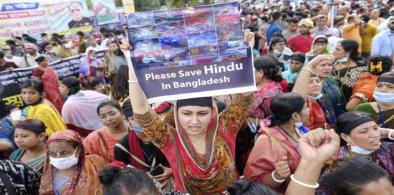
While the ruling Awami League remains committed to protecting the minorities, the administration has been often unable to prevent Islamist rampages, writes Tapas Das for South Asia Monitor

Instead of following the unsustainable growth example of the US and China, which is based on extreme greed and a very materialistic outlook, we should give the world a new direction of development where high technology is guided by spirituality, writes Anil K. Rajvanshi for South Asia Monitor

Had it not been exploited by Pakistan economically for 24 years (1947-71), Bangladesh would have gone further ahead, writes Pathik Hasan for South Asia Monitor