The progress of India’s air bubble agreements with neighbouring South Asian countries bears watching in the period ahead, writes N Chandra Mohan for South Asia Monitor


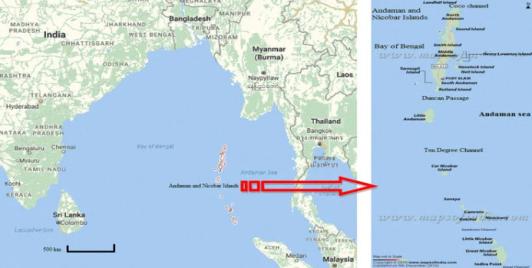
The Great Nicobar Island Development Project (GNIDP) is a mammoth venture by India to strategically strengthen its presence in the Andaman Sea and Southeast Asia with its own transshipment hub. The mega-infrastructure project spans approximately166.10 sq km covering about 15% of the total landmass of Great Nicobar Island at the southernmost tip of the Andaman and Nicobar archipelago.

An Emirati airline, an Indian captain, Israeli passengers, and Saudi authorities all played a part. India, re-elected to the ICAO Council last year, is well placed to push these standards into global aviation rules. The best tribute to Captain Machchhar is making sure the next crew never needs a hero.
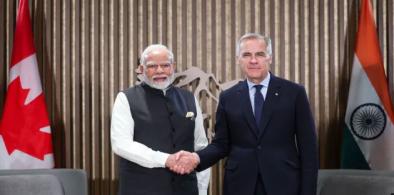
Canada hosts close to 1.9 million persons of Indian Origin (PIOs) and 3% of Canada’s population, one of the largest ethnic groups in Canada’s multiethnic and multicultural society. Although immigration policy of Canada has tightened in recent years, yet a lot of students who study in Canada prefer to stay back and work in Canada acquiring permanent residency and citizenship.
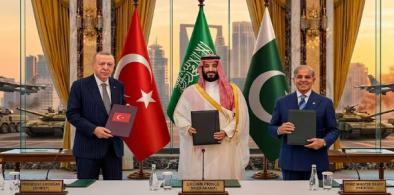
It would also explain why Pakistan is trying to preserve a distinction between supporting Saudi Arabia and fighting the Houthis. Pakistan has every reason to avoid another open-ended conflict in the Middle East. Its military is heavily committed to its own security challenges. Its economy cannot easily absorb the political and financial consequences

The progress of India’s air bubble agreements with neighbouring South Asian countries bears watching in the period ahead, writes N Chandra Mohan for South Asia Monitor
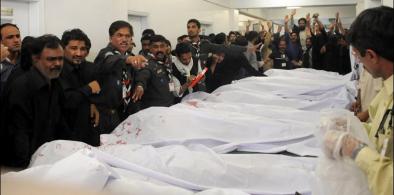
Though, the Pakistan government does not officially support discrimination against Shias, it is failing to efficiently counter the influence of extremists and bring an end to violence against the community, writes Sanchita Bhattacharya for South Asia Monitor
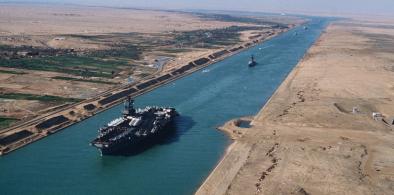
Had the Kra Canal come up, China would have taken control of it in all probability like the Hambantota Port in Sri Lanka giving it a tremendous strategic advantage, writes Lt Gen P. C. Katoch (retd) for South Asia Monitor

With the setting up of world-class education at low cost India will begin to attract students from neighbouring countries like Bangladesh, Maldives, Afghanistan, Nepal, and Sri Lanka for whom it is the first choice of destination when it comes to studying abroad, writes Dr. Sheenu Jain for South Asia Monitor
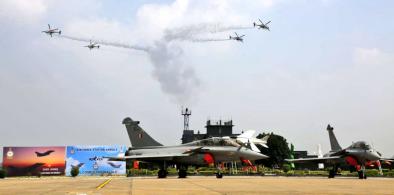
The Ambala media extravaganza ought to encourage an internal review by the Modi government about strategic communication and related signalling in matters military. Carry a big stick but talk softly is an adage that has not lost its relevance, writes C Uday Bhaskar for South Asia Monitor
Trade instruments like the South Asian Free Trade Area (SAFTA) and the Indo-Sri Lanka Free Trade (ISFTA) agreements are some of the gainful tools with which the US can use to access South Asia’s consumer markets, write Srimal Fernando and Vedangshi Roy Choudhuri for South Asia Monitor

It is high time that the child marriage rate - gone up during the pandemic - should be brought down drastically and for this, the Bangladesh government, NGOs, and society at large should work together to put an end to this menace, writes Sarmin Akter for South Asia Monitor
Cross border marriage, i.e., matrimony between Nepali son/daughter and India’s son/daughter, is very common in bordering districts of Uttar Pradesh and Bihar. This is the reason why Nepal's Madheshis treat Indian soil as their relatives’ home, not a foreign land, write Jivesh Jha & Roshan Kumar Jha for South Asia Monitor
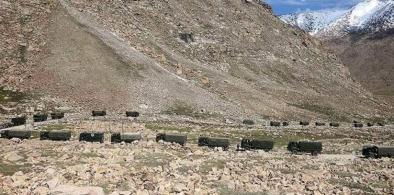
The Chinese had realised that not only were they outnumbered but totally outflanked, making their position untenable. Any armed clash hereafter would have been suicidal, writes Anil Bhat for South Asia Monitor
India has tremendous goodwill and support from the international community which will influence Chinese future manoeuvres against India, writes Lt Gen PR Kumar (retd) for South Asia Monitor
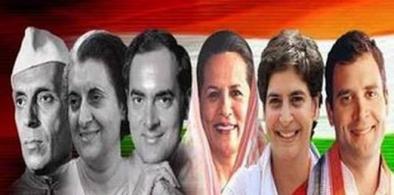
Though the party crisis seems to have blown over, for the time being, the future of the Congress does not appear to be bright. And it has nothing to do with the ruling Bharatiya Janata Party (BJP), writes Vinod Aggarwal for South Asia Monitor
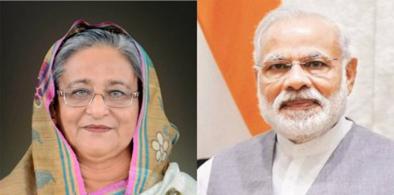
India-Bangladesh relations have grown deeper and wider in scope in the past decade. But irritants and hitches can develop between neighbours with even the best of ties, writes Shubha Singh for South Asia Monitor

It can safely be concluded that 2020 is the year the Indian American community has become relevant in American politics, writes Frank Islam for South Asia Monitor
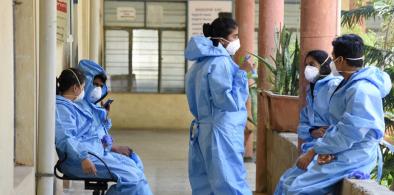
Oncologists across the world have expressed concern over the probability of rising cancer mortality and morbidity, not because of the coronavirus pandemic per se, but because of the inability of the healthcare system to treat cancers as it normally should, writes Dr (Col) R Ranga Rao for South Asia Monitor
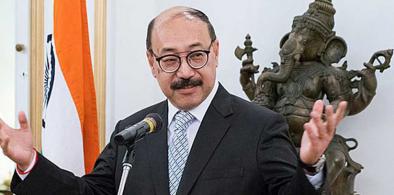
Bangladesh takes a neutral position to whatever happens between the two Asian giants, but Chinese President Xi Jinping's growing influence and strong defence ties with Bangladesh are making India concerned, writes Sarmin Akhter for South Asia Monitor