This judgment not only addresses the immediate concern of protecting the GIB but also provides a strategic framework for balancing ecological conservation with sustainable development.


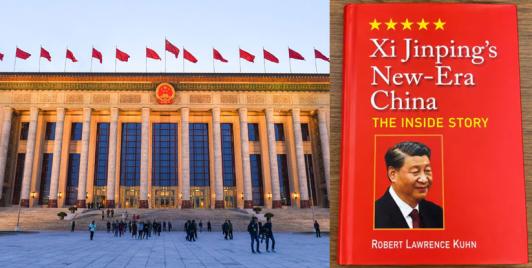
Kuhn says if the first half of this century is being defined by USA-China relations, the second half may well be defined by India-China relations and, in the New World Order, "India-China relations will likely become the most pivotal.....for the entire world".
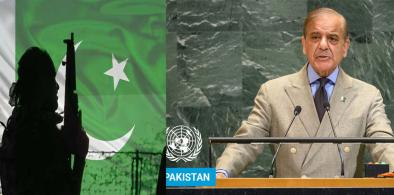
The strategic equation has irrevocably shifted. Pakistan’s long-standing attempt to separate itself from its proxies has failed, replaced by the reality of a state struggling with the infrastructure it created. As these groups operate with increasing autonomy, the world community is left with a clear conclusion
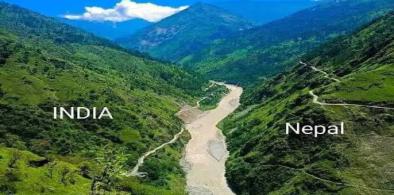
Supported by the Transboundary Rivers of South Asia Programme (TROSA), this led to formation of grassroots networks, including the India-Nepal Joint Action Forum (INJAF) through which civil society organisations and local communities could raise common riverine concerns with officials in their respective countries. Many women in the community participate in these programs, leading to development of women’s empowerment centres (Mahila Mandals).
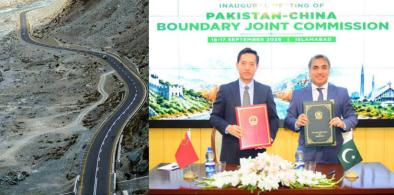
The Pakistan-China Boundary Joint Commission needs to be viewed in backdrop of the fast-changing geopolitics of South Asia and its military implications. The Shaksgam Valley sits immediately north of the Siachen Glacier and just west of Aksai Chin under China's control. By controlling Shaksgam, China can jointly monitor Indian military movements from the north while Pakistan does so from the south.
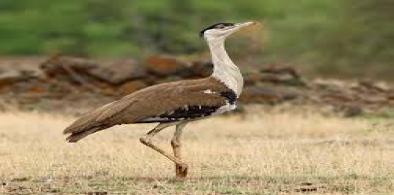
This judgment not only addresses the immediate concern of protecting the GIB but also provides a strategic framework for balancing ecological conservation with sustainable development.
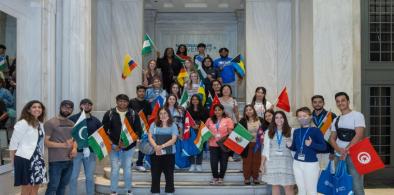
Apart from the substantial loss in revenue, international students, especially from India who are aspiring to study abroad, are seeking out alternative destinations that are more welcoming, such as Germany, Japan, Ireland, Israel and Russia.
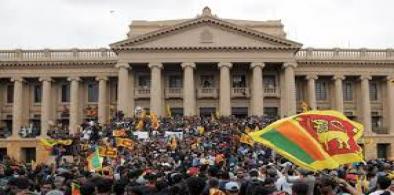
Just twenty years ago, India's neighboring countries, apart from Pakistan, were solely dependent on India. But now all the small countries except Bhutan are trying to identify themselves as neutral countries in the India-China rivalry.

Even so, Bhansali’s project has evoked considerable interest in Pakistan since the word went out that he was once considering casting Fawad Khan and Mahira Khan, two of the top stars who have acted in Bollywood films. “Then, politics entered,” one of them rued.

Despite the myriad challenges faced by Western journalists in covering South Asia, maintaining journalistic integrity is non-negotiable. This entails a rigorous commitment to fact-checking, corroborating information from diverse sources, and challenging ingrained biases.
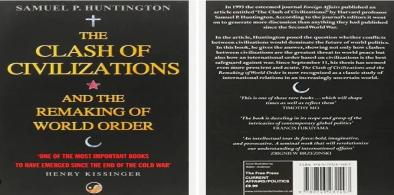
India and China represent the future, America (West) the present, and Europe the past; Islam has a long way to go.
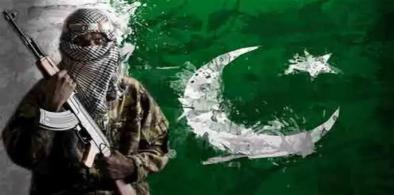
The growing camaraderie between Pakistan’s military and the ISK poses a threat to the entire South Asian region.
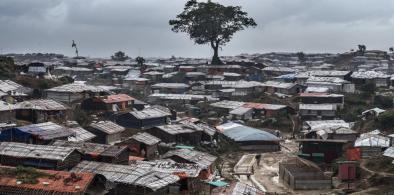
The encampments in Cox's Bazar have metamorphosed into hotbeds of militant activities, underpinned by the infusion of funds from the Middle East, Pakistan, and other nations, which are cynically utilized to perpetrate a nexus of militancy within these precincts.
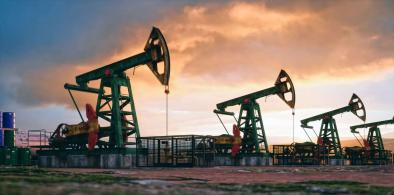
The revival of trade relations with old friend Russia is the turning point in India’s oil dependency on the Arab world. This has strengthened India’s resilience to oil shock to a considerable extent.
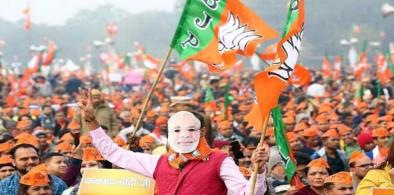
All in all, the issues on the agenda are very different from the issues that the BJP thought would be on the agenda. The finals could go down to the wire and there will be many lessons learned once the votes are counted and the results are declared.
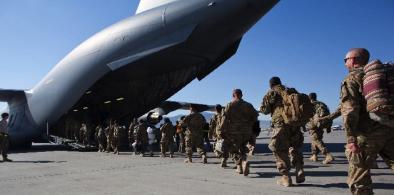
India, which found itself quite behind the curve like the US in gauging the rapidly changing political dynamics, first shut down its consulates and then its embassy just as the Afghan Republic collapsed on August 15, 2021. But once it realised it would be foolhardy to expect the revival of the Republic, it tacitly started mending fences with the Taliban, sending what it called a "technical team" to Kabul, resumed humanitarian aid, and discontinued diplomatic support to the embassy in New Delhi that was in the hands of representatives of the ousted Ghani government
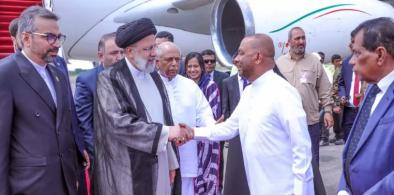
Before visiting Sri Lanka, Raisi visited Pakistan as part of his South Asian tour, and it is a salient factor that both Pakistan and China are equally important to the BRI as the Chinese have invested millions of dollars in both countries.
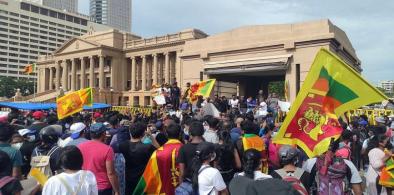
This nerve centre of protests proved to be a fertile ground for new ideas and creative approaches to digital activism and served as a beacon of hope for many Sri Lankans seeking positive change.
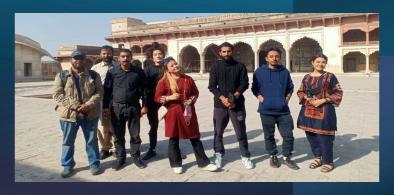
The sense of being ‘South Asian’ has seeped into the consciousness of artists and designers trained in Lahore. They find common linkages long after they have left when they find themselves co-exhibiting in art fairs, galleries, and museums.
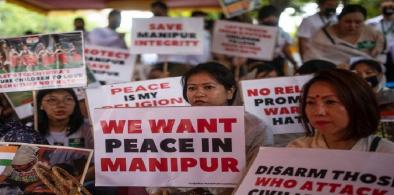
Most importantly, does the rise, arming, and free hand given to Arambai Tenggol signal the arrival of private political armies in India?