I would like to thank President Biden for taking this initiative. Humanity is battling a global pandemic right now


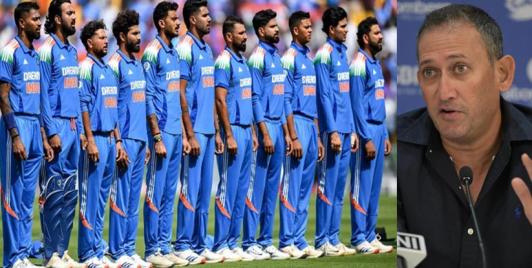
For all the glamour surrounding Indian cricket, the selector remains one of its least celebrated figures. He must look beyond the next headline, the next controversy, and even the next defeat. His finest decisions may never make the headlines. His mistakes certainly will.

South Asia’s climate risks are shared across countries. Rivers such as the Ganga, Brahmaputra and Indus do not respect national boundaries, and torrential rains in one country can lead to floods in another. Satellite data, flood forecasts and flood warnings could, therefore, be shared to enhance disaster preparedness across the region.

The British Council's South Asia dialogue on TNE brought together policymakers, quality-assurance agencies, experts and higher education leaders from five South Asian countries and the United Kingdom. The discussions covered TNE policy, quality assurance, partnership management and mutual recognition of qualifications.
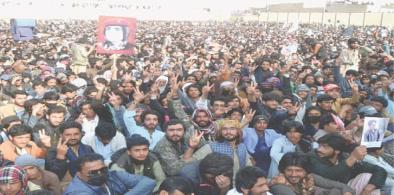
The CMSPP can help Balochistan address one of the most pressing challenges it encounters today – youth unrest and militancy. The radical Islamic groups and terrorist organizations often utilize the discontent of the youth of Balochistan to further their own agendas.
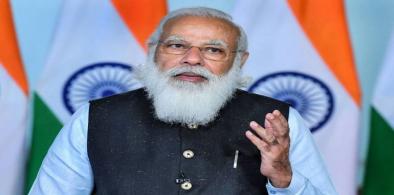
I would like to thank President Biden for taking this initiative. Humanity is battling a global pandemic right now
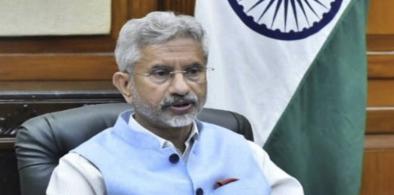
Mr. Sunil Kant Munjal, Chairman, Hero Enterprise:Thank you Sanju. Minister, thank you for making the time

Unnerving, the wait
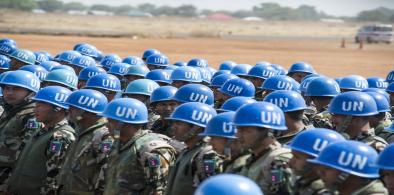
India is already battling Islamic extremists in Kashmir and the terrorists from the soil of Afghanistan and Pakistan would certainly increase the intensity of their attacks. It remains to be seen as to how India tackles this serious situation, writes N.S.Venkataraman for South Asia Monitor

In the Tavern one noisy night

Let’s talk today

Our real purpose in life is to first make our minds powerful and strong and then to give back the knowledge gained to others, writes Anil K. Rajvanshi for South Asia Monitor

Beauty lies in the eyes of the beholder

by Smt. Lata Mangeshkar - Angelic, and

With a veil of deep sorrow do I now my heart adorn
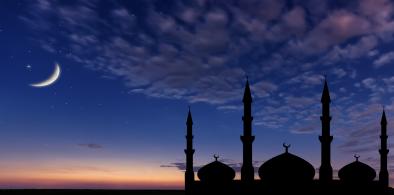
My faith firmly believes in equality, dignity, compassion, respect, tolerance, justice and peace for other faiths, writes Frank F Islam for South Asia Monitor
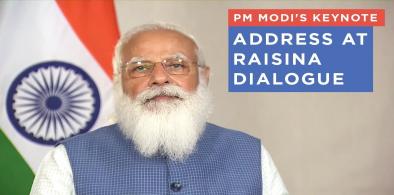
This edition of Raisina dialogue takes place at a watershed moment in human history. A global pandemic has been ravaging the world for over a year
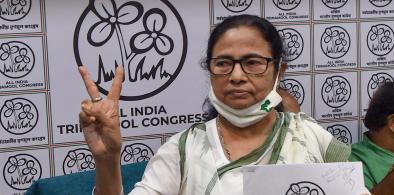
In the ongoing West Bengal state election some significant developments are taking shape, which may have far-reaching implications in the political scenario not only in West Bengal but all over India
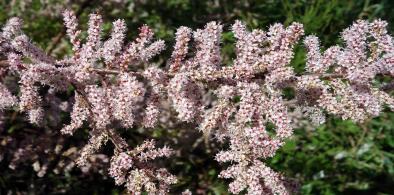
There is more to Manna than the Tamarisk tree

When the present, it torments you