





Diplomacy Cannot Wait: The Case for an Immediate Bangladesh–India Bilateral Visit
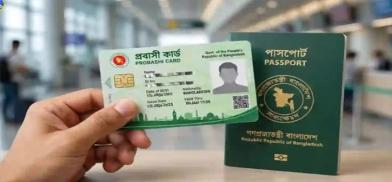
A more sensible and balanced engagement with India might help Bangladesh maintain its national interests while boosting its competitiveness in the region as it moves into the post-LDC transition period. A bilateral visit should happen soon to address Bangladesh's food, fertiliser and fuel shortages.
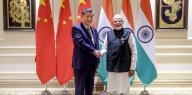
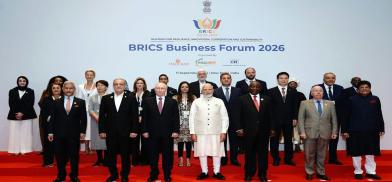
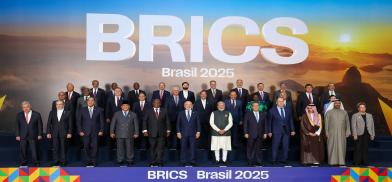
India Through a Different Lens: Post BRICS Summit, a Nuanced Change in Outlook Towards India in Chinese Media and Policy Circles
The real change, then, is not merely that Chinese media sounded friendlier towards India. It is that they assigned India a different place in the story. New Delhi appeared as a complex but consequential partner, whose strategic autonomy and cooperation matter to China's imagining of a changing world order.
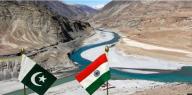
The Indus Waters Treaty: What Comes After The Hague Ruling?
Pakistan, for its part, will have to recognise that the old assumption of an immutable treaty operating independently of the broader India-Pakistan relationship has become untenable. Islamabad cannot expect the water relationship to remain insulated indefinitely from terrorism

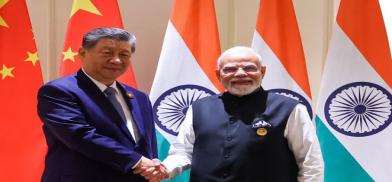
India-China Eight-Point Agreement: A Tactical Thaw, but Trust Remains Elusive
Hopes for Sino-Indian relations centre on a cautious diplomatic thaw, institutionalised border stability and renewed high-level engagement. Indian negotiators and defence planners are well aware that “trust must be verified”. While the activation of these eight points provides valuable channels to prevent an accidental kinetic clash on the ground, the real test of China’s sincerity will not be the joint statements signed in Beijing, but whether it ceases infrastructure build-ups and respects the historical patrolling rights of Indian troops along the LAC.