Amid pervasive expansion of Chinese influence in Myanmar, New Delhi doesn’t want to give further space to Beijing and feels the best option is to remain silent on the Myanmar military’s actions, writes Pema Tseten Lachungpa for South Asia Monitor


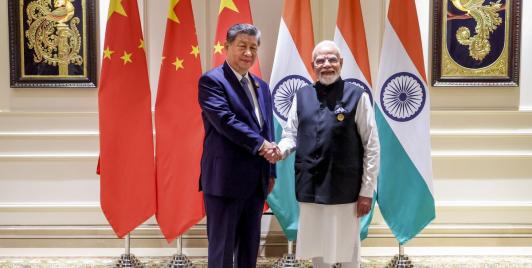
The real change, then, is not merely that Chinese media sounded friendlier towards India. It is that they assigned India a different place in the story. New Delhi appeared as a complex but consequential partner, whose strategic autonomy and cooperation matter to China's imagining of a changing world order.
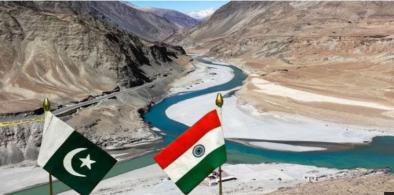
Pakistan, for its part, will have to recognise that the old assumption of an immutable treaty operating independently of the broader India-Pakistan relationship has become untenable. Islamabad cannot expect the water relationship to remain insulated indefinitely from terrorism
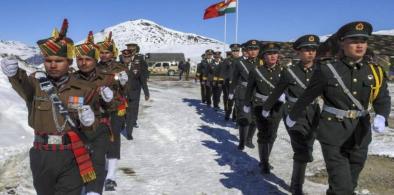
Hopes for Sino-Indian relations centre on a cautious diplomatic thaw, institutionalised border stability and renewed high-level engagement. Indian negotiators and defence planners are well aware that “trust must be verified”. While the activation of these eight points provides valuable channels to prevent an accidental kinetic clash on the ground, the real test of China’s sincerity will not be the joint statements signed in Beijing, but whether it ceases infrastructure build-ups and respects the historical patrolling rights of Indian troops along the LAC.
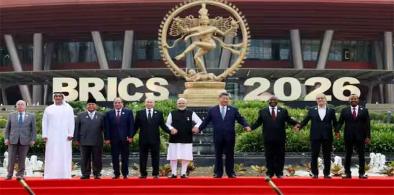
By removing the ‘Indo’ prefix from Indo-Pacific the US implicitly acknowledges that it no longer unilaterally defines the eastern strategic landscape. Regional organisations like BRICS continue to redefine the lexicon of ‘rules-based order’ to insulate themselves from western domination.
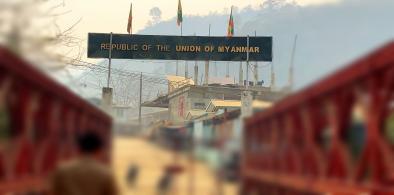
Amid pervasive expansion of Chinese influence in Myanmar, New Delhi doesn’t want to give further space to Beijing and feels the best option is to remain silent on the Myanmar military’s actions, writes Pema Tseten Lachungpa for South Asia Monitor
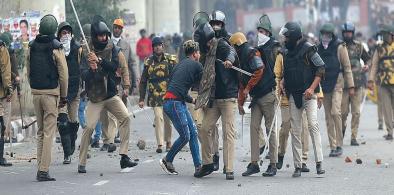
Police brutality in India is a form of institutional violence as it is closely connected with law enforcement and torture is perceived as an expeditious method of policing, writes Rahul Machaiah for South Asia Monitor
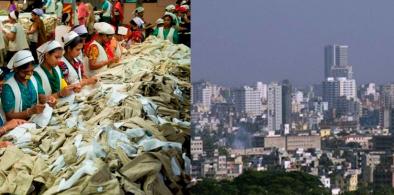
Politically, the Sheikh Hasina government has adroitly maneuvered a middle but autonomous road for Bangladesh, away from the influences of two regional powers, China and India, writes Aneek Chatterjee for South Asia Monitor
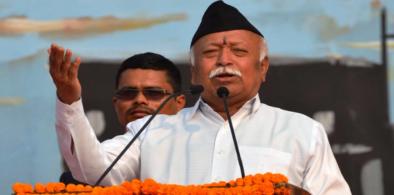
The nation, and especially Hindus and Muslims, will be waiting with bated breath to see what impact the RSS supremo’s advice has on the ruling BJP, writes Amulya Ganguli for South Asia Monitor

Dilip Kumar suffered during the phases when neighbors Pakistan and India went to war, but his popularity and the run of his films remained unaffected, on both sides of the border, writes Mahendra Ved for South Asia Monitor
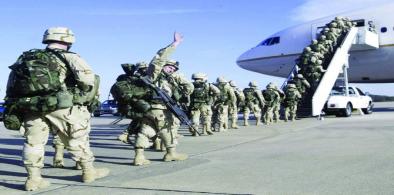
Pakistan fails to realize that with US troops exiting Afghanistan, Washington will no longer overlook the generation of terrorism and recruitment of child soldiers by Pakistan, especially when it is wedded to Beijing against the US, writes Lt Gen P. C. Katoch (Retd) for South Asia Monitor
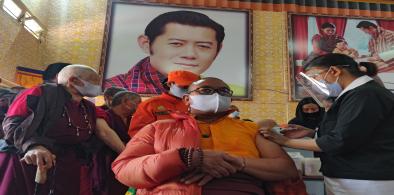
Although Bhutan will succeed in its vaccination drive, the scramble in the South Asian region for doses underscores the highly iniquitous access to vaccines to fight Covid-19, writes N. Chandra Mohan for South Asia Monitor

The Chinese Communists were never shy in shaking hands with insurgents and rebels from India. In contrast, the Dalai Lama has never wielded a weapon. In that sense, he is also a Mahatma Gandhi, writes M.R. Narayan Swamy for South Asia Monitor
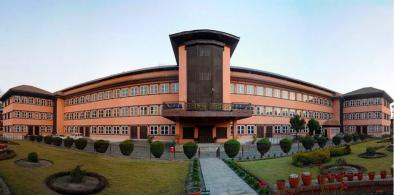
The Supreme Court of Nepal issued 246 verdicts in 2019-2020 to be implemented by the various ministries, The government, in most cases, didn’t comply with the court orders, writes Ravi Nayak for South Asia Monitor

The government’s vaccination outreach to remote border areas, in Kashmir and the Northeast, and the local people's smiling embrace of these efforts was an indication of their comfort level and confidence in the Indian system, writes Nilova Roy Chaudhury for South Asia Monitor
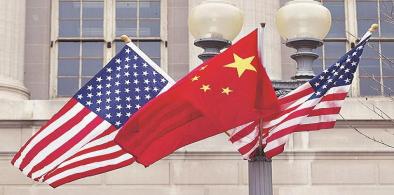
In the long run, if tactically implemented, the B3W initiative can also help India and its allies balance China’s String of Pearls strategy in South Asia and beyond, writes Pradeep S. Mehta for South Asia Monitor
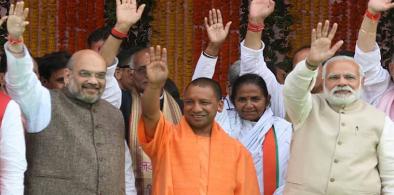
A defeat in Punjab or in Goa will not bother the BJP too much. But UP is different not only because its location in the heartland has always provided significant pointers about political trends, writes Amulya Ganguli for South Asia Monitor
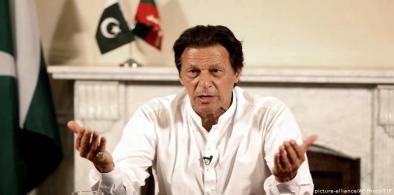
“Hollywood-Bollywood vulgarity” has been one of Imran Khan’s pet peeves for long and he has ordered the drafting of a new nationalist, culturally-centred film policy for Pakistan that is yet to be made public, writes Mahendra Ved for South Asia Monitor
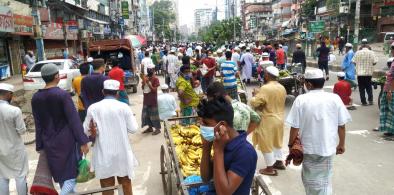
Public health experts believe that Bangladesh, despite having a good record of conducting vaccination programs, has failed in the case of the Covid jabs because of its earlier reliance on a single vaccine, writes Rakib Al Hasan for South Asia Monitor
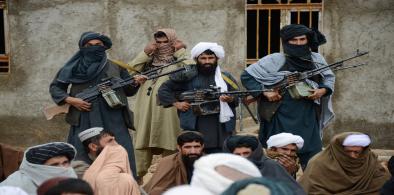
If the Afghan government can accurately manage the spontaneous movements of the people and prevent them from becoming mere tools for the warlords, not only can it create a new front against the Taliban, but also mobilize public opinion to a large extent, as it is already doing to some extent, writes Saleem Payenda for South Asia Monitor