In Afghanistan, in addition to emitting millions of tons of carbon dioxide during the conflict, the US military footprint contributed more directly to the immediate destruction of the Afghan environment.


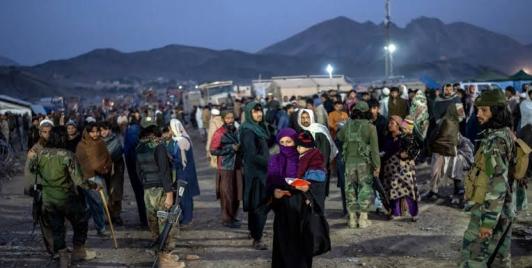
The anti-Taliban narrative of Pakistan is proving to be counterproductive as it is helping the Taliban to increase its regional outreach and internal consolidation of power. People in Afghanistan are uniting to support the regime’s unyielding posture towards Pakistan.
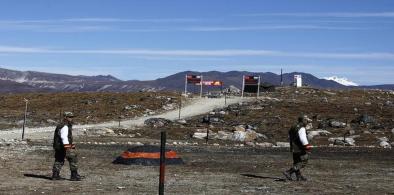
The Indian military views no disengagement in Arunachal Pradesh as part of a wider strategic recalibration, prompting India to match Chinese force rebalancing by shifting strike corps and resources equally across both northern and eastern fronts.
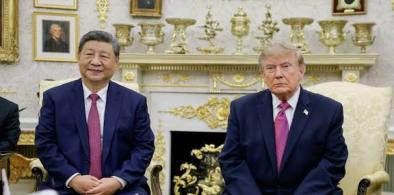
BRICS is acquiring greater visibility, while countries of the Global South continue to seek a greater voice in the international system. The desire for a more multipolar world is becoming increasingly evident. Over the next decade, this could produce a geopolitical configuration rather different from the one we have known since the end of the Cold War.
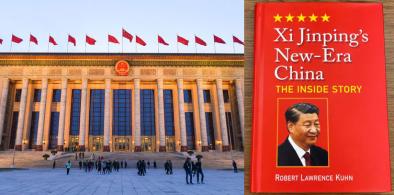
Kuhn says if the first half of this century is being defined by USA-China relations, the second half may well be defined by India-China relations and, in the New World Order, "India-China relations will likely become the most pivotal.....for the entire world".
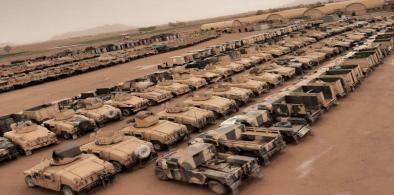
In Afghanistan, in addition to emitting millions of tons of carbon dioxide during the conflict, the US military footprint contributed more directly to the immediate destruction of the Afghan environment.
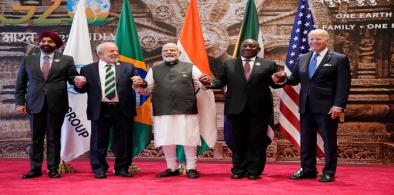
In a multipolar world, the relationships will be defined by the requirements in each separate space like security, economy, etc rather than gravitating wholesome to defined blocs.

With the Hamas attack on the Israeli music festival on October 7, it is no surprise that Israel, after years of not acting against the LeT, took action this year. It is possible that this gesture was initiated to garner support from India, which could eventually lead to India banning Hamas as well.
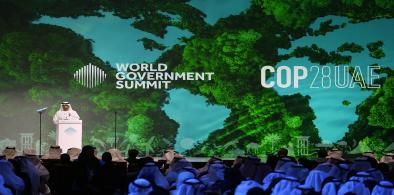
What happens in COP28 on Dubai’s climate conference battleground in the first half of December 2023 may not result in bloodshed but its consequences could be drenched in blood, mass migration, and starvation.

The evolution of mall cities in Sri Lanka represents a complex and multidimensional transformation that intertwines economic, technological, environmental, and social dimensions.
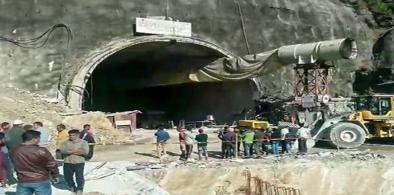
Why then after 18 years we have had to get foreign help and equipment for the Silkyara tunnel rescue? Should this equipment and capability not be with the National Disaster Response Force (NDRF)?
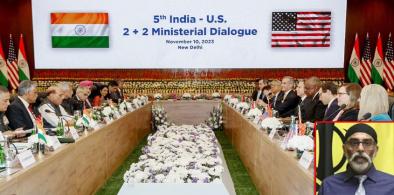
Both Ottawa and Washington have historically been rather lackadaisical, if not downright conniving, in their dealing with India’s decades-long attempts to act against the Khalistan movement’s violent underpinnings in the two countries.

Overall, whether one opts for the casual charm of hi-tea platters or the indulgent variety of hi-tea buffets, Sri Lanka's hi-tea culture seamlessly blends British colonial influences with local traditions, adding a unique and culturally rich touch to this eating-out experience.

The South Asian region is home to an estimated 1.7 billion people, representing around 25 percent of the world’s population and also accounts for 25 percent of the world’s road crash fatalities.
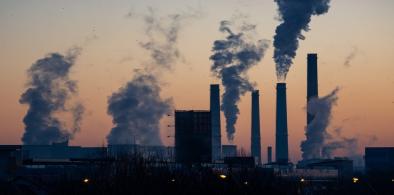
India is one country, but its 28 states are as diverse as the 27 nations of the European Union in language, culture, cuisine and economic development. The 27 nations together put out almost as much emissions as India at 3.1 million kilotonnes with only a population of 448 million, a third of India’s, for a per capita output of 5.5 tonnes.
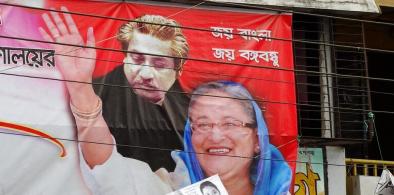
India's position on the upcoming election is consistent with its friendly and good-neighborly relations with Bangladesh, its national interests, and international legal principles. Elections are an internal affair of Bangladesh, and only the Bangladeshi people have the right to decide their future.
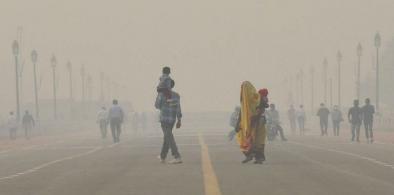
The power plants, cement and fertiliser units, and chemical industries have to be encouraged to utilize the paddy straw for the production of manure, briquettes and ethanol. These units could be provided the responsibility and authority of cutting the paddy straw from the fields after paying a nominal fee to the farmers. The arrangement could be a win-win situation for the paddy growers as well as user industries
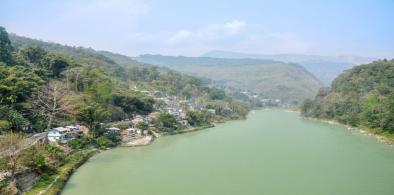
It is imperative that Infrastructural requirements like roads, bridges, tunnels, power plants and other industries should be weighed against their ecological impact by experts and their cost-benefit analysis undertaken before final decisions are taken. The damage done by man to nature can sometimes be irreversible and irredeemable.
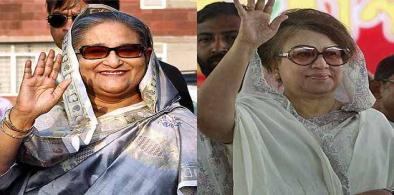
This despite full knowledge that the BNP and its permanent ally Jamaat e Islami are aligned with China and Pakistan. During the earlier BNP regimes in Bangladesh, major state-supported anti-India terrorist camps were running in that country, mainly in the Chittagong Hill Tracts, which also had instructors from Al Qaeda and Pakistan’s army-ISI.
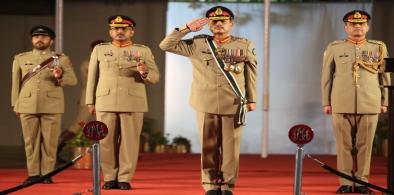
Any facet of the economy one might imagine has the army's hand over it as evidenced in 2016 when the Pakistan Senate reckoned that the army operated more or less 50 commercial entities. Between 2011 and 2015 the Fauji Foundation, which perhaps serves as a facade for the Pakistani military’s commercial wing, grew its assets by 78 per cent.