





AI, Energy, Health, and Integrity: South Asia’s New Frontline Against Procurement Corruption
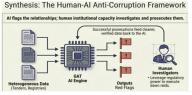
South Asia’s future depends on reliable infrastructure and trustworthy public services. Artificial intelligence—especially advanced technologies such as Graph Attention Networks—offers governments a powerful tool to reduce corruption in procurement, improve healthcare delivery, strengthen energy security and enhance public trust.

How to Lose a Country in Four Years: Will the Taliban be Architects of Their Own Demise?
Yet ordinary Afghans refuse to stay silent. In Balkh province, people are turning public walls into canvases of defiance, spray-painting graffiti demanding education, rights, and freedom. These acts of artistic resistance, risking arrest and worse, echo the courage of exiled artists like Shamsia Hassani and Fatima Wojohat, whose work continues to amplify the cry for justice. Such quiet rebellion signals a population no longer cowed.

Trincomalee Energy Hub Development Will be a Strategic Milestone in India-Sri Lanka Ties
If one location matters most to India in Sri Lanka, it is Trincomalee. With one of the finest natural harbours in the world, Trincomalee has immense commercial, naval, and energy value. For decades, strategists in New Delhi have viewed it as critical to the security architecture of the Bay of Bengal.

SAARC vs BIMSTEC: Why Regional Integration is Failing in South Asia
South Asia cannot remain an archipelago of isolated economies connected only by shared history and mutual suspicion. Changing acronyms does not change reality. Summit declarations will not achieve true economic integration. True integration requires the political courage to dismantle physical and bureaucratic walls. Only then will the region stop holding its immense potential captive.