Can the EU hope for forward-looking language on at least a limited trade deal between India and the EU?, writes Amb Bhaswati Mukherjee (retd) for South Asia Monitor


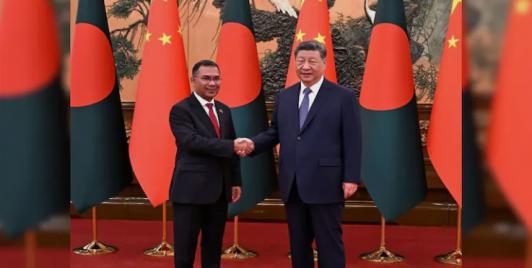
New Delhi's wariness is not really about the river, or even the defence talks in isolation. It is about what Chinese capital and now a nascent security channel, both sitting in a border-adjacent basin, imply for India's own economic and security position.
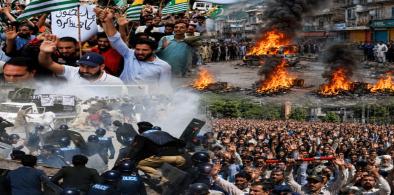
Any further instability in the region carries security implications for both countries. Escalating unrest along an already sensitive frontier can heighten tensions and reduce the already limited space for dialogue between New Delhi and Islamabad.
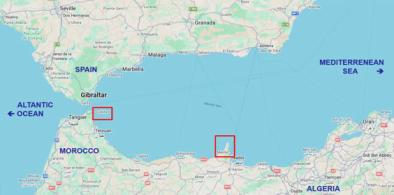
Rightly, India is now treating mass irregular Rohingya migration as an engineered, hybrid national security threat that requires a coordinated border guarding, diplomatic, and legal response.
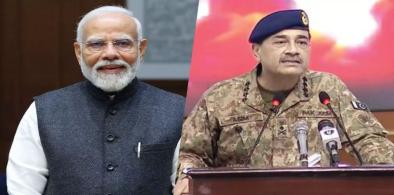
Ultimately, sustainable peace between India and Pakistan cannot be built merely through meetings or declarations. It requires a fundamental transformation in Pakistan's approach towards terrorism, regional stability and bilateral relations. Until that happens, comprehensive dialogue is unlikely to produce meaningful outcomes.
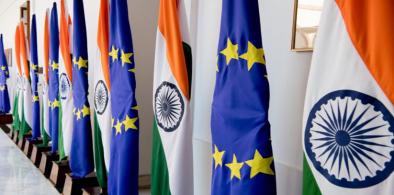
Can the EU hope for forward-looking language on at least a limited trade deal between India and the EU?, writes Amb Bhaswati Mukherjee (retd) for South Asia Monitor
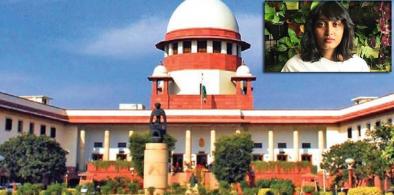
The Supreme Court of India has categorically held that criticism of the government, however harsh, does not amount to sedition unless violence is incited, writes Rahul Machaiah for South Asia Monitor
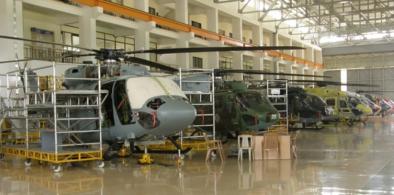
Fifty years of bitter experience should prompt the Prime Minister’s Office (PMO) to initiate a major paradigm-shift in India's defence-industrial programmes, writes Admiral Arun Prakash (retd) for South Asia Monitor
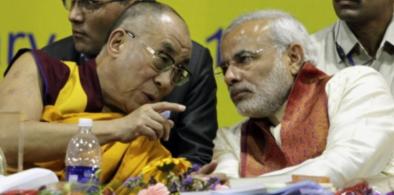
India must seek a larger role for the Dalai Lama and the Central Tibetan Administration in the international arena, write Pradeep S. Mehta and Jithin Sabu for South Asia Monitor
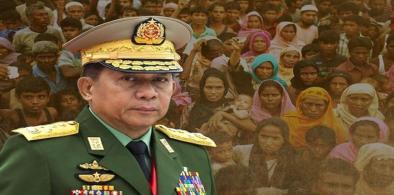
Bangladesh should keep raising the Rohingya issue in all international forums. It should continue its efforts in various diplomatic arenas to exert more international pressure on Myanmar for a quick Rohingya repatriation, write MD Sakib Hossain & Kawsar Uddin Mahmud for South Asia Monitor
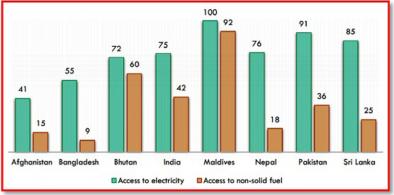
Asia has significant scope for regional cooperation and collaboration among its energy-deficient and energy-sufficient regions to enhance its overall energy security, writes Partha Pratim Mitra for South Asia Monitor
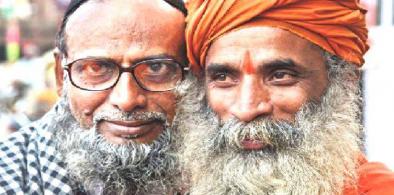
Communal or sectarian violence poses a serious threat not only to India’s secular and democratic spirit but also wreaks serious havoc on its economy, writes Asif Rameez Daudi for South Asia Monitor
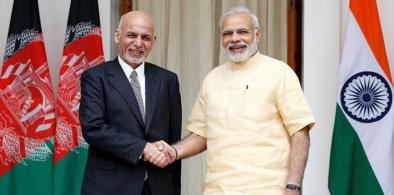
The Shahtoot Dam project will be India’s second-largest in Afghanistan after the Salma Dam project. This would invariably help mitigate water scarcity in the country, writes Amb Tahir Qadiry for South Asia Monitor
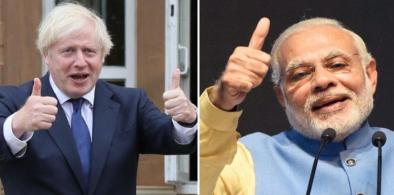
Brexit could translate into an opportunity for India to reset the legal terms of its trade with the UK and EU at the multilateral level as well as through free trade agreements (FTA). This remains a formidable challenge, writes Amb Bhaswati Mukherjee (retd) for South Asia Monitor
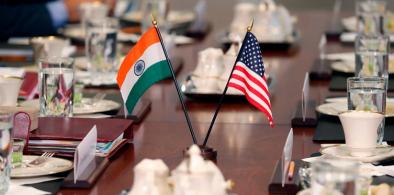
India's much weaker economic clout in comparison to China's, its controversial and polarising domestic policies, and the lack of dependability have all prompted the rest of its neighbours to embrace the Dragon, helping strengthen its "string of pearls" strategy, writes E D Mathew for South Asia Monitor
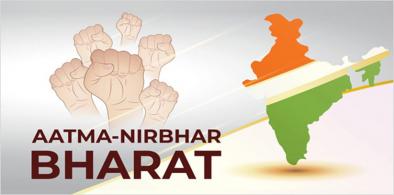
Being Asia’s third-largest economy, India has been criticized by the US, China, and the EU for rising trade barriers and restrictive investment policies at the World Trade Organization’s (WTO) Trade Policy Review, writes Manjari Balu for South Asia Monitor
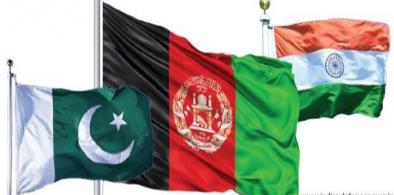
It is critical for India to make some uncomfortable choices to safeguard its strategic interests in Afghanistan, write Prashant Rastogi and Swati Sinha for South Asia Monitor
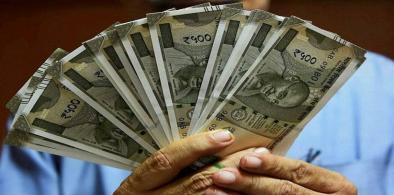
However, progress towards a USD 5 trillion economy has so far been elusive. The goalposts are also shifting. Even at the scorching pace likely in 2021-22, the economy will hit USD 5 trillion only in 2025-26, writes N Chandra Mohan for South Asia Monitor
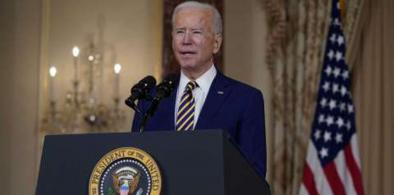
Biden's predecessor Donald Trump had made the Indo-Pacific region, the main theatre of confrontation, a focus of his strategy on China with the Quad – US, India, Japan and Australia – as an emerging force there, an alliance of democracies bookended by the US and India, writes Arul Louis for South Asia Monitor
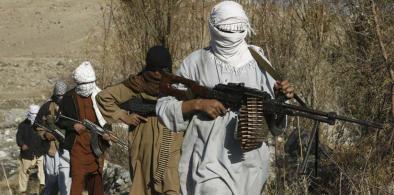
The first gathering of Afghanistan and Indian Islamic scholars was held at India Islamic Cultural Centre in New Delhi and held that the war in Afghanistan and targeting of civilian institutions was illegitimate and there is no religious justification for it, writes Sayed Ziaullah Hashimi for South Asia Monitor