India and Pakistan’s toxic official relations continue to take a human toll and hold South Asia hostage even as the region deals with the crisis of climate change which includes fish migration patterns, writes Beena Sarwar for South Asia Monitor


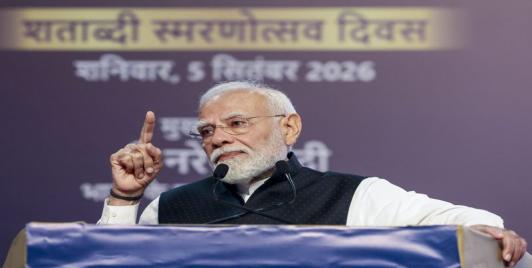
For China to achieve its hegemonic ambitions in Asia, weakening democracies is essential. India, therefore, stands as an iron wall against illiberal encroachments, positioning itself as both a regional hegemon and a defender of democratic order.
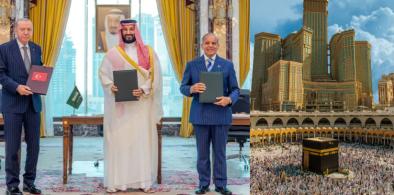
The Mecca Pact, barely a month old, has already been discredited. Its authenticity is in question, its efficacy doubtful. The very notion of an “Islamic Nato” has been exposed as a mirage. Collective defence requires not just declarations but capabilities, coordination and political will. None of these are evident in the pact’s functioning.
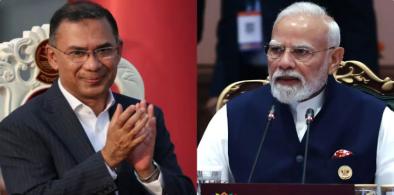
A more sensible and balanced engagement with India might help Bangladesh maintain its national interests while boosting its competitiveness in the region as it moves into the post-LDC transition period. A bilateral visit should happen soon to address Bangladesh's food, fertiliser and fuel shortages.
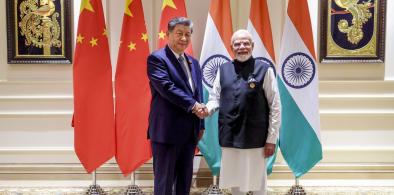
The real change, then, is not merely that Chinese media sounded friendlier towards India. It is that they assigned India a different place in the story. New Delhi appeared as a complex but consequential partner, whose strategic autonomy and cooperation matter to China's imagining of a changing world order.
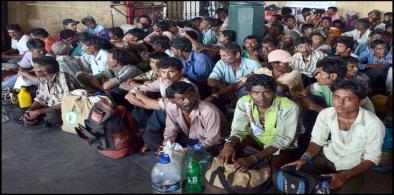
India and Pakistan’s toxic official relations continue to take a human toll and hold South Asia hostage even as the region deals with the crisis of climate change which includes fish migration patterns, writes Beena Sarwar for South Asia Monitor
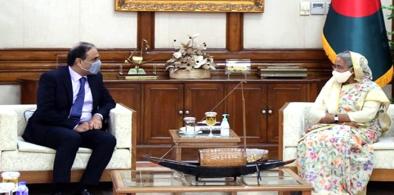
China and Pakistan are always scouring for opportunities by utilizing any kind of strain in Bangladesh-India ties, and would obviously try to exploit the present regional political scenario, writes Pathik Hasan for South Asia Monitor
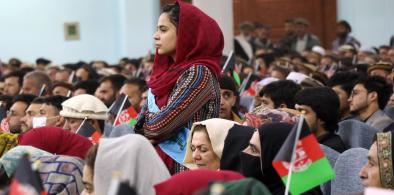
Being oblivious to the history and traditions of Afghanistan, misreading the local culture, or a sickening obsession with 'Islamic terrorism' has always clouded the reality for the West, writes Anondeeta Chakraborty for South Asia Monitor
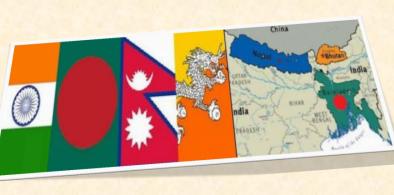
The Bangladesh-Bhutan-India-Nepal (BBIN) sub-regional group has the potential to multiply the prosperity of its members, writes Amb. Sarvajit Chakravarti (retd) for South Asia Monitor
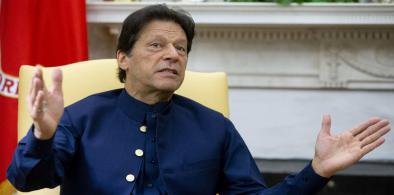
Pakistani analysts say the civil-military 'hybrid arrangement' has been severely dented and mutual mistrust has set in, writes Mahendra Ved for South Asia Monitor

A potent Western Leg of Quad in partnerships with Russia, France, Japan and possibly Oman, South Africa, Indonesia and Singapore remains a must to craft, writes Lt Gen Yash Malhotra (retd) for South Asia Monitor
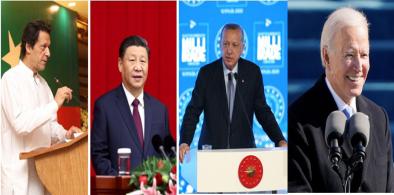
A US drone base in Pakistan will adversely affect Pakistan-China relations; it will arouse Taliban anger with whom Islamabad is negotiating to curb the Tehrik-i-Taliban Pakistan (TTP), writes Lt Gen P. C. Katoch (retd) for South Asia Monitor
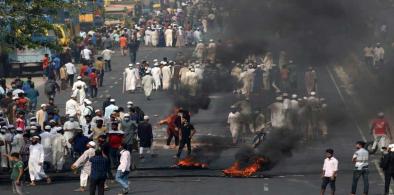
Attacks on Hindu localities and places of worship, like temples and Durga Puja mandaps, are aimed at terrorizing Hindus so that they don't assert politically, stay away from voting and even vote against Awami League in frustration at lack of protection, writes Subir Bhaumik for South Asia Monitor
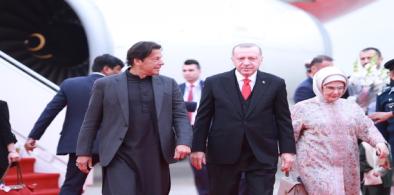
The Turkish actors are immensely popular in Pakistan, even as the women actors, glamorous and without any veils, even sporting swimwear in real lives, have drawn criticism from the Pakistani conservatives, writes Mahendra Ved for South Asia Monitor
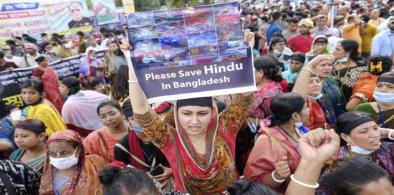
While the ruling Awami League remains committed to protecting the minorities, the administration has been often unable to prevent Islamist rampages, writes Tapas Das for South Asia Monitor

Instead of following the unsustainable growth example of the US and China, which is based on extreme greed and a very materialistic outlook, we should give the world a new direction of development where high technology is guided by spirituality, writes Anil K. Rajvanshi for South Asia Monitor
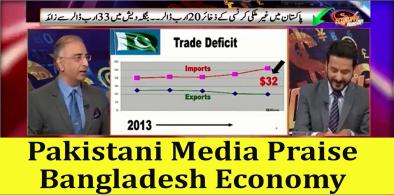
Had it not been exploited by Pakistan economically for 24 years (1947-71), Bangladesh would have gone further ahead, writes Pathik Hasan for South Asia Monitor
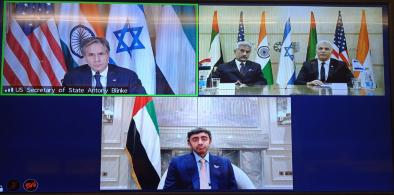
In a cooperative set-up of the four nations focused on the Middle East, UAE has the capital, Israel and the US the technology edge and India the manufacturing and execution capability, writes Arul Louis for South Asia Monitor
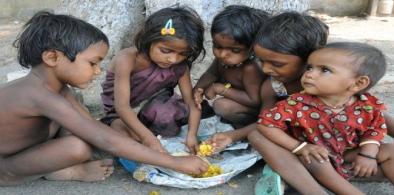
The GHI ranking given to India is certainly a wake-up call for the country, writes Partha Pratim Mitra for South Asia Monitor
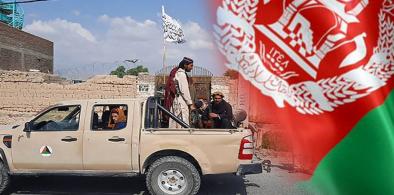
Pakistan has shifted anti-India terrorist camps into Afghanistan and there is evidence of the Taliban allowing Harkat-ul Ansar (HuA) to push terrorists from Afghanistan into Kashmir, writes Lt Gen P. C. Katoch (retd) for South Asia Monitor