The Modi-Trump conversation may appear transactional, but its implications are strategic. If the trade agreement concludes by November, it could mark a turning point, redefining not just tariffs, but the trajectory of India’s global engagement.


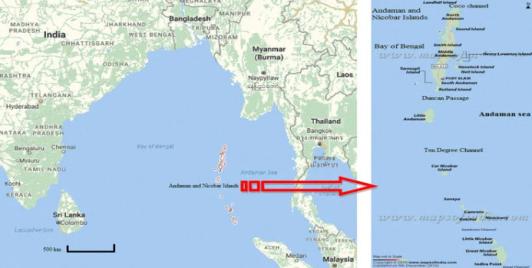
The Great Nicobar Island Development Project (GNIDP) is a mammoth venture by India to strategically strengthen its presence in the Andaman Sea and Southeast Asia with its own transshipment hub. The mega-infrastructure project spans approximately166.10 sq km covering about 15% of the total landmass of Great Nicobar Island at the southernmost tip of the Andaman and Nicobar archipelago.

An Emirati airline, an Indian captain, Israeli passengers, and Saudi authorities all played a part. India, re-elected to the ICAO Council last year, is well placed to push these standards into global aviation rules. The best tribute to Captain Machchhar is making sure the next crew never needs a hero.
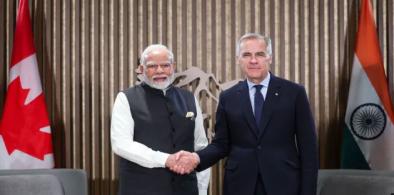
Canada hosts close to 1.9 million persons of Indian Origin (PIOs) and 3% of Canada’s population, one of the largest ethnic groups in Canada’s multiethnic and multicultural society. Although immigration policy of Canada has tightened in recent years, yet a lot of students who study in Canada prefer to stay back and work in Canada acquiring permanent residency and citizenship.
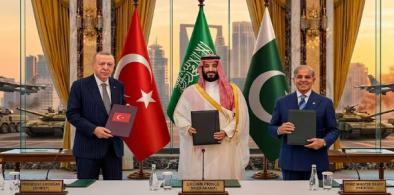
It would also explain why Pakistan is trying to preserve a distinction between supporting Saudi Arabia and fighting the Houthis. Pakistan has every reason to avoid another open-ended conflict in the Middle East. Its military is heavily committed to its own security challenges. Its economy cannot easily absorb the political and financial consequences
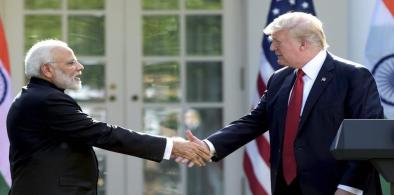
The Modi-Trump conversation may appear transactional, but its implications are strategic. If the trade agreement concludes by November, it could mark a turning point, redefining not just tariffs, but the trajectory of India’s global engagement.
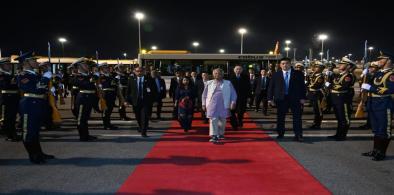
The Yunus-led interim government appears, at present, to be leaning toward China. That makes sense in the short term: Beijing offers quick cash, infrastructure projects, and military hardware without raising questions about democracy or human rights. Yet the government’s near-total neglect of India is strategically reckless. Geography cannot be wished away
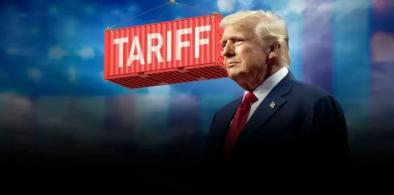
Far from isolating Russia, weakening China, or bending India and Brazil to Washington’s will, Trump's policies are uniting the Global South in ways unthinkable just a decade ago. They are creating new supply chains, strengthening regional blocs, and forcing nations to embrace economic self-determination.
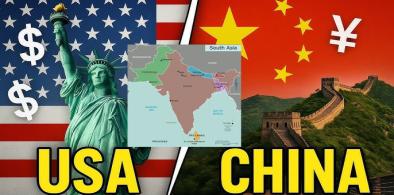
For now, Washington still holds the advantage at sea. Its fleets and bases across the Indo-Pacific keep Malacca under watch, reminding Beijing that maritime power remains America’s strongest card. But on land, China is advancing incrementally, building assets and leverage that could at some point tilt the balance. The contest between the American thalassocracy and China’s continental reach has only just begun.
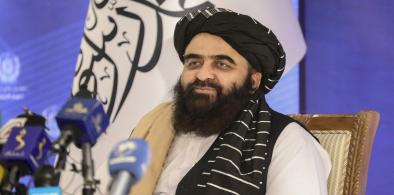
While there would be several strategic reasons for India to invite Muttaqi to India, New Delhi’s decision is being seen by women of Afghanistan as a betrayal. Under the Taliban’s misogynist edicts, women have been deprived of most human rights, including the right to education and assembly, reduced to faceless entities in the background where the world appears to have forgotten they exist.
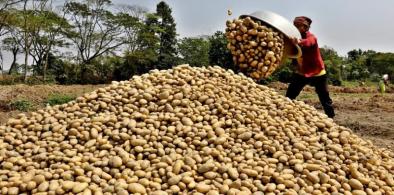
India is the world's second-largest producer and consumer of potatoes, with 51.30 million tons harvested in 2020. China leads the way, producing 78.24 million tons of potatoes in 2020. Together, the two nations account for more than one-third of global potato output (359.07 MT).
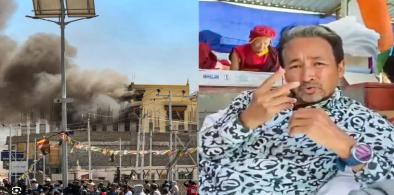
The politico-corporate nexus in India is a reality; corporates are given prized land since they substantially fund elections, because of which enormous bank loans given to them are written off periodically. In 2020, the government allotted 150 sq km of Ladakh pasture land to corporates with no safeguard to locals, who fear this may increase further, aggravating climate change and adversely affecting ecology.
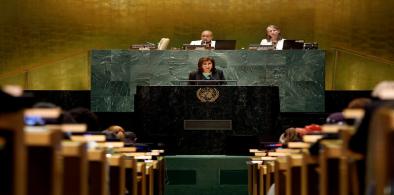
Women’s experience and role often remain invisible in global climate discussions. Representatives of major countries discuss economics and technology at international conferences, but the real suffering of local women is not included. Yet women know how to save seeds in farming, conserve rainwater, or save families during disasters.
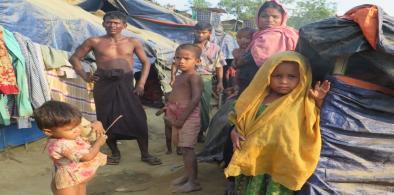
Bangladesh risks not just unrest in its hills but becoming an unwilling participant in a global proxy war. The fires of Khagragachi may be small compared with the wars across the border, but left untended, they could burn far beyond Bangladesh’s control.
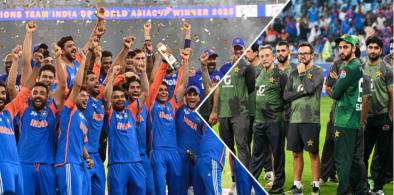
The question now is will these idiocies continue with the first India-Pakistan match of the 2025 Women’s World Cup scheduled on October 5, 2025. There may be more India-Pakistan matches in this series. Besides, the 2028 Summer Olympics in Los Angeles also includes cricket.
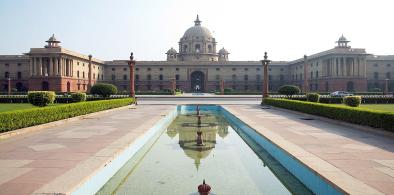
While India will hope to repair broken relations with the US, this is a defining moment when we are likely to witness the designing of a strategically decisive foreign and security policy. The Act East policy will, certainly, grow stronger reflecting the reality of the Rising East.
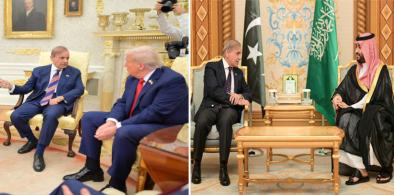
The Sharif-Yunus meeting, albeit routine, acquires a sharper edge because both Pakistan and Bangladesh are at loggerheads with India. The pervasive sense right now is that New Delhi is diplomatically besieged even as Islamabad craftily navigates its way out of its staggering economic crises and perpetually fractious polity.
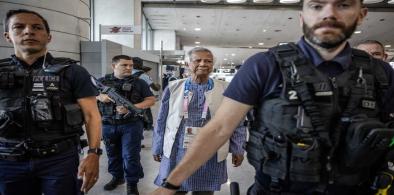
Bangladesh stands at a knife’s edge. Yunus’ Islamist-driven regime, cloaked in the language of reform, is orchestrating the most dangerous assault on the country’s security in decades. Its outcome will not remain confined to Dhaka. It will destabilize India, threaten the Gulf, embolden jihadists, and export terror into the West.
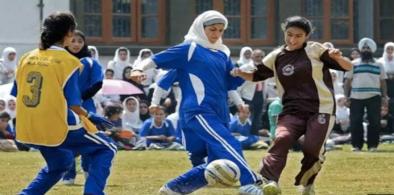
The popularity and the momentum of sports activities, especially the major sporting events, have played a significant role in healing the wounds of a region that has witnessed years of chaos and disturbance. Through the excitement of sports, the joy of victories, and the sense of unity they create, sports have become more than just games; they are a source of hope, resilience, and social inclusion.
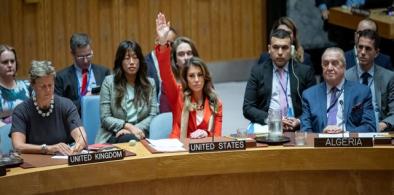
The war in Gaza demands a ceasefire. So does our war on nature. It demands Net Zero. IPCC has written the resolution for this ‘ceasefire’. This is not a metaphor. We are extracting, polluting, and emitting our way to collective suicide by adding fossil fuel on the spreading wildfire.