

A Year of Dissanayake Government: People Keeping Faith Despite Disappointments
It is not easy for a country faced with heavy debt payments to find resources to accelerate domestic growth, exports and infrastructure development. It has to carefully balance infrastructure priorities, social spending, and ongoing economic reforms. Next two years will be crucial for the government to at least complete the ongoing projects to fulfil major promises while taking up the remaining ones that were temporarily shelved for early implementation.
 Jan 24, 2026
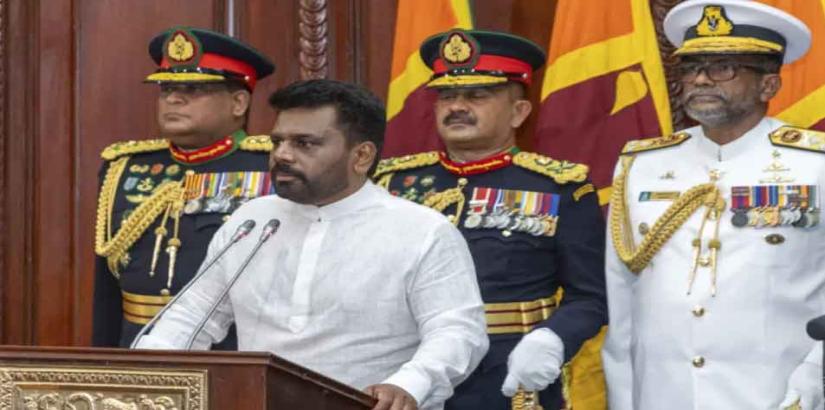
As Sri Lanka enters the second year of governance under President Anura Kumara Dissanayake’s administration, most critics claim that a significant number of high-profile promises remain unfulfilled, raising questions about its political credibility and accountability. Though it is not fair to conclusively analyse the achievements and failures of a 15-month old government as it has another 45 months to fulfill promises given to the masses at the September 2024 presidential election and November 2025 parliamentary elections, most people display a sense of wearying disappointment.
The only exception, perhaps, is the Tamil-majority north and east where the people continue to keep faith that the government would implement its manifesto promises. This columnist spoke to a cross section of Tamil people in Jaffna last week and found out that the majority view was positive about President Dissanayake, though some expressed concern over the delay in devolution to provinces and continuous deadlock over long-delayed Provincial Council elections.
Jaffna Station Master Shanmugam Aliraj said while the government had delivered on some commitments, a large share of its flagship promises were yet to materialise. He said a majority of railway workers and policemen were Tamils now. That’s a marked contrast from the three decades of conflict period in which Tamils youths refused to join government services.
The successes and positive outcomes attributed to the Dissanayake government are framed as governance, policy direction, and reform-orientation, rather than long-term outcomes, given the relatively short period in power. The government has significantly reduced public cynicism by projecting a leadership style marked by personal integrity, modesty, and accessibility, contrasting sharply with past arrogance and remoteness.
Hits And Misses
While scoring on the above areas there are some issues where the commitments remain stalled or ignored. One crucial promise yet undelivered is reforming draconian legislation, including repealing the Prevention of Terrorism Act (PTA), a long-standing pledge to bolster civil liberties. People expect early action from the government, which is headed by a former radical party that faced the brunt of excessive repression using the emergency regulations and PTA.
The government has not taken required steps to hold early Provincial Council elections to enhance transparency and democratic participation. So far no decision has been taken to bring a resolution in the parliament to pave the way for elections now delayed due to legal blocks.
High-impact constitutional reform, including abolishing the executive presidency and devolving power to provinces, has not been pursued in earnest, despite the government’s large parliamentary majority. Abolishing the executive presidency was a platform promise of several past presidents. But they changed their minds after coming to power and enjoying the enormous powers of the presidency system.
Northern political parties have repeatedly called for early provincial council elections. They also urged Indian External Affairs Minister Subramanyam Jaishanker to pressure the Sri Lanka government to hold early elections. “India has an obligation as a signatory to the Indo-Lanka Accord of 1987, under which the provincial councils were established,” Tamil National Alliance (TNA) activist Mayuran Pillai told this columnist.
Assistant Manager David Thambiah of popular Fox Resort in Jaffna said that the most intangible but important success is the renewed political engagement of youth, academics, and professionals, many of whom had disengaged or emigrated during previous regimes. He said the majority of employees are Tamil youths.
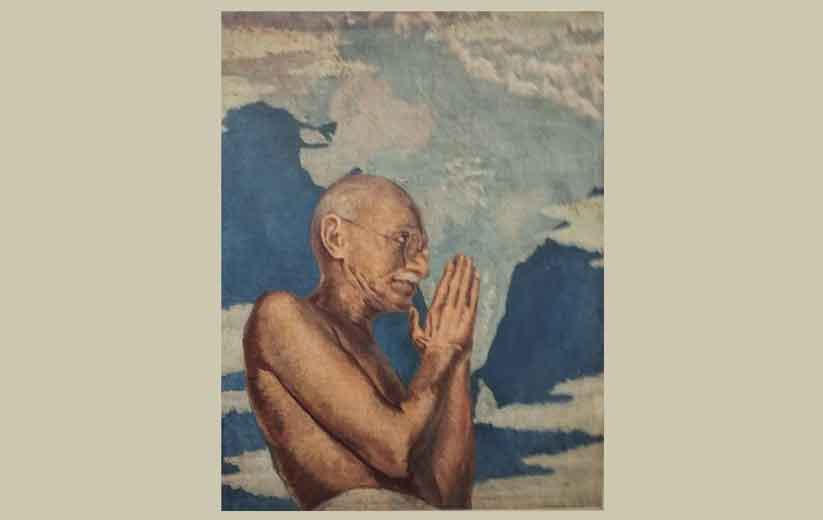
The palatial bungalow of the owner of Maharaja Group was used by Tamil militants during the occupation by the Liberation Tigers of Tamil Eelam (LTTE) has been turned to a holiday resort and it has two bunkers used by LTTE supremo Velupillai Prabhakaran and Intelligence Chief Pottu Amman. Fox Resort has converted them into an art gallery and, ironically, the most prominent of the art collection is a portrait of peace apostle Mahatma Gandhi done by David Painter in the 1940s.
Rhetoric And Reality
Civil society and opposition voices have been particularly vocal about this gap between rhetoric and delivery. Several commentators argue that the government’s failure to follow through on key reforms reflects a deepening divide between public expectation and political action.
Public opinion, especially among youth and civil society groups, reflects deepening frustration. Many Sri Lankans voted for sweeping change, with hopes of improved governance, economic stability, and transparency. But critics argue that incremental progress is no substitute for substantive reform.
A pledge-tracking tool maintained by Colombo-based Verité Research say, of the 30 major promises drawn from President Dissanayake’s 2024 election manifesto and tied into the 2026 budget framework, 10 promises (33 %) were fully completed, 10 (33 %) were in progress, 9 have shown no discernible progress, and 1 promise is classified as failed.
Next Two Years Crucial
A clear political signal has been sent that corruption will not be tolerated. The government has emphasized civilian-led policing and rule of law, avoiding heavy-handed security responses while maintaining public order.
Reduction of wasteful state expenditure by the government has been lauded by the people. Cuts to luxury perks, excessive vehicle fleets, foreign travel, and ceremonial spending have improved fiscal discipline and sent a message of shared sacrifice.
Merit-based public appointments with a marked shift toward professionalism and competence in appointments to state institutions, regulatory bodies, and state-owned enterprises (SOEs), reducing politicisation is another visible improvement.
It is not easy for a country faced with heavy debt payments to find resources to accelerate domestic growth, exports and infrastructure development. It has to carefully balance infrastructure priorities, social spending, and ongoing economic reforms. Next two years will be crucial for the government to at least complete the ongoing projects to fulfil major promises while taking up the remaining ones that were temporarily shelved for early implementation.
(The author, a former Sri Lankan diplomat, is a political and strategic affairs commentator. Views expressed are personal. He can be reached at sugeeswara@gmail.com.)







Post a Comment