

AI, Energy, Health, and Integrity: South Asia’s New Frontline Against Procurement Corruption
South Asia’s future depends on reliable infrastructure and trustworthy public services. Artificial intelligence—especially advanced technologies such as Graph Attention Networks—offers governments a powerful tool to reduce corruption in procurement, improve healthcare delivery, strengthen energy security and enhance public trust.
 Apr 25, 2026
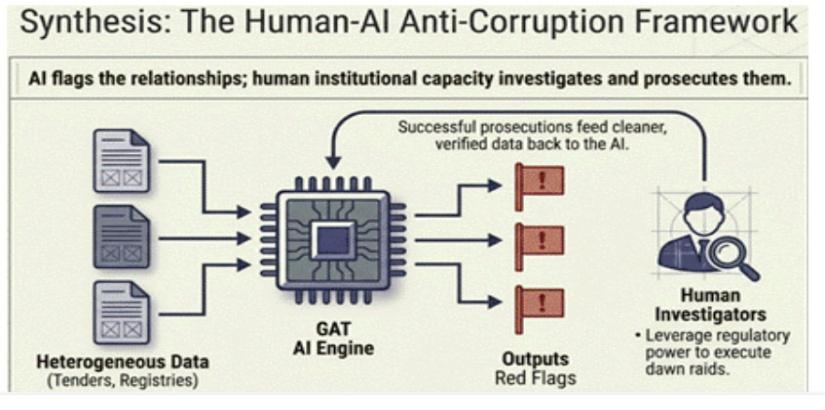
Artificial Intelligence (AI) is emerging as a critical, high-potential complement to traditional anti-corruption efforts, particularly within the domain of public procurement—a sector representing an estimated $10 trillion in annual global spending (10% to 25% of global GDP). Current research and policy analysis indicate that AI acts most effectively as an "augmenting" force rather than a replacement for human oversight.
Energy and Health Procurement
Energy and healthcare procurement are deeply interconnected. Hospitals rely on reliable electricity, fuel supply, and medical equipment procurement to deliver essential services. When procurement systems fail, the consequences are immediate and visible—power outages in hospitals, shortages of medicines, and delays in emergency response. Common risks across both sectors include:
- Overpriced medical equipment or pharmaceuticals
- Delayed delivery of essential medicines
- Non-transparent supplier selection
- Emergency procurement without oversight
In South Asia, public spending on health and energy infrastructure has grown significantly over the past decade, making procurement transparency a national priority.
Energy procurement is the backbone of economic stability in South Asia. Governments spend billions each year on power plant construction, fuel imports, grid infrastructure and renewable energy projects. However, the sector is also highly vulnerable to corruption and bias due to large contract values and emergency procurement decisions.
Typical risks include:
- Bid rigging and collusion among suppliers
- Inflated fuel prices
- Political favouritism in contract awards
- Delayed or incomplete infrastructure projects
These risks directly affect electricity prices, national budgets, and public trust.
Graph Attention Networks (GAT)
The most technically significant innovation in the team's toolkit is Deep Graph Learning — specifically, the Graph Attention Network (GAT). Unlike conventional rule-based fraud detection that scrutinises individual transactions in isolation, GAT maps the entire ecosystem of procurement relationships: suppliers, government agencies, hospitals, energy providers, contract officers, and payment flows.
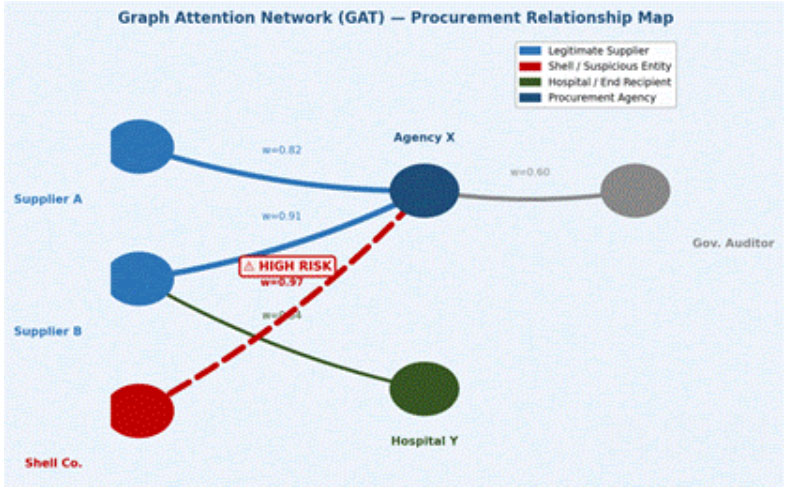
Figure 1: Simplified GAT graph showing attention weights between suppliers and procurement agencies. A cluster of high-weight edges to a single agency — including a shell company — triggers an automated corruption alert.
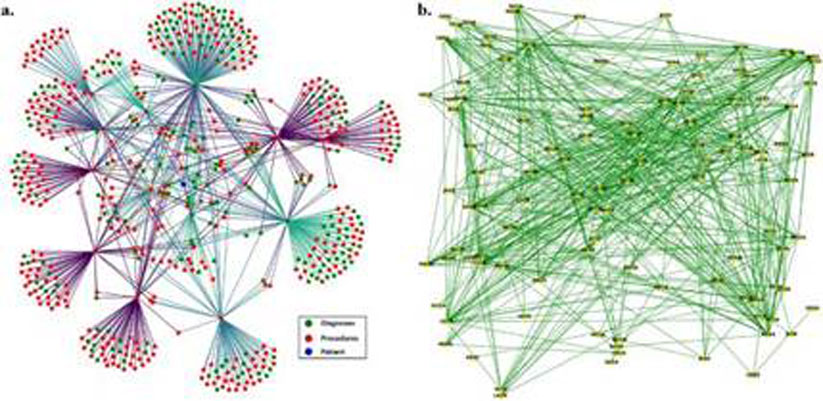
Figure 2: Deep Graph Learning and GAT: Detecting Hidden Networks in Health and Energy
GAT's attention mechanism assigns a learned weight to every edge (relationship) in the graph, allowing the model to focus on the most suspicious connections. A pharmaceutical company winning 80% of hospital contracts across three districts, all linked to a single procurement officer, generates a network signature that GAT detects within seconds — a pattern invisible to line-by-line auditors.
A breakthrough technology transforming procurement oversight is Deep Graph Learning, particularly the Graph Attention Network (GAT). Traditional systems analyse transactions individually. Graph-based AI examines relationships across entire procurement networks—suppliers, hospitals, energy providers, and government agencies.
Why GAT Matters for Health Procurement
In the healthcare sector, corruption or bias often appears in subtle forms:
- Repeated contracts awarded to the same pharmaceutical supplier
- Multiple companies linked to a single owner
- Sudden price spikes for essential medicines
- Fake or duplicate suppliers
Graph Attention Networks can identify these patterns by mapping connections between suppliers, contracts, and payment records. The system assigns attention weights to relationships, highlighting unusual behaviour and enabling early intervention.
This approach is particularly valuable in detecting:
- Counterfeit medicine supply chains
- Collusion in hospital equipment procurement
- Fraudulent insurance or billing networks
- Irregular vaccine or drug distribution
Protecting Lives Through Transparent Systems
Healthcare procurement is not just about cost efficiency—it is about patient safety. In many countries, procurement failures have led to:
- Shortages of life-saving medicines
- Delays in hospital construction
- Distribution of counterfeit drugs
- Increased healthcare costs
Artificial intelligence can address these risks through:
1. Medicine Supply Chain Monitoring-AI tracks pharmaceutical deliveries from manufacturers to hospitals using blockchain technology.
2. Equipment Procurement Verification-Systems validate supplier credentials and product quality.
3. Demand Forecasting-Machine learning predicts medicine and equipment demand based on historical data.
4. Cold Chain Monitoring-AI sensors monitor temperature-sensitive vaccines and medicines in real time.
These capabilities strengthen healthcare resilience and improve patient outcomes.
Health, Energy, and Infrastructure Reform
Governments across South Asia are investing heavily in health and energy infrastructure.
· Expanding digital health systems and hospital infrastructure
· Modernizing procurement processes for medical equipment and pharmaceuticals
· Improving rural healthcare access and vaccine distribution
· Strengthening procurement oversight for public hospitals
· Reforming health and energy procurement following economic challenges
· Introducing digital monitoring systems for public sector spending
These reforms reflect a regional shift toward technology-driven governance and accountability.
Garment Sector Procurement Integrity
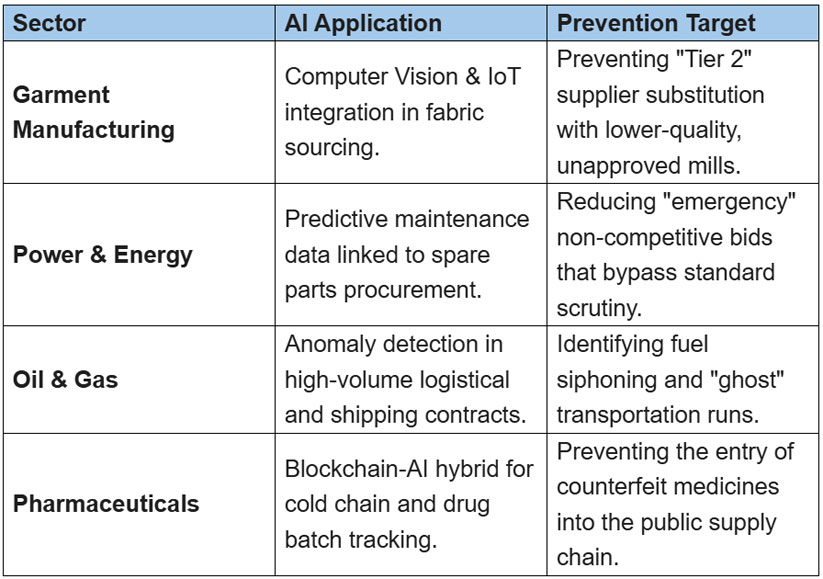
The garment industry—one of South Asia’s largest employers—relies heavily on stable energy supply procurement inefficiencies in electricity or fuel can lead to Production delays, Increased manufacturing costs, export losses and Job instability.AI-driven procurement systems can help garment manufacturers and governments optimize energy purchasing, monitor supplier performance, detect irregular fuel deliveries and reduce operational costs. This connection between energy procurement and manufacturing competitiveness is becoming increasingly important in global trade.AI-driven procurement systems can help organizations ensure fair supplier selection, reliable energy supply, and safe working conditions.
Sector-Specific Applications
A Practical Roadmap for Governments
Experts recommend a phased implementation strategy for integrating AI into procurement systems across energy and healthcare sectors:
Phase 1 — Digitization-Convert procurement records into standardized digital formats.
Phase 2 — Data Integration-Link procurement, finance, energy, and health databases.
Phase 3 — AI Monitoring-Deploy machine learning models to detect anomalies and corruption risks.
Phase 4 — Governance and Oversight-Establish transparent policies and human review mechanisms.
Why This Matters Now
South Asia’s future depends on reliable infrastructure and trustworthy public services. Artificial intelligence—especially advanced technologies such as Graph Attention Networks—offers governments a powerful tool to reduce corruption in procurement, improve healthcare delivery, strengthen energy security and enhance public trust. For countries investing heavily in hospitals, medicines, and energy systems, adopting AI-driven procurement oversight is not just a technological upgrade.
Explainable AI, and machine learning anomaly detection are not experimental luxuries — they are proven, deployable tools that can protect billions of dollars of public investment from corruption today. For policymakers in Colombo, the question is no longer whether to adopt AI in procurement. It is whether they can afford not to.
It is a national resilience strategy.
At the forefront of South Asia regional transformation is Dr Nalinda Somasiri, Associate Professor in Generative AI and Machine Learning and leader of the AI for Climate & Disaster Resilience Research Group (AICDRG) at York St John University, UK. Working alongside him is a multidisciplinary team of researchers from York St John University, UK addressing procurement integrity across critical sectors:
Dr Soonleh Ling – Applied AI and intelligent systems
Dr Amjad Alam – Software engineering and AI platforms
Swathi Ganesan – Data governance and analytics
Sangita Pokhrel – Digital infrastructure and transformation
Dr Rashmi Siddalingappa – AI decision intelligence
Together, they are building AI-driven systems to strengthen procurement transparency across energy, health, and manufacturing sectors in South Asia, particularly in energy, health, and manufacturing sectors. Their work focuses on applying artificial intelligence to real-world national challenges such as fuel shortages, disaster response, and public infrastructure management.
(The author is a Associate Professor in Generative AI and Machine Learning and leader of the AI for Climate & Disaster Resilience Research Group (AICDRG) at York St John University. Views expressed are personal)






Post a Comment