The progress of the Montreal Protocol till now is, however, not without hiccups and bumps


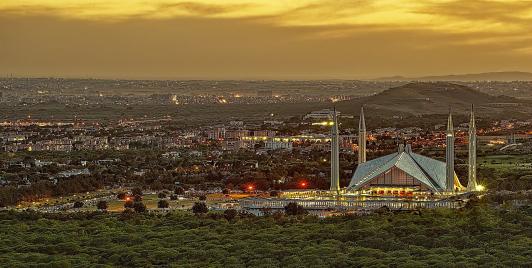
This raises the issue not whether Islamabad has surpassed its outmoded and fragmented administrative structure but whether governance would keep pace with its growth. Islamabad has to evolve from being administered as a capital city into being governed as a metropolis.

The inhabitants of Manipur have had long-standing experiences of living insecurely in their own homeland, even as migrants from the Northeast have encountered prejudice in metropolitan India....India has produced a paradox where communities that belong formally to India can also face exclusion from the social mainstream.
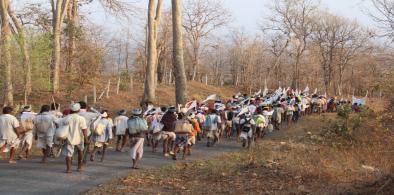
Before asking how quickly a project can be implemented, policymakers should ask whether it can be redesigned to reduce displacement. Before acquiring new land, can existing degraded land be used? Can infrastructure be built around communities rather than communities being moved around infrastructure?

Identity and financial crimes that occur across India's borders never begin with anything overtly fraudulent. They generally begin with a small breach in routine authentication processes. Biometrics, forensic document examination, and audit trails can each
The progress of the Montreal Protocol till now is, however, not without hiccups and bumps

Both these carriers, which are floating cities with massive flying and firepower, still do not adequately fulfill India’s maritime force requirement. With two vast seaboards and the Indian Ocean region and two rogue adversarial nations, the considered assessment by old-salt veterans is that even three aircraft carriers, meaning two on the sea and one in refit, are not enough
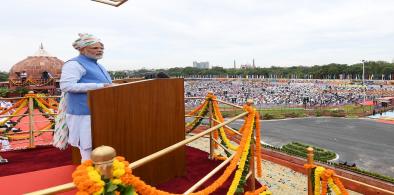
The other pillars of democracy, the judiciary and media, must remain steadfastly independent and impartial guardians of the Constitution. The people still repose their greatest faith in them to protect their rights and uphold their aspirations

Thus, more than one third of the world’s hungry and undernourished people are in India, which is alarming and embarrassing, if not shameful. India’s rank in the global hunger index also (GHI) has dropped to 101 out of 116 countries
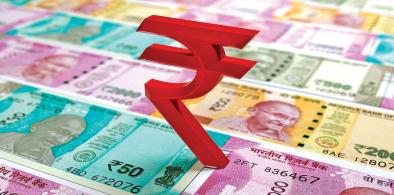
Days are ahead when the rupee will tend to become fully convertible. Full convertibility means fully capital account convertibility in the balance of payment. It opens the market for foreign investors, businessmen and trade partners
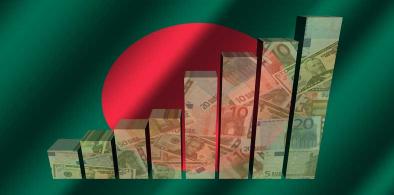
Bangladesh is going through a tough economic situation; the government’s two largest sources of foreign currency revenues are the export of readymade garment products and remittances from overseas. Remittances are already suffering
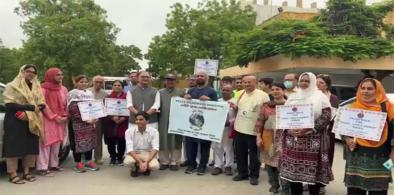
This is part of a long tradition of celebrating the two countries’ independence days together, started by activists like the late Dr Mubashir Hasan, Nirmala Deshpande, Asma Jahangir, Kuldip Nayar, and others. Peace groups on either side have been doing this for a couple of decades now, even as administrations in both countries try to prevent them

The basis of all Indian philosophy is the recognition of divinity in the human species and giving respect to all faiths and shades of opinion
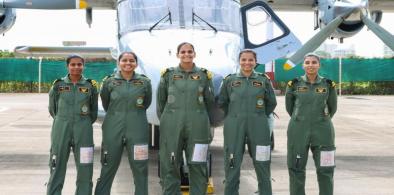
Over the years, women officers in the Indian armed forces have begun notching various types of achievements
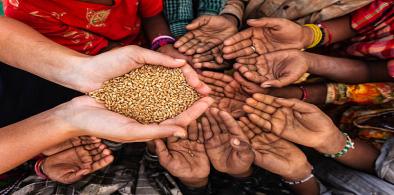
It must be understood that welfare spending is essential to partly redress the widening inequality in Indian society

Release prisoners on completion of jail term, decriminalise inadvertent border crossings, especially for fisherfolk and minors
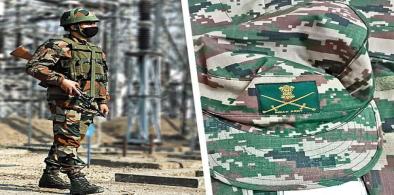
Uncontrolled proliferation of the existing combat uniform has led to many cases of breach of security of military establishments and personnel and, while it has been a cause of concern, not enough action has been initiated
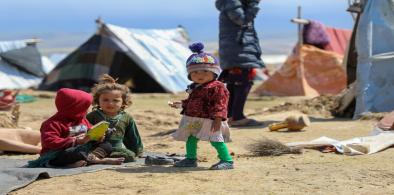
The country is already one of the worst places in the world to be a child, And, in the past year, the situation has become grimmer because of crippling poverty, violence, and drought, according to UNICEF.
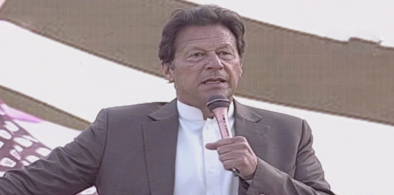
His remarks came days after some media reports indicated that the Pakistan Army could try to facilitate a dialogue or deal between Khan and the ruling coalition to create a consensus on early elections, which remains Khan's primary demand, writes Shraddha Nand Bhatnagar for South Asia Monitor
The decision to oust Imran Khan ultimately allowed him to hijack the anti-establishment tag in his favour. Khan’s repeated reference to the government as the “imported government” and to the military as “neutrals” further reinforced his perception as a popular civilian leader