An increase in support of free food means cutting back on maybe health, education, infrastructure, military or pension benefits. The government cannot escape these difficult fiscal tradeoffs.


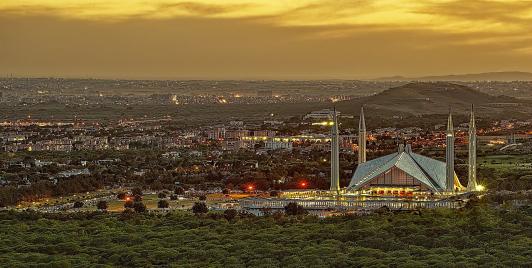
This raises the issue not whether Islamabad has surpassed its outmoded and fragmented administrative structure but whether governance would keep pace with its growth. Islamabad has to evolve from being administered as a capital city into being governed as a metropolis.

The inhabitants of Manipur have had long-standing experiences of living insecurely in their own homeland, even as migrants from the Northeast have encountered prejudice in metropolitan India....India has produced a paradox where communities that belong formally to India can also face exclusion from the social mainstream.
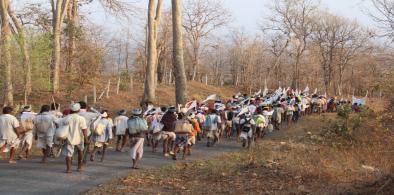
Before asking how quickly a project can be implemented, policymakers should ask whether it can be redesigned to reduce displacement. Before acquiring new land, can existing degraded land be used? Can infrastructure be built around communities rather than communities being moved around infrastructure?

Identity and financial crimes that occur across India's borders never begin with anything overtly fraudulent. They generally begin with a small breach in routine authentication processes. Biometrics, forensic document examination, and audit trails can each
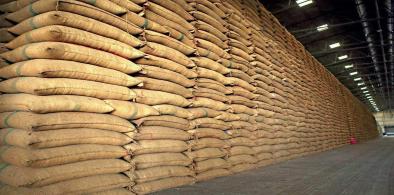
An increase in support of free food means cutting back on maybe health, education, infrastructure, military or pension benefits. The government cannot escape these difficult fiscal tradeoffs.
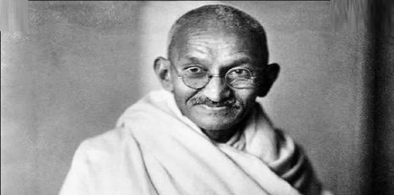
Thus the mantra of development should be spirituality with high technology. Both these things allow us to reduce our greed for resources and live in harmony with nature – something that Gandhi preached intuitively all his life.
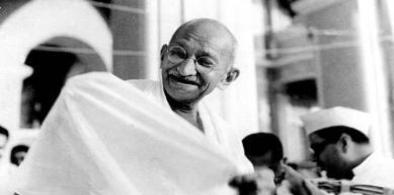
But for Gandhi, India's political destiny would have been vastly different and her moral stature vastly inferior.
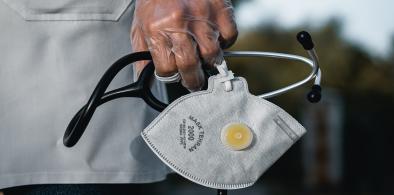
Clearer commitments and standards on access and quality, making oversight and redressal mechanisms more participatory, and allocating adequate financial resources alone would make the right to healthcare to all citizens a reality.
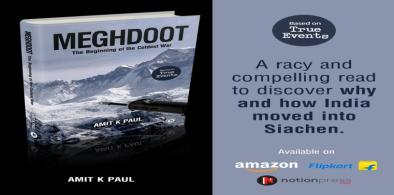
The book is a must-read for all policymakers, diplomats, academics and civil and military personnel who have an interest in Siachen.
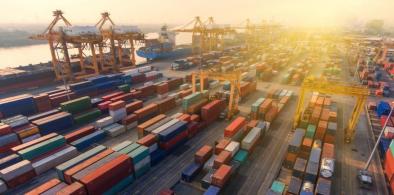
In a world slowing down due to a recession, even if our share of trade goes up from 3 to 4 per cent, that would be a huge boost for the Indian economy. And that is eminently feasible only if we are less afraid of open and free trade.
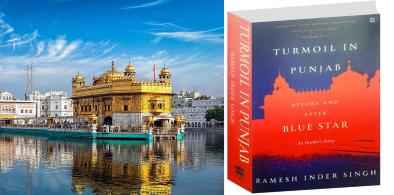
The book, in many ways, is the last word on the tragic and defining years of Punjab’s turmoil that took a large number of lives.

There are currently 41 ships and submarines under construction, 39 are being built in Indian shipyards, while in-principle approval is there from the Defence Ministry for 47 ships to be built in India.
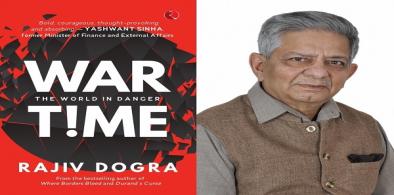
The author’s prognosis of a major contestation in the not-so-distant future is situated in the South China Sea. The compelling logic portends China’s proclivity to fight one or possibly two major wars before 2035, either with Taiwan or India before the major US-China war.

Riding the global strategic shift in manufacturing, India is on the cusp of attractive large-scale domestic and foreign investors by incentivizing supply chain manufacturing

It would be appropriate to design a comprehensive plan for India to create 10,000 unicorns in the next 25 years and with a few hundred becoming decacorns - enterprises with a valuation of over $10 billion. These enterprises alone could add over $12 trillion to India’s GDP.
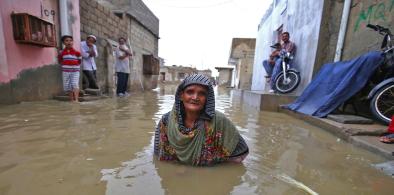
It is important to note that India has sufficient food stocks to be able to help the affected people in flood-ridden Pakistan. There is an urgent need to ease border restrictions at least to the levels of 2009 to provide easy access to food and relief materials
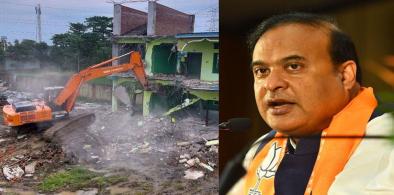
While the Assam government must sustain its present moves against radicalisation, New Delhi must be firm in ensuring that insidious attempts/activities by anti-Indian elements/groups are neutralised effectively in the Northeast, Jammu and Kashmir and some other states
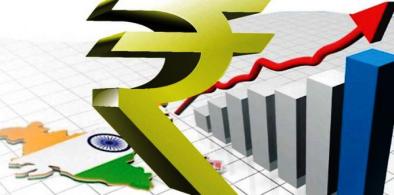
So, the assessment for the fifth largest economy is that this is a slowing phase, as growth drivers need to pick up along with investor sentiment
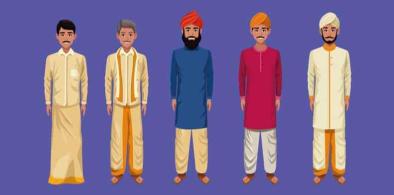
Efforts should be made to translate the literary heritage of each state and union territory into each of the national languages of India. This will create a whole new education, employment and business ecosystem in the publishing and media industries, sensitising each Indian to the national and civilisational heritage they inherited and building a sense of unity and common purpose.