The United Nations will provide continuous support to Bangladesh on the Rohingya issue, said United Nations Resident Coordinator Mia Seppo on Tuesday during her meeting with Prime Minister Sheikh Hasina



South Asia’s climate risks are shared across countries. Rivers such as the Ganga, Brahmaputra and Indus do not respect national boundaries, and torrential rains in one country can lead to floods in another. Satellite data, flood forecasts and flood warnings could, therefore, be shared to enhance disaster preparedness across the region.
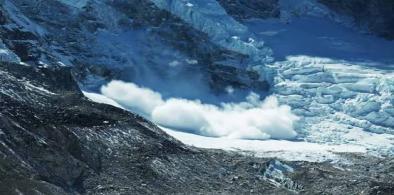
The disasters at Kedarnath and Nepal should therefore be read not simply as tragedies of the past or isolated episodes of extreme weather. They are warnings from a changing mountain system. The question before South Asia is whether we will continue to respond to each disaster after it occurs, or whether we will listen to what the mountains are telling us beforehand.
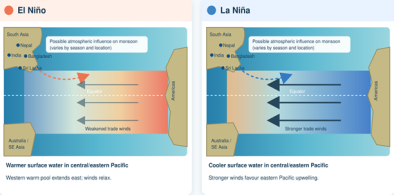
AI may genuinely extend the horizon over which seasonal climate risk can be estimated. For communities across South Asia living under the influence of the monsoon, a longer view could mean the difference between a farmer adjusting her planting in time and a family receiving a flood warning too late to act.
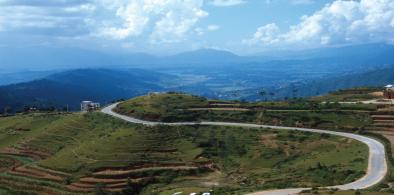
The broader lesson for South Asia is equally important. Hilly regions cannot be developed simply by transferring lowland infrastructure models into mountainous terrain. Investment has to respond to local economic systems, geography and environmental risks.
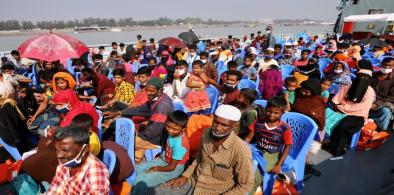
The United Nations will provide continuous support to Bangladesh on the Rohingya issue, said United Nations Resident Coordinator Mia Seppo on Tuesday during her meeting with Prime Minister Sheikh Hasina
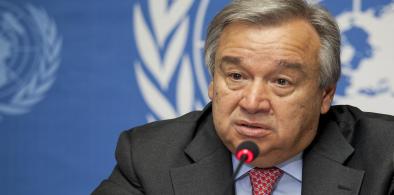
United Nations Secretary-General Antonio Guterres views completely banning citizens of certain countries from travel as a form of “collective punishment” and nations should instead use scientific methods to prevent the spread of the Omicron variant of COVID-19, according to his Spokesperson Stephane Dujarric
India on Friday pushed strongly for reformed multilateralism, saying reform of the United Nations is being blocked using a smokescreen of consensus and thereby denying the international community of its democratic rights

Officials from the UN Human Rights Council (UNHRC) will visit Sri Lanka in January next year, Foreign Minister G.L Peiris informed parliament

United Nations in Afghanistan has urged everyone to take concrete actions to end violence against women on the occasion of the International Day for the Elimination of Violence against Women (EVAW)

The United Nations General Assembly (UNGA) has adopted the resolution for the graduation of Bangladesh and Nepal in South Asia from the Least Developed Country (LDC) category
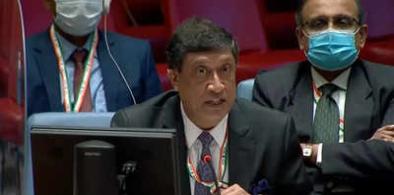
At an open debate at UN Security Council, India committed to implementing its international obligations regarding illicit trade in small arms

Urgent actions are required to prop up Afghanistan’s banks, a United Nations agency said, warning that a spike in loan defaults, lower deposits, and a cash liquidity crunch could cause the financial system to collapse within months
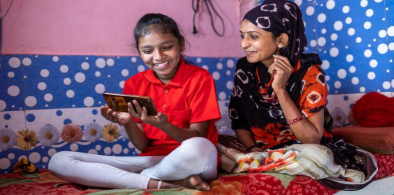
UNICEF Afghanistan on Saturday closed its digital channels and went dark to reflect the challenges that Afghan children have been facing, said the UN body, adding the United Nations Children Fund will not celebrate the World Children’s Day in the Taliban-captured South-Asian nation this year
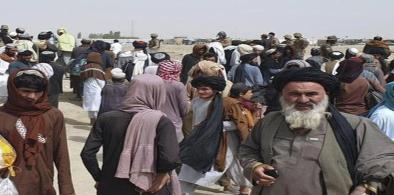
People in Afghanistan. victims of decades of civil strife, food shortages and economic collapse, may become victims of extreme poverty by mid-2022, the International Organisation for Migration- UN Migration (IOM) said in a statement

Bangladesh has praised the United Nations which recently passed a unanimous resolution on the situation of Rohingya and other minorities in Myanmar, saying the move will have a "political" impact and "pressure" the Myanmar authority to take corrective measures
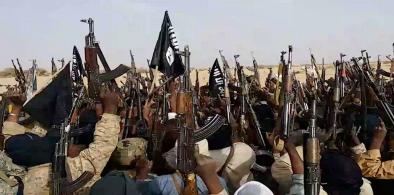
The Islamic State-Khorasan terrorist group (ISKP) is now expanding to nearly all Afghan provinces, with the Taliban - under UN sanctions for terrorism - being unable to stop it, UN Special Representative for Afghanistan Deborah Lyons said on Wednesday
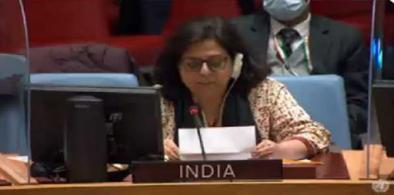
India on Tuesday slammed Pakistan for its “false and malicious propaganda” against it by using the UN platform and said any meaningful dialogue with Islamabad can take place only in an atmosphere free of terror, hostility and violence

Ahead of a United Nations Security Council session on Afghanistan on Wednesday, Taliban spokesperson Suhail Shaheen, who has been nominated by the Islamic Emirate as its envoy for the UN, renewed a call for the United Nations seat for the current Kabul regime

The United Nations High Commissioner for Refugees (UNHCR) plans to deliver additional humanitarian assistance for Afghanistan to storage facilities in the Uzbek city of Termez by the end of November, a UNHCR spokesperson told Sputnik on Tuesday